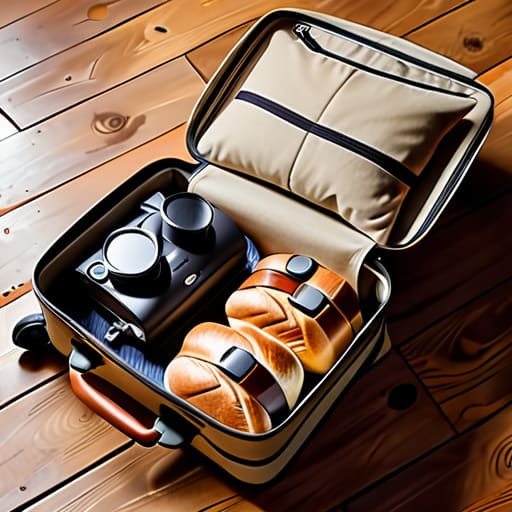
I still remember standing on a humid, salt-sprayed pier in Essaouira, Morocco, clutching a bulging duffel that felt like it was about to split at the seams. I had spent the afternoon haggling for star anise and dried rosebuds, and my bag was already screaming for mercy. It was a frantic, sweaty lesson in why most “expert” advice on how to pack a carry on bag is absolute nonsense—usually written by people who spend more time in airport lounges than in the narrow, spice-scented alleys of a bustling medina. If you follow the standard checklists, you’ll end up with a heavy, disorganized mess that leaves zero room for the real treasures you find along the way.
I’m not here to sell you on expensive, high-tech gadgets or complicated folding systems that take twenty minutes to execute. Instead, I want to share the battle-tested methods I’ve used over a decade of chasing flavors across six continents. I’ll show you how to prioritize your gear so you can stay light on your feet, ensuring you have just enough space left for those unexpected culinary finds that actually make a trip worth taking.
Mastering Space Saving Packing Hacks for Long Journeys
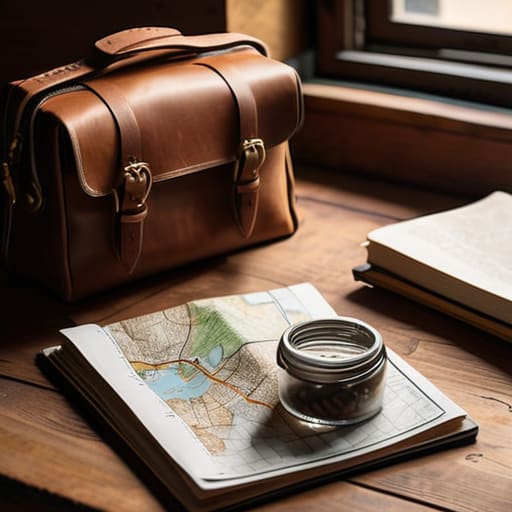
Now, if you’re anything like me, your bag isn’t just filled with clothes; it’s a treasure chest of curiosities, from a small jar of star anise to a weathered notebook for sketching street scenes. But even the most seasoned traveler can hit a snag when navigating the local landscape, especially when you’re trying to find your footing in a new destination. I always tell my readers that doing your homework before you touch down is half the battle. For instance, if your journey takes you through more specific, niche corners of the globe, like looking for unique local insights or specific community connections in places like cairns shemales, having a reliable roadmap of what to expect can save you from that dreaded first-day disorientation. It’s all about arriving with your eyes wide open and your spirit ready for the unexpected.
I remember sitting in a cramped, humid night market in Hanoi, my single backpack leaning against a wooden post while I tucked into a bowl of steaming pho. I realized then that my biggest enemy wasn’t the heat or the chaos, but my own heavy luggage. To truly move through the world like a local, you have to embrace minimalist travel packing tips. I’ve learned that the secret isn’t just about taking less; it’s about how you treat what you do take.
When it comes to the great debate of rolling vs folding clothes, I’m firmly on Team Roll. It’s not just about saving room; it’s about preventing those deep, stubborn wrinkles that make you look like you slept in your suitcase. For the real pros, I swear by packing cubes for travel. They act like little modular compartments for your life, keeping your clean linen shirts separate from your rugged hiking socks. If you treat your bag like a carefully curated spice rack—everything has its place and nothing is wasted—you’ll find you have just enough room left for that hand-woven textile or that small jar of saffron you discovered in a hidden alleyway.
Navigating Airline Carry on Size Restrictions Like a Pro
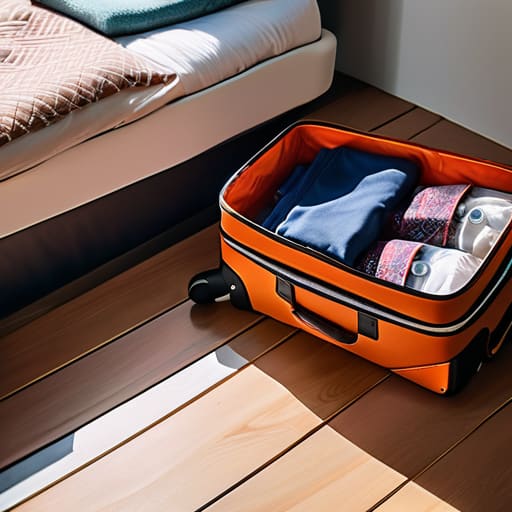
I’ve lost count of how many times I’ve stood at a boarding gate in Bangkok or Lisbon, watching a gate agent eye my luggage with that dreaded, skeptical squint. There is nothing quite as soul-crushing as having a bag of hand-ground turmeric and precious local textiles rejected because you misjudged the dimensions by an inch. To avoid that heartbreak, you have to treat airline carry on size restrictions like the local customs of a new city: respect them, study them, and never walk in blind. Every carrier plays by a slightly different set of rules, so I always keep a digital copy of the specific dimensions on my phone.
The real secret to staying under the radar isn’t just about the size of the bag, but how much “visual bulk” it gives off. If your suitcase looks like it’s bursting at the seams, you’re inviting scrutiny. I’ve learned that using packing cubes for travel is a game-changer here; they compress your gear into neat, manageable blocks that prevent that awkward, lumpy silhouette. By keeping the exterior smooth and the volume controlled, you can glide past the agents and head straight toward the street food stalls instead of the lost and found.
The Traveler’s Toolkit: 5 Rules for Packing Light and Living Large
- Embrace the “Uniform” Strategy: When I was shooting a series on the night markets of Taipei, I realized I didn’t need ten shirts; I needed three that actually worked. Pick a color palette—neutrals are your best friend—so every top pairs with every bottom. It’s about creating a modular wardrobe that lets you look sharp without the bulk.
- Invest in Compression Cubes, Not Just Bags: Think of these like a well-organized spice rack. Instead of letting your clothes float around in a chaotic mess, use compression cubes to squeeze the air out of your layers. It turns a mountain of laundry into neat, stackable bricks, leaving you precious inches for that hand-woven textile you found in Marrakesh.
- The “Heavy on the Body” Rule: Never waste precious suitcase real estate on your bulkiest items. If you’re heading somewhere chilly, wear your heavy denim jacket and your sturdiest boots on the plane. It feels a bit ridiculous in the terminal, but trust me, the extra room in your bag for local finds is worth every bit of the extra weight on your shoulders.
- Master the Art of the Roll: Forget folding; it’s a relic of the past that creates unnecessary wrinkles and wasted gaps. I learned this from a street photographer in Hanoi—roll your clothes tight and snug. It’s much more efficient, it keeps things from shifting during turbulence, and it lets you see exactly what you have at a glance.
- Dedicate a “Flavor Zone”: Always leave about 15% of your carry-on empty. I call this my “souvenir buffer.” You never know when you’ll encounter a vendor selling incredible local peppercorns, a small ceramic bowl, or a tin of rare tea. If you pack to the absolute brim, you’re essentially telling the world you aren’t open to new discoveries.
The Final Ingredient for Your Next Adventure
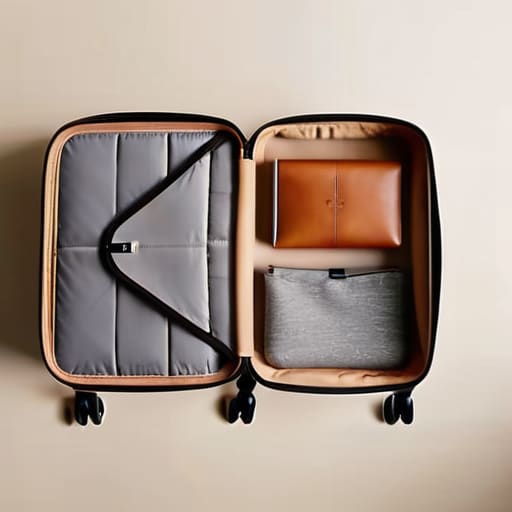
At the end of the day, mastering the art of the carry-on isn’t just about avoiding those dreaded checked-bag fees or playing a game of Tetris with your wardrobe. It’s about the strategic precision of knowing exactly what you need and what you don’t. By utilizing those space-saving hacks, staying disciplined with your organization, and respecting the rigid dimensions of the airline’s overhead bin, you are essentially clearing the path for a smoother journey. When you move through an airport with nothing but a well-packed bag, you aren’t just traveling light; you are traveling with intention, ensuring that your focus stays on the destination rather than the logistics.
I’ve sat on countless rickety plastic stools from Hanoi to Mexico City, and I can tell you this: the best stories never happen while you’re waiting at a luggage carousel. They happen the moment you step off the plane, nimble and ready to chase the scent of sizzling garlic or toasted cumin down a narrow alleyway. Don’t let a heavy suitcase anchor you to the tourist hubs. Pack smart, pack light, and leave enough room in your heart—and maybe a little extra space in that bag—for the unexpected flavors and fleeting moments that make travel the ultimate education. Now, go find your next great meal.