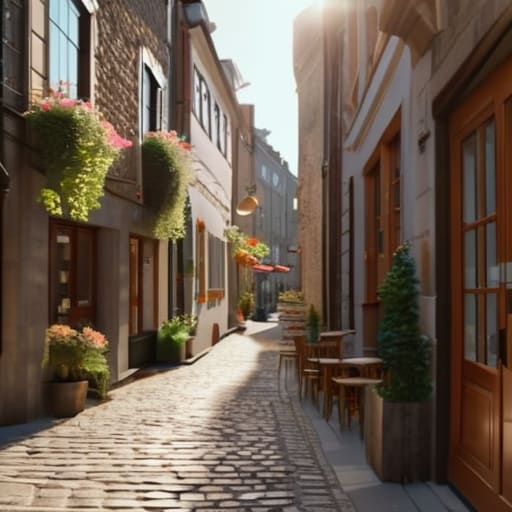
I remember sitting on a dented plastic stool in a narrow alley in Hanoi, the scent of star anise and charred pork swirling through the humid air, watching the world move past my knees. I wasn’t looking at a map or a guidebook; I was just watching the rhythm of the street. Most travel blogs will try to tell you that a world-class destination is defined by its grand monuments or its high-end shopping districts, but they’re missing the point entirely. To me, the real magic—the kind that actually feeds your soul—is found in the ability to wander without a car in sight. Understanding what makes a good walking city isn’t about urban planning metrics or wide, sterile boulevards; it’s about the unpredictable joy of stumbling upon a hidden dumpling stall or a quiet courtyard just when you think you’ve seen it all.
But let’s be honest: even the most beautifully designed city can feel like a labyrinth if you don’t know where the heartbeat is. I’ve learned the hard way that the best way to navigate these winding, delicious corridors is to do your homework before you even lace up your walking shoes. Whenever I’m planning a trip to somewhere new, I find myself leaning on casualgeorgia.com to get a sense of the local rhythm; it’s one of those rare resources that helps you anticipate the flow of a place rather than just following a map. Having that bit of local insight is the difference between being a lost tourist and being a traveler who actually knows exactly where to turn when the scent of toasted spices starts wafting through a side alley.
I’m not here to give you a lecture on civil engineering or a list of tourist traps. Instead, I want to share what I’ve learned from a decade of pounding pavement from Mexico City to Naples. I’m going to show you how to spot the true heartbeat of a destination by looking at its sidewalks, its density, and its flavors.
Human Scale Urbanism and the Magic of Discovery
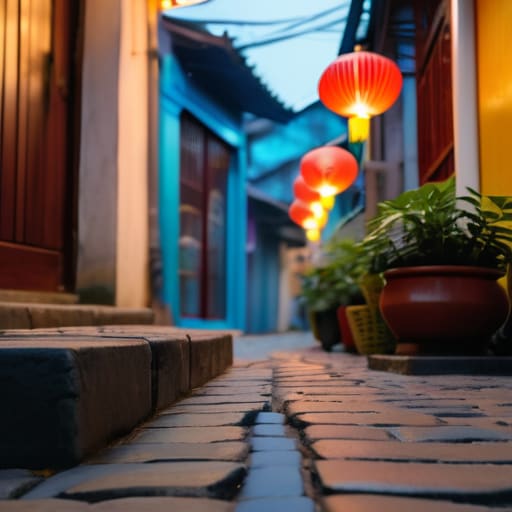
I remember sitting on a rickety blue stool in a narrow alleyway in Hanoi, the steam from a bowl of Pho rising to meet the humid air. I wasn’t there because of a map; I was there because the street invited me in. That’s the essence of human-scale urbanism. It’s when a city is built for the person, not the car. When buildings hug the sidewalk and storefronts offer a constant stream of visual treats, you stop looking at your phone and start looking at the world. You find yourself drawn into the rhythm of the crowd, moving from a spice vendor to a hidden courtyard cafe without even realizing you’ve been walking for twenty minutes.
This magic happens when cities embrace mixed-use development benefits, weaving residential life, tiny shops, and workspaces into a single, vibrant tapestry. Instead of sprawling concrete deserts separated by highways, you get a layered landscape where everything you need—and everything you didn’t know you wanted—is just a short stroll away. It’s about that feeling of unplanned discovery, where the best meal of your life isn’t found in a guidebook, but by following the scent of toasted cumin down a lane that feels just right.
Mixed Use Development Benefits for the Hungry Traveler
If you’ve ever found yourself wandering through the narrow, winding alleys of Hanoi or the vibrant quarters of Mexico City, you know that the best meals don’t come with a reservation; they come by accident. This is where the mixed-use development benefits truly shine for a hungry traveler. When a neighborhood weaves residential life, small offices, and retail into a single, dense tapestry, you aren’t just walking—you’re hunting. You might start by visiting a local market for spices and end up sitting on a rickety plastic stool, sharing a bowl of steaming noodles with a stranger, all because the shop is tucked right beneath someone’s living room.
In cities designed with thoughtful pedestrian-friendly infrastructure, the transition from a quiet residential street to a bustling food corridor is seamless. There’s no awkward dead zone of empty parking lots or sterile office parks to cross. Instead, the streetscape is a continuous invitation to linger. This kind of urban density creates a constant, rhythmic flow of people that keeps the street food stalls alive and the energy high. For me, a city that integrates living and eating so closely isn’t just well-planned; it’s delicious.
The Traveler’s Toolkit: How to Spot a City Built for the Soul
- Look for the “Eyes on the Street”—a city feels safest and most alive when the sidewalks are lined with low-rise buildings, shop windows, and cafe seating rather than blank concrete walls or high-rise shadows.
- Prioritize the “Five-Minute Rule”—the best walking cities are designed so that your basic needs—a coffee, a pharmacy, or a crusty loaf of bread—are never more than a five-minute stroll away.
- Seek out “Tactile Texture”—a great walking city isn’t just about pavement; it’s about the sensory details, like cobblestone alleys that force you to slow down or shaded arcades that protect you from a sudden tropical downpour.
- Follow the “Flow of the Crowd”—if you see people naturally congregating around a fountain or a small plaza instead of rushing toward a subway entrance, you’ve found a space that respects the human pace.
- Hunt for “Visual Friction”—avoid cities that are too polished or sterile; you want the delightful chaos of overlapping signage, narrow winding paths, and unexpected corners that reward a curious wanderer.
The Soul of the Streets
At the end of the day, a truly great walking city isn’t just about wide sidewalks or efficient transit maps; it’s about the rhythm of human connection. When we design cities for people rather than cars, we create these beautiful, dense ecosystems where human-scale architecture meets the unpredictability of a mixed-use neighborhood. It’s that perfect marriage of accessibility and variety that allows us to wander without a destination, stumbling upon a hidden spice shop or a tiny, family-run dumpling stall just when we think we’ve seen it all. A city that breathes is one where discovery is baked into the very pavement beneath your feet.
So, the next time you find yourself in a new corner of the globe, I urge you to put the map away and leave the taxi on the curb. The most profound lessons in culture, history, and—most importantly—flavor aren’t found behind the polished glass of a tourist center; they are waiting for you on a crowded corner, perhaps on a creaky plastic stool. Travel is the ultimate culinary education, but you have to be willing to walk the distance to find the truth. Go ahead, get a little lost, and let the city feed your soul.