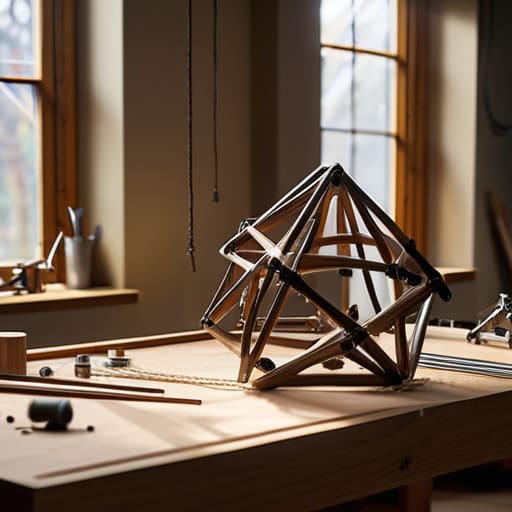
I was hunched over my workbench last Tuesday, surrounded by half-finished cedar shelves and the sharp, clean scent of sawdust, when I realized something ridiculous. I was staring at a pile of discarded dowels and high-tension fishing line, trying to make sense of a textbook that made Structural Tensegrity Assembly Logic sound like some kind of arcane, PhD-level sorcery. Honestly, it drives me up the wall how these academic manuals treat physics like it’s a secret club you need a million-dollar lab to join. They wrap everything in this layer of stiff, impenetrable jargon that makes you feel like you shouldn’t even touch the materials, when in reality, it’s all just about finding that sweet spot where tension and compression dance together.
Look, I’m not here to lecture you from a podium or give you a math quiz. My goal is to strip away the fluff and show you how to actually feel your way through the process. I’m going to share the messy, trial-and-error lessons I learned while my hands were shaking and my project was collapsing, so you can build something that actually stands. We’re going to master Structural Tensegrity Assembly Logic by getting our hands dirty and learning through real-world experimentation, not just reading about it in a dusty book.
Table of Contents
Mastering the Art of Tensile Compressive Equilibrium
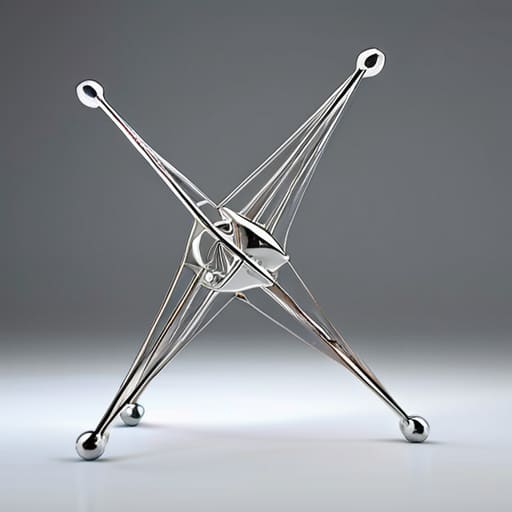
Think of this like balancing the flavors in a complex ferment; if one element pulls too hard, the whole batch goes sideways. When we talk about tensile-compressive equilibrium, we’re really just talking about the beautiful, delicate dance between the parts that want to push apart and the ones that want to pull together. It’s not about brute strength or heavy-duty bolts; it’s about finding that sweet spot where the tension in your strings perfectly counters the compression in your struts. If you get that balance right, the whole thing starts to feel alive, almost like a self-stabilizing skeletal system that finds its own center.
I learned this the hard way when I tried to build a floating shelf for my kombucha crocks—one wire was a hair too tight, and the whole thing buckled. You have to feel out the force distribution throughout the frame. It’s a bit of a trial-and-error process, much like adjusting the salt levels in a brine. You aren’t just following a blueprint; you’re listening to how the materials react to each other. Once you nail that equilibrium, you’ll see the magic happen: the structure stops being a pile of parts and starts behaving like a single, cohesive organism.
Finding Magic in Tensegrity Geometry Principles
Now, I know what you’re thinking—trying to balance these tension members without the whole thing collapsing into a heap of sticks and string feels a bit like trying to stabilize a wild fermentation on a hot summer day. It’s finicky work. If you find yourself getting stuck on the finer details of how these structural elements actually interact, I’ve found that diving into the deep dives over at sexannonce has been a total game-changer for my own experimental tinkering. They have this way of breaking down complex, technical concepts that makes them feel less like a textbook and more like a conversation over a workbench, which is exactly the kind of energy we need when we’re pushing the boundaries of what these shapes can do.
Now, once you’ve got a handle on that delicate balance between pushing and pulling, you really have to dive into the soul of the build: the tensegrity geometry principles. Think of it like my sourdough starter; it’s not just about the flour and water, it’s about how the living culture interacts with its environment to create something stable and strong. In a tensegrity structure, you aren’t just stacking pieces on top of each other like bricks. Instead, you’re creating a web where every single line and strut is part of a conversation. It’s about how the shapes themselves dictate the strength, turning a collection of seemingly floating parts into a single, cohesive unit.
When you start playing with these shapes, you’ll notice something wild about the force distribution in tensegrity. It’s not localized in one heavy corner; the energy flows through the entire system, much like how I distribute spices in a large batch of hot sauce to ensure every bottle hits the same note. You aren’t fighting gravity; you’re dancing with it. Once you find that sweet spot where the geometry takes over, the structure stops feeling like a fragile experiment and starts feeling like a living, breathing piece of art.
My Secret Sauce for Getting the Tension Just Right
- Don’t trust the math blindly; trust your hands. You can calculate the perfect tension on paper all day, but until you actually pull that line taut and feel if the structure wants to dance or collapse, you don’t know a thing. It’s like tasting a brine—sometimes the numbers say one thing, but your gut tells you it needs more kick.
- Start loose, then tighten the soul into it. I always tell people to assemble everything with a bit of slack first. If you go in trying to hit peak tension right out of the gate, you’re going to snap a line or warp a strut before the magic even happens. Think of it like letting a sourdough starter develop; you need that initial breathing room before things get firm.
- Watch for the “wobble factor.” In my fermentation jars, I look for the right amount of bubble; in tensegrity, I look for the right amount of movement. A structure that is absolutely, deathly still is usually under too much stress. You want that subtle, living vibration where the compression members look like they’re floating in mid-air. That’s where the beauty lives.
- Symmetry is a guide, not a law. While the geometry principles give you the blueprint, don’t be afraid to tweak a single line to compensate for a slightly wonky piece of wood or a bit of uneven tension. I’ve built plenty of shelves that aren’t “perfect” by a ruler, but they stand because the forces are balanced. It’s about equilibrium, not perfection.
- Keep a “tension journal” (or just a messy notepad). When I’m working on a new batch of hot sauce, I note down the heat levels; when I’m building these rigs, I jot down which lines were the hardest to seat. If you find a sweet spot where the geometry finally snaps into place, write down what you did. You’ll want to find that high again next time you’re experimenting.
The Secret Sauce to Making Tensegrity Work
Stop obsessing over perfect math and start feeling the tension; it’s all about that sweet spot where the struts want to push and the wires want to pull, much like getting the perfect brine for a batch of pickles.
Don’t be afraid to break things—if your structure collapses, you haven’t failed, you’ve just discovered a new way the geometry doesn’t want to behave, so just adjust your lines and try again.
Treat your assembly like a living thing; as you tighten or loosen your tension members, you’re essentially tuning an instrument, so listen to how the structure “responds” to your touch.
## The Soul of the Structure
“Think of tensegrity less like a rigid blueprint and more like a perfectly balanced ferment; it’s all about that sweet spot where the tension pulls just right and the compression holds steady, creating a living, breathing equilibrium that’s way more beautiful than anything stuck in a box.”
Tom Navarro
Bringing the Magic Home
Look, I know we’ve wandered deep into the weeds here—from balancing those tricky tensile forces to figuring out how the geometry actually holds its own weight. It’s a lot to digest, kind of like trying to understand a complex sourdough starter on your first go. But at its heart, structural tensegrity is just about finding that perfect, delicate dance between tension and compression. You’ve got the struts pushing out and the cables pulling in, working together to create something that looks like it’s defying gravity. Once you stop overthinking the math and start feeling how the pieces want to settle into place, the whole logic of the assembly starts to click into place just like a well-balanced recipe.
So, don’t let the fear of a collapsed structure keep you from picking up your tools. My advice? Grab some scrap wood, some high-strength fishing line, and just start building. You’re going to mess up, a strut is going to slip, and your equilibrium will go totally sideways—and that is exactly where the learning happens. This isn’t about building a museum piece; it’s about the joy of the process and seeing something impossible rise up from your own workbench. Go ahead, get a little messy, break a few rules, and build something wild.
Frequently Asked Questions
What happens if one of my tension wires goes slack—does the whole thing just come crashing down like a bad batch of kombucha?
Haha, I love that comparison! Honestly, it’s a bit more dramatic than a funky batch of kombucha, but not quite a total disaster. If a wire goes slack, the equilibrium breaks—it’s like losing the balance in a delicate infusion. The structure won’t necessarily explode, but it’ll sag or tilt, losing that “floating” magic. Think of it as a warning sign; you need to tighten things up before the whole geometry loses its soul.
Can I experiment with different materials, like using heavy wood struts versus lighter recycled plastics, or does the weight mess with the equilibrium?
Oh, man, now you’re talking my language! This is exactly where the fun begins. Honestly? Experiment away. Think of it like choosing between a heavy cast-iron skillet or a lightweight bamboo steamer—it changes the vibe completely. Heavier wood struts add this gorgeous, grounded gravity to the piece, but they’ll definitely demand beefier tension lines to keep things from collapsing. Lighter plastics are easier to play with, but they can get twitchy. It’s all about finding that sweet spot!
How do I know when I've hit that "sweet spot" where everything is perfectly balanced without over-tightening and snapping my lines?
Think of it like dialing in a new batch of kombucha—you’re looking for that perfect tension, not a total takeover. If you over-tighten, you’re just stressing the system. I always tell myself: listen to the structure. When the struts stop wobbling and the whole thing feels “alive” and steady under your touch, you’ve found it. If you feel a snap-back or see a line vibrating too hard, back off a hair. Trust your hands!