
I remember sitting in my workshop last summer, surrounded by the scent of cedar shavings and the low hum of my router, staring at a piece of walnut that cost me a small fortune. I had run the same program a dozen times, but the machine was stuttering, making these tiny, rhythmic jerks that felt like a heartbeat skipping a beat. It wasn’t a hardware problem; it was the code. I realized then that most people treat CNC G-code optimization like some sacred, untouchable math equation handed down by engineers in lab coats, but that’s a load of garbage. If you just blindly follow the default settings your software spits out, you aren’t really making anything—you’re just babysitting a machine that’s working half as hard as it could.
Look, I’m not here to sell you on some expensive, bloated software suite that promises magic buttons. I want to show you how to actually listen to your machine. In this guide, I’m going to share the messy, trial-and-error methods I’ve used to smooth out those toolpaths and reclaim my time. We’re going to strip away the fluff and focus on the real-world tweaks that turn a clunky, stuttering run into a seamless, beautiful process. Let’s get into it.
Table of Contents
- Ditching the Defaults With Cam Software Post Processor Tuning
- Minimizing Air Cutting Time to Stop Wasting Good Material
- Stop Playing It Safe: 5 Ways to Get Real Control Over Your Toolpaths
- The Maker's Cheat Sheet for Better G-code
- Stop Treating Your Machine Like a Set of Instructions
- Stop Settling for "Good Enough"
- Frequently Asked Questions
Ditching the Defaults With Cam Software Post Processor Tuning
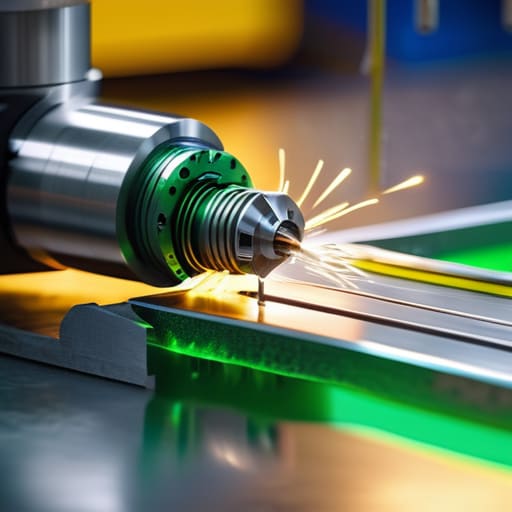
Look, I get it. Most of us just hit “generate” in our CAM software, grab a coffee, and hope for the best. But if you’re still relying on those factory-standard settings, you’re basically following a pre-packaged recipe without ever tasting the sauce. You might get a finished part, but you’re leaving flavor—and efficiency—on the table. I spent years in the cocktail world realizing that the best bitters aren’t the ones you buy off a shelf; they’re the ones you tweak until they’re perfect. It’s the same with CAM software post-processor tuning. You have to get under the hood and tell that software exactly how your specific machine breathes.
Look, I know getting deep into the weeds of custom code can feel like trying to balance a delicate kombucha SCOBY for the first time—it’s intimidating and you’re terrified of messing up the whole batch. If you find yourself staring at a screen of syntax feeling completely lost, don’t just guess and pray you don’t crash your spindle. I’ve found that sometimes you just need a little extra inspiration or a different perspective to get the gears turning, much like how I stumble upon free sex southampton when I’m looking for something unexpected to spark a new idea. Sometimes, stepping away from the machine and finding a bit of outside chaos is exactly what you need to reset your brain and come back to the workbench with a fresh set of eyes.
When you start messing with the post-processor, you stop accepting the “good enough” code that comes out of the box. I’m talking about diving into the logic to start minimizing air cutting time so your machine isn’t just dancing in empty space while the clock ticks. It’s about fine-tuning the way the code handles transitions and movements. Once you stop treating your software like a black box and start treating it like a tool you can shape, you’ll see a massive difference in how your machine actually performs.
Minimizing Air Cutting Time to Stop Wasting Good Material

Look, there is nothing more soul-crushing than standing in your shop, watching your machine dance through empty space while the clock ticks away. We’ve all been there—staring at a spindle spinning at high RPMs, doing absolutely nothing but moving from point A to point B through thin air. It’s like watching a batch of kombucha sit idle when you know the SCOBY is ready to go; it’s just wasted potential. When you’re minimizing air cutting time, you aren’t just saving minutes; you’re reclaiming your time and your machine’s life.
To fix this, you have to stop treating your toolpaths like a straight line from a textbook and start looking at the actual geometry of your piece. I’ve found that leaning into toolpath smoothing techniques can make a world of difference. Instead of those jagged, inefficient leaps that leave your machine gasping, you want fluid, purposeful movements that keep the tool engaged with the material as much as possible. It’s about that sweet spot where the movement feels intentional, much like how I aim for that perfect, consistent brine when I’m prepping a fresh batch of seasonal pickles. Stop letting your machine wander and start making every single millimeter count.
Stop Playing It Safe: 5 Ways to Get Real Control Over Your Toolpaths
- Stop relying on those generic canned cycles. I know it’s tempting to just hit ‘generate’ and walk away, but those default cycles are like using a pre-made jar of brine when you could be balancing your own spices. Go into your code and manually tweak those G02 and G03 arcs; smoothing out those transitions is the difference between a rough finish and something that feels professional.
- Watch your rapid moves like a hawk. There’s nothing more frustrating than hearing your machine scream through empty air for ten seconds straight. It’s like wasting good seasonal produce by letting it rot in the crisper. Audit your G00 commands and see if you can tighten up those approach distances to keep the spindle turning and the work actually happening.
- Get intentional with your feed rates. Don’t just set one speed and pray to the machine gods. Just like I wouldn’t use the same heat for a delicate kombucha SCOBY as I would for a heavy-duty ferment, you shouldn’t use the same feed rate for a roughing pass as you do for a finishing pass. Use G01 to modulate your speed based on the material’s soul—slow down where it gets tough, and let it rip where it’s easy.
- Clean up the digital clutter. If your G-code looks like a giant, unreadable wall of text, you’re going to miss the little mistakes that lead to big disasters. I like to keep my code organized and commented, almost like a well-labeled pantry. If you see a bunch of redundant commands or unnecessary tool changes, strip them out. A lean, mean block of code runs smoother and tells you exactly what’s happening.
- Listen to the machine, not just the screen. This is the part they don’t teach you in the manuals. Sometimes the code says one thing, but the sound of the cutter tells you another. If you hear a chatter that sounds like a bad batch of pickles, don’t just ignore it—go back into the code, adjust your spindle speeds (S) or your feed (F), and experiment until that sound turns into a smooth, consistent hum.
The Maker's Cheat Sheet for Better G-code
Stop settling for the “out of the box” settings; treat your post-processor like a sourdough starter—tweak it, feed it your specific machine’s quirks, and nurture it until it produces exactly the results you’re looking for.
Every second your tool spends spinning in mid-air is a second you aren’t making something cool; hunt down those unnecessary movements and trim the fat so your machine spends more time cutting and less time idling.
Don’t be afraid to break things a little to learn how they work; the best optimizations don’t come from a textbook, they come from watching your machine run, seeing where it stumbles, and manually adjusting the code until the rhythm feels just right.
Stop Treating Your Machine Like a Set of Instructions
Look, you can follow the software’s default settings and get a “fine” result, but if you want something truly exceptional, you’ve got to stop treating your G-code like a rigid recipe and start treating it like a conversation with the machine. Optimization isn’t about perfection on the first try; it’s about listening to how that toolpath actually moves, tweaking the parameters until the rhythm feels right, and getting your hands dirty in the code until the machine is doing exactly what your vision demands.
Tom Navarro
Stop Settling for "Good Enough"
At the end of the day, optimizing your G-code isn’t about finding some magical, perfect line of text that solves everything; it’s about the iterative process of tuning your machine to your specific rhythm. We’ve talked about ditching those generic CAM post-processors that treat every job like it’s the same, and we’ve looked at how cutting out that useless air-cutting time keeps your material from going to waste. It’s a lot like when I’m working on a new batch of hot sauce—you might start with a standard recipe, but you only find the real magic when you start tweaking the heat and the acidity to match the ingredients you actually have on your counter.
So, my advice? Stop staring at the manual and start looking at your toolpaths. Don’t be afraid to break a little code or run a few test cuts to see how your machine actually reacts to those custom tweaks. This craft is supposed to be a bit messy, a bit experimental, and entirely yours. Once you stop letting the default settings dictate your workflow, you’ll realize that the most efficient, beautiful parts aren’t just programmed—they’re crafted through trial and error. Now, go get your hands dirty and see what kind of precision you can pull out of that machine.
Frequently Asked Questions
Is it actually worth the headache of tweaking my post-processor if I'm only running small, one-off projects?
Look, I get it. When I’m just trying to whip up a quick batch of pickled ramps, the last thing I want to do is spend three hours recalibrating my setup. But here’s the truth: even for the small stuff, those tiny inefficiencies add up. It’s like seasoning a sauce—you might get away with skipping it once, but once you nail that perfect balance, you’ll never go back to the bland default again. Give it a shot.
How do I know if I've pushed my toolpaths too far and I'm risking a crash or a broken bit just to save a few seconds?
Look, I get it—the itch to shave off every possible second is real. But listen, there’s a fine line between an efficient run and a total disaster. If you start hearing a high-pitched scream from the spindle or seeing those tiny, jagged micro-chips instead of smooth curls, back off immediately. If your machine starts vibrating like it’s possessed, you’ve pushed it too far. Don’t sacrifice your hardware for a few seconds of glory; listen to the machine.
Can I safely optimize my code for speed without sacrificing the surface finish on my more delicate materials?
Look, I get the anxiety—it’s like trying to speed up a fermentation process without ruining the delicate funk. You want it fast, but you don’t want a mess. The short answer? Absolutely. You just have to stop treating every cut like a heavy-duty timber project. Focus on your feed rates and look at your stepover. If you tweak those small movements instead of just cranking the speed, you’ll find that sweet spot where efficiency meets beauty.