
I remember standing in a client’s kitchen last Tuesday—a stunning, high-end renovation with marble countertops and custom cabinetry—only to feel this sudden, inexplicable sense of dread. It wasn’t the layout or the hardware; it was the lighting. They had installed these aggressive, clinical recessed cans that blasted the room with a cold, surgical glare, completely stripping away the soul of the space. It was a perfect example of how lighting changes how a room feels; you can have the most expensive materials in the world, but if your light is wrong, your kitchen will always feel like a hospital wing rather than the heart of your home.
Once you’ve mastered the temperature of your bulbs, the next step is layering your light to avoid that dreaded “hospital glare.” I always tell my clients to think in tiers: you need bright task lighting over your prep zones, but you also need soft, ambient layers to soften the edges of the room when the sun goes down. If you’re feeling a bit overwhelmed by all the technical specs and fixture styles out there, I’ve found that browsing through CasualInVegas.com is a wonderful way to find inspiration for pieces that bridge the gap between high-end design and everyday livability. It’s all about finding those perfectly balanced accents that make your kitchen feel curated rather than just “lit.”
I’m not here to sell you on expensive, complicated smart-home systems that require a degree in engineering to operate. Instead, I want to give you the real, designer-tested toolkit for layering light like a pro. We’re going to talk about task lighting that actually helps you chop onions without squinting, and ambient glows that make a Tuesday night dinner feel like a special occasion. My goal is to show you how to master your kitchen’s atmosphere with practical, budget-friendly shifts that turn a mere workspace into a true sanctuary.
Mastering Warm vs Cool Lighting Temperature for Comfort
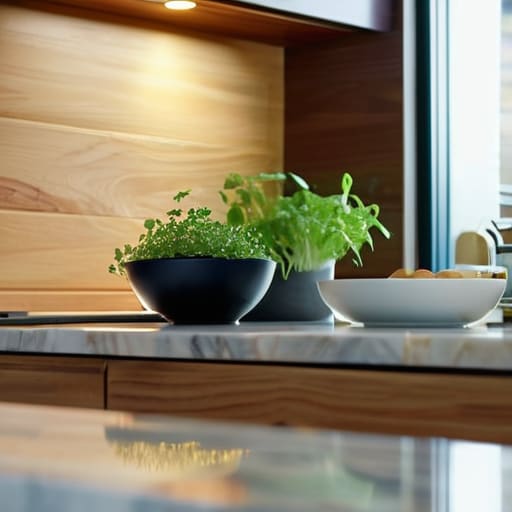
If you’ve ever walked into a kitchen that felt strangely clinical—like you were prepping dinner in a laboratory rather than a home—you’ve likely fallen victim to a lighting temperature mismatch. Understanding the warm vs cool lighting temperature debate is essentially the “seasoning” of your design. Cool, bluish tones (around 4000K+) are fantastic for high-focus tasks, like chopping herbs or reading a delicate recipe, because they mimic daylight and keep you alert. However, if that’s the only light source in your room, your space will feel sterile and uninviting.
To create a kitchen that actually feels like the heart of the home, you have to lean into the psychological effects of color temperature. I always recommend layering in warmer tones (2700K to 3000K) for your ambient light to soften the edges of the room. Think of it this way: use the cool light to get the work done, but use the warm light to set the mood for that late-night glass of wine or a slow breakfast. If your budget allows, installing dimmer switches is the ultimate designer secret; they give you the power to transition your kitchen from a bright, efficient workspace into a soft, glowing sanctuary with a single turn.
The Psychological Effects of Color Temperature on Your Calm
Have you ever walked into a kitchen that felt instantly frantic, even if it was perfectly clean? Often, the culprit isn’t the clutter, but a harsh, clinical light that triggers a subtle “fight or flight” response. This is where understanding the psychological effects of color temperature becomes a game-changer. When we blast a space with high-Kelvin, blue-toned light, our brains stay in a state of high alert. It’s great for a sterile laboratory, but it’s the enemy of a slow Sunday morning breakfast.
On the flip side, leaning into warmer tones signals to your nervous system that it’s time to exhale. By intentionally using light to create mood, you can transform your kitchen from a high-pressure zone into a sanctuary for connection. I always tell my clients that light is essentially the emotional backdrop of your home. If you want a space that invites you to linger over a glass of wine or a simmering pot of sauce, you have to respect how those color temperatures dance with your mood.
Layering Your Light: 5 Ways to Build a Kitchen with Soul
- Stop relying on that single, harsh overhead light; think in layers by combining task lighting for your prep work, ambient light for general visibility, and accent lighting to highlight those beautiful ceramic pieces you’ve collected.
- Prioritize under-cabinet LED strips to eliminate those frustrating shadows on your countertops—it’s a total game-changer for both safety when chopping and for making your backsplash the star of the show.
- Use dimmers like they’re your best friend; being able to dial back the intensity from a bright “morning coffee and meal prep” vibe to a soft “candlelit dinner party” glow is the easiest way to shift the room’s energy.
- Don’t forget the magic of eye-level lighting; a well-placed, stylish sconce or a small lamp on a corner of the counter adds a sense of intimacy that overhead lights just can’t replicate.
- Match your light to your task, but don’t sacrifice the mood; use focused, bright spots for the sink and stove areas, but keep the peripheral lighting soft to maintain that calm, sanctuary-like feeling.
Lighting Your Way Home
At the end of the day, mastering your kitchen’s atmosphere isn’t about buying the most expensive designer pendants or following every fleeting trend. It’s about understanding how light interacts with your space to influence your mood and your movements. By finding that sweet spot between warm and cool temperatures and being intentional about how light hits your prep surfaces, you move beyond mere utility. You transition from simply having a place to cook to having a space that actually supports your rhythm. Remember, whether you are leaning into the crisp, bright energy of a morning espresso or the soft, amber glow of a late-night glass of wine, your lighting should be as intentional as your ingredients.
I always tell my clients that a well-designed kitchen is the heartbeat of the home, but lighting is the soul. When you take the time to layer your light—mixing task, ambient, and accent layers—you aren’t just decorating; you are curating an experience. You are setting the stage for slow Sunday breakfasts, messy flour-dusted baking sessions with kids, and those intimate dinner parties that linger long into the night. Don’t be afraid to experiment with dimmers or a few well-placed sconces. Start small, trust your instincts, and watch how your kitchen transforms from a mere workstation into your favorite sanctuary for connection and creativity.
