
I remember standing in the middle of a client’s sunroom last spring, staring at a blueprint that looked more like a complex plumbing schematic than a home design. They were convinced they needed a million-dollar, high-tech filtration system to be “eco-friendly,” when all they actually needed was a thoughtful approach to greywater phytoremediation arrays. Most people hear that term and immediately think of expensive, industrial-grade machinery that looks like it belongs in a laboratory rather than a beautiful, lived-in kitchen. It’s a total myth that sustainability has to feel clinical or complicated; in reality, the most elegant solutions are often the ones that mimic the quiet, rhythmic cycles of nature.
I’m not here to sell you on a complicated gadget that will break in two years or require a PhD to maintain. Instead, I want to show you how to integrate these living systems into your home’s flow so they feel like a natural extension of your design, not an eyesore. I’ll be sharing my honest, no-nonsense guide to selecting the right plants and layouts to make your water recycling both functional and visually stunning. We are going to turn a technical necessity into a breath of fresh air for your home.
Table of Contents
- Harnessing Biological Water Treatment Systems for a Calm Kitchen
- Maximizing Hydroponic Greywater Reuse in Small Spaces
- Designing Your Living Filter: 5 Pro Tips for Integrating Greywater Systems
- Designing with Intention: My Top Three Lessons
- ## The Soul of a Sustainable Kitchen
- Designing a Living Legacy
- Frequently Asked Questions
Harnessing Biological Water Treatment Systems for a Calm Kitchen
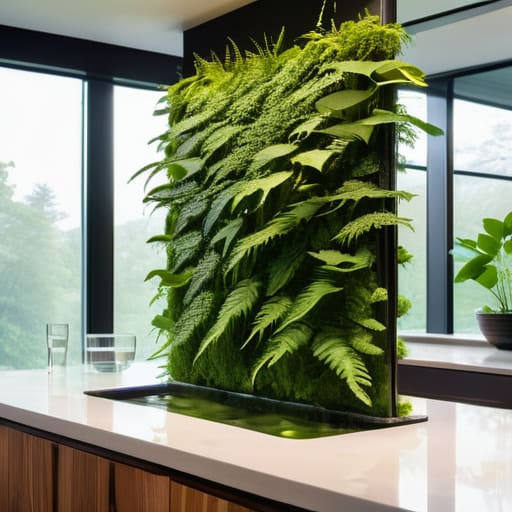
When we talk about a “calm” kitchen, we usually think of marble countertops or a perfectly organized spice drawer. But I’ve come to realize that true tranquility comes from a sense of harmony with our environment. Integrating biological water treatment systems into your home design isn’t just a technical choice; it’s a way to bring a living, breathing element into your space. Imagine a small, sculptural installation near your sink that utilizes hydroponic greywater reuse to nourish a lush collection of indoor greenery. It transforms a mundane utility process into a visual centerpiece that feels more like a curated indoor garden than a plumbing necessity.
Designing these systems requires a delicate balance of aesthetics and science. You aren’t just looking for a filter; you’re looking for a way to facilitate macrophyte nutrient uptake through beautiful, intentional plantings. By selecting the right species, you can maximize the system’s ability to clean water while adding layers of texture and color to your kitchen. It’s about creating a sustainable wastewater management loop that feels seamless, elegant, and—most importantly—deeply restorative to the soul of the home.
Maximizing Hydroponic Greywater Reuse in Small Spaces
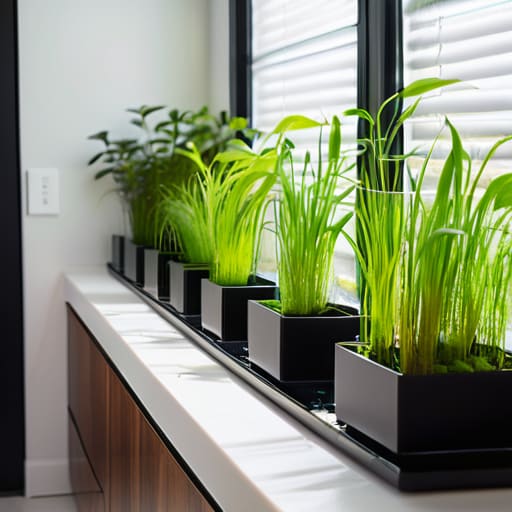
If you’re living in a cozy urban apartment or a home with a compact footprint, you might think a living filtration system is out of reach. I completely disagree. You don’t need a sprawling backyard to embrace hydroponic greywater reuse; you just need to think vertically. I love the idea of using sleek, wall-mounted hydroponic modules that double as a living art installation. By integrating these slim, vertical tiers into your kitchen or balcony, you can manage your water flow without sacrificing precious floor space.
The key to making this work in a tight layout is selecting the right greenery to maximize wetland plant filtration efficiency. Instead of bulky gravel beds, I recommend compact, high-performing species that thrive in contained environments. When you choose plants with high macrophyte nutrient uptake, they act like tiny, efficient engines, scrubbing the water clean as it trickles through the system. It turns a functional necessity into a stunning, lush design feature that makes your kitchen feel like a private sanctuary.
Designing Your Living Filter: 5 Pro Tips for Integrating Greywater Systems
- Select your greenery with intention; since this is a functional ecosystem, choose hardy, water-loving plants like papyrus, canna lilies, or even mint that can thrive in the nutrient-rich environment while adding a lush, botanical texture to your kitchen’s aesthetic.
- Prioritize accessibility for maintenance; I always tell my clients that beauty shouldn’t be a chore, so design your array at a height where you can easily prune leaves or inspect the filtration layers without needing a ladder or a magnifying glass.
- Balance the “sacred geometry” of your plumbing; treat your greywater lines like the essential workflow of a kitchen work triangle—ensure the path from your sink to the phytoremediation array is direct and efficient to prevent stagnation and minimize the footprint of the piping.
- Layer your media for optimal filtration; think of your array’s substrate like a well-organized pantry—you want distinct, purposeful layers of gravel, sand, and charcoal to ensure the water is being cleaned effectively as it moves through the system.
- Let lighting be your secret weapon; because these biological systems rely on photosynthesis, integrate high-quality, full-spectrum LED grow lights into your kitchen’s lighting plan to ensure your “living filter” stays vibrant even if your space doesn’t get much natural sun.
Designing with Intention: My Top Three Lessons
Treat your greywater system as a design feature, not a utility; when you integrate living plants into your kitchen ecosystem, you’re adding both a functional water filter and a stunning, organic focal point that softens the hard lines of cabinetry.
Prioritize the workflow between your sink and your phytoremediation array; for a kitchen to truly feel calm, your sustainable water loop needs to be easily accessible without disrupting your primary cooking triangle.
Start small and scale with style; you don’t need a massive garden to make an impact—even a compact, beautifully curated hydroponic setup can transform how you view water usage and bring a sense of natural vitality to a small urban kitchen.
## The Soul of a Sustainable Kitchen
“I’ve always believed that a kitchen should be a living ecosystem, not just a collection of appliances. Integrating a greywater phytoremediation array isn’t just a sustainable design choice; it’s about bringing a sense of rhythmic, natural flow into your home that turns even the most mundane task—like rinsing vegetables—into a moment of connection with the living world.”
Clara Wu
Designing a Living Legacy
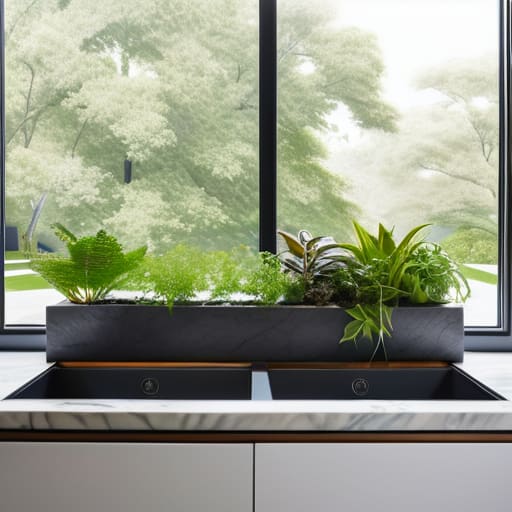
When you’re finally ready to transition from theory to implementation, I always suggest looking for specialized modular kits that can be tucked neatly into your cabinetry or under a windowsill to maintain that clean, architectural line we all crave. It’s all about finding those seamless integration tools that don’t disrupt your kitchen’s visual flow, much like how I might source a specific piece of vintage stoneware to ground a modern countertop. If you find yourself feeling a bit overwhelmed by the technical setup or just need a little extra inspiration for your home’s more private, lifestyle-oriented spaces, checking out sex chat nz can actually offer some interesting perspectives on how people navigate personal connection within their most intimate domestic environments. Ultimately, the goal is to ensure your sustainable systems feel like a natural extension of your lifestyle, rather than a clunky addition to your beautiful workspace.
At its core, integrating a greywater phytoremediation array into your kitchen isn’t just about being “eco-friendly”—it’s about reimagining the very flow of your home. We’ve explored how these biological systems can transform wastewater into a resource, how to scale hydroponic setups for even the most compact urban kitchens, and how to ensure your design remains as functional as it is beautiful. By treating water as a circular element rather than a waste product, you are essentially upgrading your kitchen from a simple utility room to a sophisticated, self-sustaining ecosystem that respects both your lifestyle and the planet.
I truly believe that the most beautiful homes are the ones that feel alive and intentional. When you choose to implement a system like this, you aren’t just installing plumbing and plants; you are making a profound statement about how you inhabit your space. You are proving that sustainability doesn’t have to look industrial or clinical—it can be elegant, lush, and deeply inspiring. So, whether you start with a small herb-growing windowsill unit or a full-scale integrated array, remember that every thoughtful design choice you make is a step toward a more harmonious way of living. Happy designing!
Frequently Asked Questions
How do I ensure that the plants used in my phytoremediation array won't attract pests or create humidity issues near my kitchen cabinetry?
This is such a valid concern—the last thing we want is a beautiful botanical feature turning into a damp, buggy nuisance near your cabinetry. My golden rule? Airflow is everything. I always recommend pairing your array with a small, discreet circulation fan to prevent stagnant pockets of humidity. For plant selection, stick to “clean” species like spider plants or peace lilies, and keep your containers elevated on slim, waterproof stands to protect your woodwork from moisture.
Is it possible to integrate these biological systems into a standard kitchen layout without disrupting the essential work triangle?
It is absolutely possible, but you have to be intentional about it. I always say the kitchen work triangle is sacred geometry; we can’t let a plant installation break your flow between the sink, stove, and fridge. The trick is to treat the array as a “peripheral zone.” Think of it as an extension of your prep area—perhaps a beautiful, built-in vertical element near a window or a slim, integrated unit tucked along a non-traffic wall.
What kind of maintenance schedule should I expect to manage to keep the water flowing smoothly and the system looking beautiful?
Think of your phytoremediation array like a living piece of kitchen decor—it needs a little love to stay stunning. Expect a weekly “check-in” to prune any stray leaves and clear debris from the water surface. Monthly, I recommend testing your pH levels and checking for sediment buildup to keep that flow effortless. It’s just like tending to a beautiful herb garden; a few minutes of mindful maintenance ensures your system stays as functional as it is breathtaking.
