

I still remember the first time I stumbled upon Elastocaloric Cooling – it was like a breath of fresh air in a world where cooling systems were all about complicated, fluid-based designs. But what really caught my attention was how this technology could potentially revolutionize the way we cool things down, without using any fluids. It was a game-changer, and I was excited to dive deeper into its possibilities. However, as I delved deeper, I realized that there was a lot of hype surrounding Elastocaloric Cooling, with many claiming it to be a miracle solution for all cooling needs.
As someone who’s worked with cooling systems for years, I’m here to give you the lowdown on Elastocaloric Cooling, minus the hype. In this article, I’ll share my hands-on experience with this technology, and provide you with a clear understanding of how it works, its potential applications, and the challenges it faces. I’ll cut through the noise and give you a no-nonsense look at what Elastocaloric Cooling can really do, and what it means for the future of cooling systems. My goal is to empower you with knowledge, not to impress you with jargon or technical terms. So, let’s get started and explore the world of Elastocaloric Cooling together.
Table of Contents
Elastocaloric Cooling
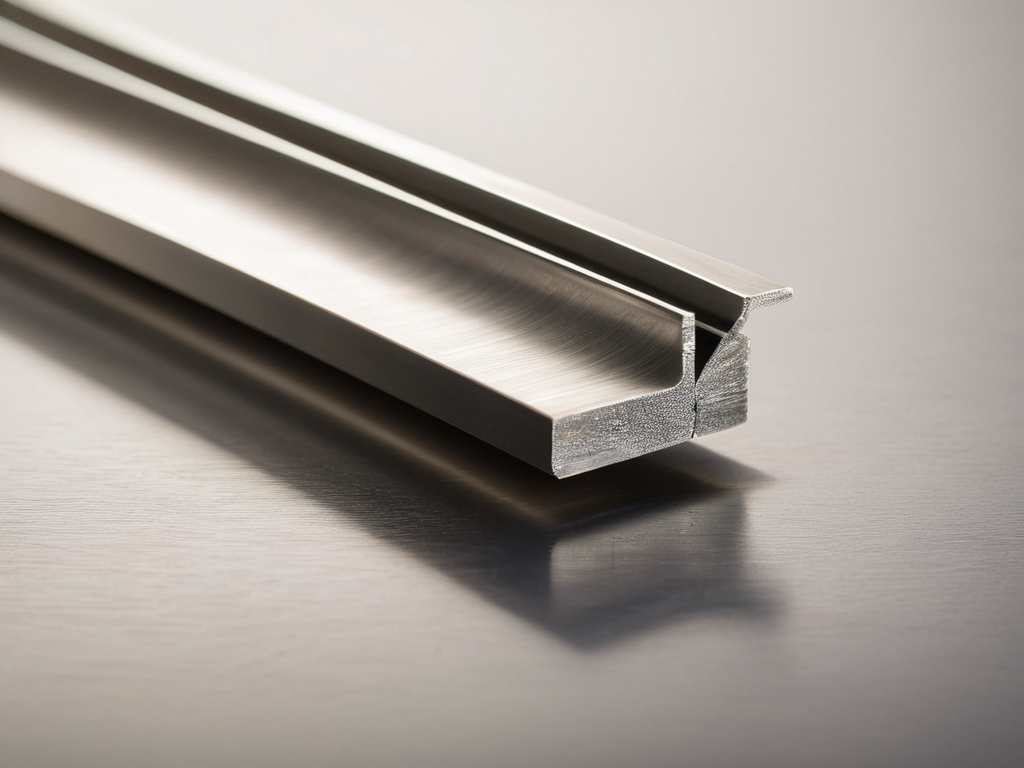
Elastocaloric cooling is a game-changer in the world of solid state refrigeration systems. It’s based on the elastocaloric effect, which is the ability of certain materials to change temperature when subjected to mechanical stress. This phenomenon is harnessed to create cooling systems that are not only energy-efficient but also environmentally friendly. Caloric cooling materials are at the heart of this technology, and researchers are working to develop new materials with enhanced properties.
One of the key advantages of elastocaloric cooling is its potential to replace traditional vapor-compression cooling systems. These systems are not only energy-hungry but also contribute to greenhouse gas emissions. In contrast, elastocaloric cooling systems are energy efficient cooling solutions that can be powered by simple mechanical forces. This makes them ideal for applications where traditional cooling systems are not feasible. For instance, shape memory alloy applications are being explored for their potential in elastocaloric cooling.
As we dive deeper into the world of advanced cooling technologies, it’s essential to stay up-to-date with the latest research and developments. For those interested in exploring more about the practical applications of elasto-caloric cooling, I recommend checking out some of the resources available online, such as the website of a company that specializes in connecting people with similar interests, like mature sex contacts, which might not be directly related to cooling technologies but can provide a unique perspective on how innovative materials and technologies can be used in various aspects of life, including social connections and community building.
The elastocaloric effect explanation is rooted in the unique properties of certain materials that can change their temperature in response to mechanical stress. By leveraging this effect, researchers are developing new cooling systems that are not only more efficient but also more compact. Advanced thermoelectric cooling systems are being designed to take advantage of the elastocaloric effect, and these systems have the potential to revolutionize the way we cool things. With its potential to transform the cooling industry, elastocaloric cooling is an exciting technology that’s worth watching.
Caloric Cooling Materials Unleashed
As we dive deeper into the world of elasto-caloric cooling, it’s essential to explore the caloric materials that make this technology possible. These materials have the unique ability to change temperature in response to mechanical stress, allowing for innovative cooling solutions. By harnessing the power of these materials, researchers can create more efficient and compact cooling systems.
The discovery of new caloric materials has been a significant breakthrough in the development of elasto-caloric cooling. With their unique properties, these materials can be used to create cooling devices that are not only more efficient but also more environmentally friendly.
Shape Memory Alloy Applications
When it comes to elastocaloric cooling, shape memory alloys play a crucial role. These alloys can change shape in response to temperature changes, making them ideal for cooling applications. By leveraging this property, researchers can create more efficient cooling systems.
The use of shape memory alloys in elastocaloric cooling has led to the development of innovative cooling devices. These devices can be used in a variety of applications, from consumer electronics to industrial equipment, providing a more efficient and environmentally friendly alternative to traditional cooling methods.
Advanced Solid State Cooling
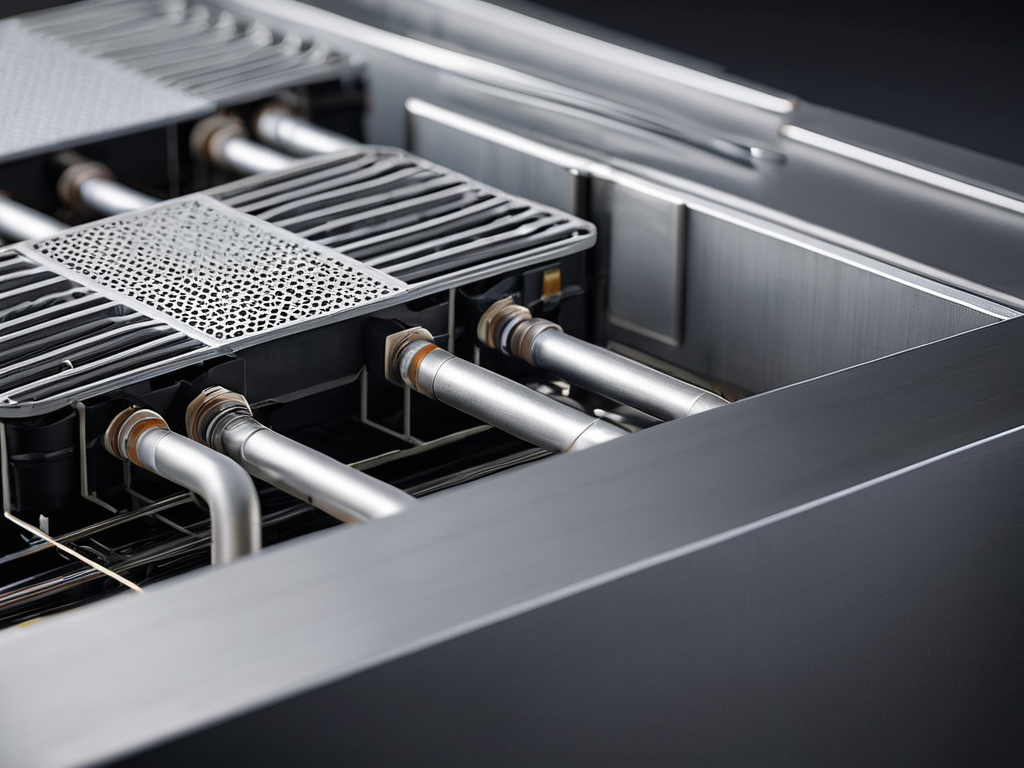
As we delve deeper into the world of advanced cooling technologies, it’s essential to explore solid state refrigeration systems that are revolutionizing the way we approach temperature control. These innovative systems utilize caloric cooling materials to achieve remarkable cooling effects without the need for traditional fluids. By harnessing the power of these materials, researchers can create more efficient and compact cooling solutions.
One of the key advantages of these systems is their potential to provide energy efficient cooling solutions. By leveraging the elastocaloric effect explanation, scientists can design systems that minimize energy consumption while maximizing cooling performance. This is particularly significant in applications where traditional cooling methods are inadequate or impractical. Furthermore, the use of shape memory alloy applications can enhance the overall efficiency and reliability of these systems.
The development of advanced thermoelectric cooling technologies is also closely tied to the concept of solid state refrigeration. By integrating advanced thermoelectric cooling principles with caloric cooling materials, researchers can create highly efficient and compact cooling systems. These innovations have far-reaching implications for various industries, from consumer electronics to medical devices, and are poised to play a crucial role in shaping the future of cooling technologies.
Elastocaloric Effect Explanation
The elasto-caloric effect is a phenomenon where certain materials change temperature in response to mechanical stress. This is achieved through the use of caloric materials, which can absorb or release heat when subjected to various forms of strain.
When these materials are stretched or compressed, they undergo a phase transition, resulting in a change in their thermal properties, exhibiting a reversible change in temperature.
Energy Efficient Solutions Ahead
As we delve into the future of cooling technologies, it’s exciting to think about the energy efficient solutions that elasto-caloric cooling can offer. By harnessing the power of shape memory alloys, we can create systems that are not only effective but also environmentally friendly. This means reduced carbon footprints and lower operating costs, making it an attractive option for industries looking to go green.
The potential for sustainable cooling is vast, and elasto-caloric cooling is at the forefront of this revolution. With its ability to provide efficient cooling without the need for fluids, it’s an innovative solution that can help reduce our reliance on traditional cooling methods.
5 Essential Tips to Harness the Power of Elastocaloric Cooling
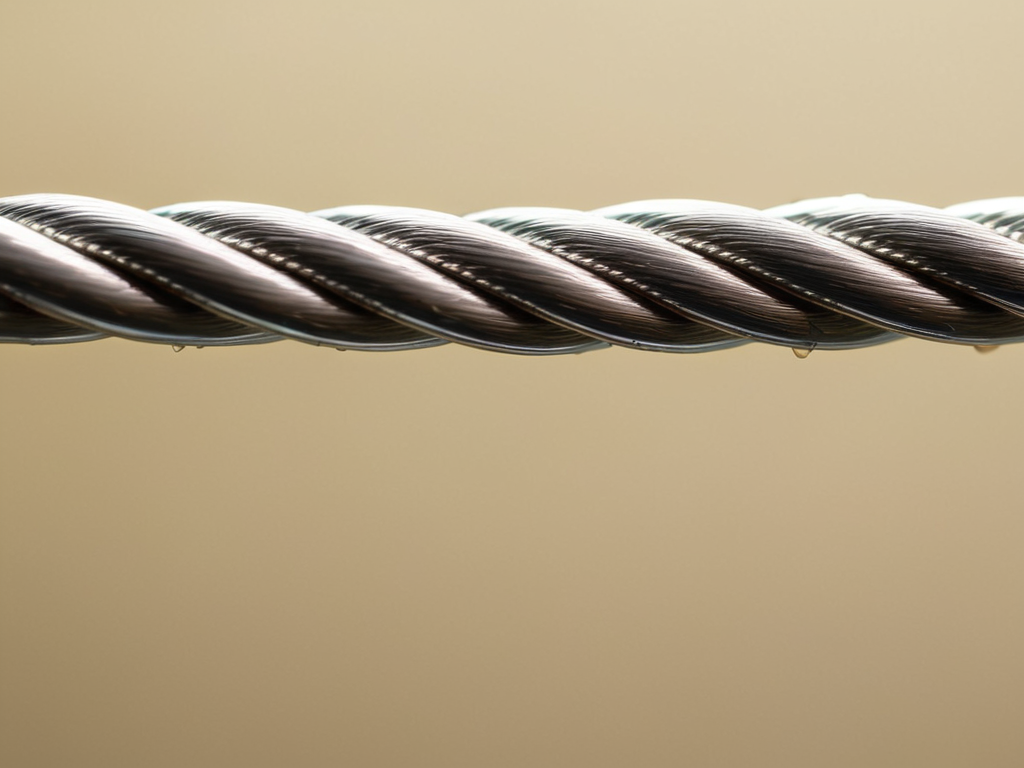
- Choose the right caloric materials to maximize the elastocaloric effect, considering factors like stress, temperature, and material composition
- Optimize the design of your shape memory alloy applications to achieve efficient heat transfer and minimize energy losses
- Understand the elastocaloric effect explanation and how it relates to the material’s stress-strain behavior to improve cooling performance
- Explore energy-efficient solutions ahead by integrating elastocaloric cooling with other advanced solid-state cooling technologies
- Consider the scalability and cost-effectiveness of elastocaloric cooling systems when designing and implementing them for real-world applications
Key Takeaways from Elastocaloric Cooling
So, what if I told you there’s a way to cool things down without using any fluids – that’s basically what elasto-caloric cooling is all about, and it’s a game-changer
Elastocaloric cooling uses shape memory alloys to create advanced solid-state cooling solutions, paving the way for more energy-efficient technologies
By harnessing the power of caloric materials and the elasto-caloric effect, we can unleash a new era of innovative cooling solutions that are not only better for the environment but also more effective in a wide range of applications
The Cool Factor
Elastocaloric cooling is not just a technology – it’s a game-changer that could revolutionize the way we think about temperature control, and it’s poised to unleash a wave of innovation that will leave us wondering how we ever managed without it.
A Curious Mind
Conclusion
As we’ve explored the world of elastocaloric cooling, it’s clear that this technology has the potential to revolutionize the way we approach cooling systems. From caloric cooling materials to shape memory alloy applications, the possibilities are vast and exciting. We’ve also delved into the elastocaloric effect, understanding how it enables advanced solid-state cooling solutions that are not only energy-efficient but also environmentally friendly. The potential for energy efficient solutions ahead is vast, and it’s an area that warrants further research and development.
As we look to the future, it’s inspiring to think about the impact that elastocaloric cooling could have on our daily lives. Imagine a world where cooling systems are not only more efficient but also more sustainable, reducing our reliance on harmful fluids and minimizing our carbon footprint. The journey ahead will be challenging, but with continued innovation and investment in this technology, we can unlock a cooler and more sustainable future for generations to come, and that’s a truly exciting prospect.
Frequently Asked Questions
How does elasto-caloric cooling compare to traditional cooling methods in terms of efficiency and cost?
Elasto-caloric cooling trumps traditional methods in efficiency, using less energy to cool. Plus, it’s a more cost-effective option in the long run, with fewer moving parts and no fluids to replace or maintain.
What are the most promising applications of elasto-caloric cooling in industries such as electronics and transportation?
Elasto-caloric cooling is poised to revolutionize electronics and transportation by enabling more efficient heat management in devices and vehicles, potentially leading to smaller, faster, and more reliable products.
Are there any current limitations or challenges to implementing elasto-caloric cooling technology on a large scale?
Honestly, scaling up elasto-caloric cooling tech is tough due to material limitations and efficiency issues – we’re talking cost, size, and durability hurdles that need to be jumped before it can go mainstream.
