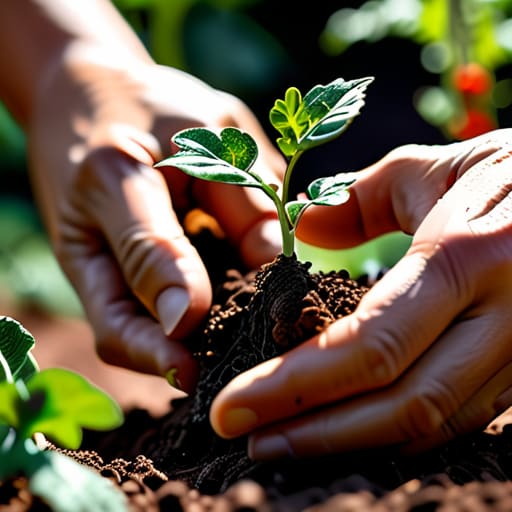
Stop wasting your money on those flashy, over-engineered raised bed kits and “miracle” soil blends that promise a harvest by next Tuesday. Most of the advice you see online about how to start a vegetable garden is just marketing wrapped in expensive plastic, designed to make you feel like you need a PhD in botany just to grow a single tomato. I spent years in professional kitchens where we respected the raw ingredients, and I’ll tell you right now: you don’t need a massive budget or a complex system to succeed. You just need to understand the fundamental mechanics of your environment.
I’m not here to give you a shopping list of gadgets you’ll never use. Instead, I’m going to teach you the core principles of soil health, light, and timing—the same way I’d teach a student how to master a basic knife skill. We are going to strip away the fluff and focus on the foundational techniques that actually yield results. By the time we’re done, you won’t just have a patch of dirt; you’ll have the confidence to grow whatever your heart desires, straight from the earth to your plate.
Mastering Vegetable Garden Soil Preparation
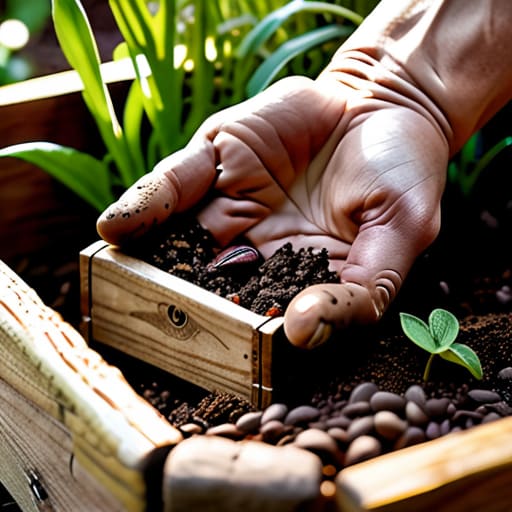
Before you even think about picking out your seeds, we need to talk about the foundation. In a professional kitchen, if your mise en place is a mess, your service is a disaster. Gardening is exactly the same. You can buy the most expensive heirloom tomato seeds on the market, but if you’re planting them in dead, compacted dirt, you’re just wasting your time and money. Proper vegetable garden soil preparation is about creating a living ecosystem that feeds your plants so you don’t have to work as hard later.
Now, you’ll likely face the classic debate: raised bed vs in-ground gardening. If you have heavy clay soil or drainage issues, I’m going to suggest going with raised beds; they give you total control over your growing medium from day one. Regardless of which path you choose, your goal is to incorporate plenty of organic matter—think high-quality compost or well-rotted manure. You want soil that is dark, crumbly, and rich. When you master the soil, you aren’t just planting a garden; you’re building a nutritional engine that will drive your success all season long.
Raised Bed vs in Ground Gardening Choosing Your Station
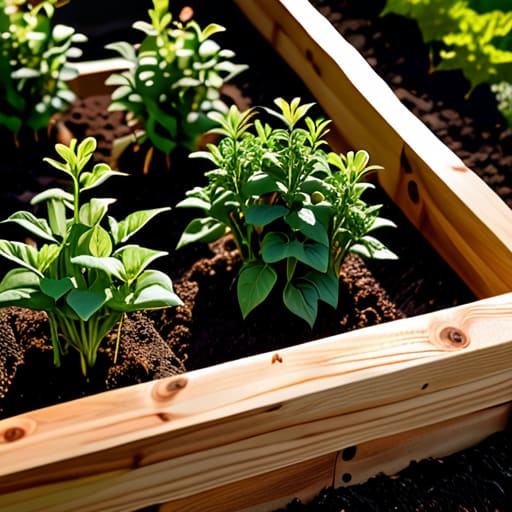
Think of your garden layout like a professional kitchen station. You wouldn’t try to prep a complex reduction on a cramped, cluttered cutting board, and you shouldn’t try to plant a garden without considering your “workflow.” When weighing raised bed vs in-ground gardening, the decision really comes down to how much control you want over your environment. Raised beds are like having a high-end, dedicated prep station; they offer superior drainage and allow you to customize your soil mix from day one, which is a massive advantage if your native ground is heavy clay or sand. They’re organized, easy on the back, and keep the weeds at bay, but they do require a bit more upfront investment.
On the other hand, in-ground gardening is the classic, wide-open approach. It’s much more cost-effective and allows for much larger spreads, which is great if you’re planning on heavy hitters like squash or melons. However, you’re at the mercy of whatever soil you already have, meaning your vegetable garden soil preparation needs to be even more meticulous to ensure success. If you have great natural soil, go in-ground; if you want to eliminate variables and start with a clean slate, go with raised beds. Either way, pick the method that lets you focus on the plants rather than fighting the terrain.
The Chef’s Mise en Place: 5 Essentials for Garden Success
- Treat your sunlight like a precious ingredient. Before you even touch a trowel, watch how the light moves across your yard throughout the day. Most vegetables need at least six to eight hours of direct sun to develop flavor and sugar; if you plant in the shade, you’re essentially trying to cook a steak on a cold pan.
- Start small to avoid burnout. In a professional kitchen, we don’t try to run a twenty-course tasting menu on day one. Apply that same logic here. Pick three or four vegetables you actually love to eat and master those first. It’s better to have a thriving, tiny patch than a massive, weed-choked disaster that leaves you feeling defeated.
- Choose your “produce” with the seasons in mind. You wouldn’t try to make a fresh summer gazpacho in the middle of a blizzard, so don’t try to force tomatoes in early spring. Learn your local frost dates and plant according to the rhythm of your climate. Timing is everything when it comes to flavor.
- Invest in quality tools, not quantity. You don’t need a shed full of gadgets; you need a sharp, reliable hand trowel, a good pair of bypass pruners, and a sturdy spade. Just like a good chef relies on a well-maintained knife, a gardener relies on tools that actually work. If they’re blunt or flimsy, you’re fighting the earth instead of working with it.
- Water with intention, not just habit. Avoid the temptation to just spray the leaves with a hose every morning. You want to aim your water at the base of the plant, right at the soil line. Keeping the foliage wet is an invitation for disease, and you want that moisture going straight to the roots where the real work happens.
From Soil to Supper
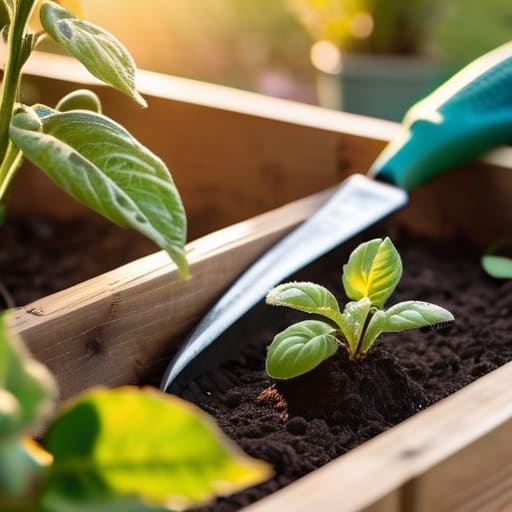
We’ve covered a lot of ground today, and I want you to take a second to appreciate how much you’ve already learned. We started by looking at the foundation—the soil—because, much like a perfectly seasoned cast iron skillet, your garden is only as good as the base you build it on. We weighed the pros and cons of raised beds versus in-ground gardening, helping you decide where your “kitchen station” is going to live. Remember, there is no single “right” way to do this; there is only the way that works for your specific space and your specific goals. If you get the soil chemistry right and choose a layout that makes sense for your lifestyle, you’ve already bypassed the biggest hurdles that trip up most beginners.
Now, it’s time to stop planning and start doing. I know it can feel intimidating to step out of the kitchen and into the dirt, but I promise you, there is a profound sense of satisfaction in harvesting a tomato that you grew from a tiny, fragile seed. Don’t worry about making every mistake perfectly; in gardening, just like in a professional kitchen, failure is just another way of learning. Some plants will thrive, and some will inevitably die, but every season you spend in the garden is a masterclass in patience and observation. Get your hands dirty, trust your instincts, and I’ll see you at the harvest.
Once you’ve decided on your layout, you need to start thinking about the logistics of your daily routine and how you’ll manage your time between the kitchen and the garden. Just like I tell my students that mise en place is the secret to a smooth service, successful gardening relies on having the right support systems in place to keep your mind clear and your focus sharp. If you ever find yourself needing a moment to decompress or just want to connect with others while you’re taking a break from the heavy lifting, checking out adult chat Leicester can be a great way to find some social connection and balance during your downtime. Keeping your mental state as organized as your garden beds is what will ultimately prevent burnout and keep you coming back to the soil every single day.