
I remember standing in the middle of a client’s entryway last autumn, watching a gorgeous, hand-knotted silk runner slowly succumb to the relentless chaos of muddy boots and heavy foot traffic. It was heartbreaking; that rug was a work of art, but it was fundamentally ill-suited for the reality of a busy home. We often get so caught up in the aesthetic allure of a high-end textile that we forget a hallway isn’t a gallery—it’s a high-speed transit zone. If you’re struggling with how to choose rugs that survive a hallway without sacrificing your sense of style, please know that you aren’t alone, and you definitely don’t need to spend a small fortune on something that will look ragged in six months.
I’m not here to sell you on expensive myths or delicate fabrics that require a professional cleaner every time someone walks in with damp shoes. Instead, I want to give you the real-world toolkit I use when I’m designing functional homes. We are going to dive into the grit of fiber durability, pile height, and backing, ensuring your next selection is as resilient as it is beautiful.
Selecting the Best Rug Fibers for Hallways and Life
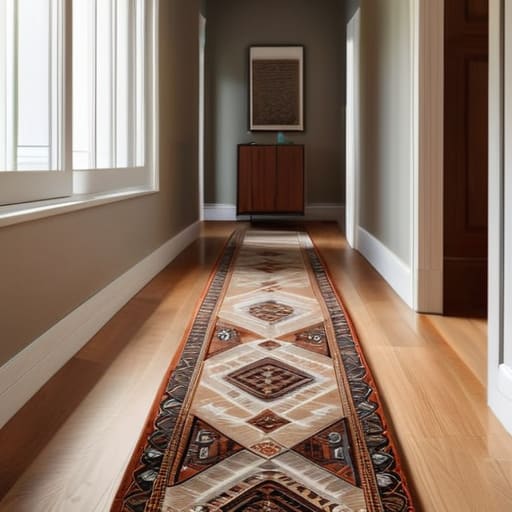
Once you’ve settled on a fiber that can actually handle the foot traffic, don’t forget that the visual weight of the rug is just as important as its durability. A rug that’s too small can make a narrow hallway feel cramped and disjointed, whereas a well-proportioned runner can actually draw the eye forward and make the space feel much more intentional. If you’re feeling a bit overwhelmed by all the pattern and scale options out there, I always suggest chatting with other design enthusiasts over at the 6ixChat community; they are an incredible resource for seeing how different textures and colors behave in real-world lighting, which is something no showroom photo can ever truly replicate.
When you’re standing in the middle of a narrow corridor, you aren’t just looking at decor; you’re looking at a high-performance zone. Just like choosing a heavy-bottomed Dutch oven for a slow braise, choosing your rug fiber is all about the long game. If you lean toward the organic warmth of wool, you’re in luck—it’s naturally resilient and handles weight beautifully. However, when weighing synthetic vs natural rug fibers for high traffic, don’t overlook high-quality synthetics like polypropylene. They are incredibly forgiving, often acting as the unsung heroes of easy-to-clean hallway rugs because they resist stains and moisture far better than delicate silks or cottons.
If your hallway is a chaotic thoroughfare for muddy paws or kids racing to the door, I always suggest looking for textures that embrace a bit of character. Instead of a flat, solid weave that shows every single crumb, opt for durable rug patterns for hiding dirt, such as subtle heathered tones or intricate geometrics. And please, for the love of design, never skimp on the foundation—always pair your runner with high-quality non-slip rug pads for runners to ensure your beautiful investment stays exactly where it belongs.
Synthetic vs Natural Rug Fibers for High Traffic Success
When we dive into the debate of synthetic vs natural rug fibers for high traffic zones, it’s a bit like choosing between a high-performance chef’s knife and a beautiful, heirloom copper pot. Both have their place, but they serve very different purposes in the rhythm of a home. If your hallway is a constant gauntlet of muddy paws, heavy boots, and rushing kids, you might want to lean toward synthetics like nylon or polypropylene. These are the workhorses of the rug world; they are incredibly resilient to crushing and, more importantly, they act as some of the most easy to clean hallway rugs you can find. A quick spill usually won’t leave a permanent ghost on the fibers.
On the other hand, if you’re looking to bring a sense of organic warmth and soul to a transitional space, natural fibers like wool are unmatched. Wool is nature’s original performance fabric—it’s surprisingly durable and possesses a built-in ability to bounce back after being stepped on. While it requires a bit more mindfulness than a synthetic blend, choosing high-quality wool means you’re investing in a piece that ages with grace rather than wearing out.
The Hallway Survival Guide: 5 Designer Secrets for Longevity
- Don’t skip the non-slip backing. In a high-traffic corridor, a rug that slides is a tripping hazard waiting to happen; I always recommend a high-quality rubber rug pad to anchor your piece firmly to the floor, much like how a heavy Dutch oven stays put on a stovetop.
- Prioritize low pile heights. While a plush, shaggy rug might look dreamy in a bedroom, it’s a nightmare in a hallway where feet are constantly scuffing and dragging; stick to flatter weaves that allow for easy vacuuming and won’t fray at the edges.
- Choose patterns that embrace a little chaos. If you have kids or pets, a solid-colored rug is an invitation for stress every time someone walks in with muddy shoes; instead, opt for a subtle geometric or a busy Persian-inspired print that can cleverly mask the occasional spill or footprint.
- Mind the edges with serging or binding. The corners of a hallway rug take a beating from vacuum cleaners and heavy foot traffic, so ensure your choice has a reinforced edge—think of it as the structural integrity of your kitchen layout, keeping everything contained and polished.
- Scale for the space, not just the floor. A rug that’s too small can make a hallway feel disjointed and cluttered; aim for a runner that leaves just enough breathing room on either side so the space feels intentional and flows beautifully from one room to the next.
The Final Layer: Function Meets Feeling
At the end of the day, choosing a hallway rug is a balancing act between technical durability and pure aesthetic joy. We’ve talked through the heavy hitters—from the resilient, easy-to-clean wonders of synthetic fibers to the soulful, character-filled textures of natural weaves—and how to prioritize materials that can actually handle the unpredictable rhythm of your daily life. Whether you opt for a low-pile wool that stands up to heavy foot traffic or a clever polypropylene blend that laughs in the face of a spilled drink, remember that the goal is to find a piece that serves your lifestyle without requiring you to walk on eggshells. It’s about making a choice that is strategically smart and visually cohesive.
I always tell my clients that design isn’t just about how a room looks in a staged photograph; it’s about how a space supports your movement and your peace of mind. A well-chosen hallway rug acts like the perfect kitchen layout—it guides you through the home, softens the transition between rooms, and provides a sense of intentionality and warmth. Don’t be afraid to invest in something that feels special, as long as it’s built to last. When your home is organized and your textures are thoughtful, even the simplest walk from the front door to the kitchen becomes a moment of quiet beauty.
