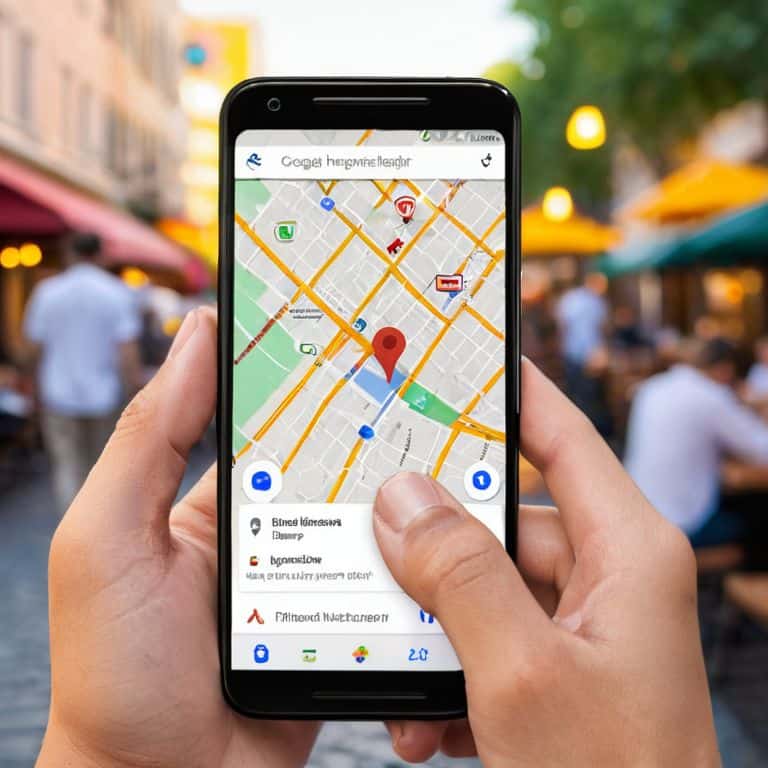
I still remember the thrill of stumbling upon a hidden gem of a restaurant in Tokyo, where the grandmotherly chef served up the most divine tonkatsu I’ve ever tasted. It was a discovery made possible by my trusty companion, Google Maps, which I’ve learned to wield like a pro to uncover the best local eats. The common myth that how to use google maps to find great local food is all about filtering by ratings and reviews is, in my opinion, a recipe for disaster – it’s the unconventional searches and clever use of keywords that lead to the real treasures.
In this article, I’ll share my hard-earned secrets on how to use google maps to find great local food, from mastering the art of keyword searches to identifying telltale signs of a genuine, grandma-approved eatery. You’ll learn how to look beyond the tourist traps and chain restaurants, and instead, discover the authentic flavors that make a place truly special. By the end of this guide, you’ll be equipped with the practical advice and insider knowledge to navigate even the most unfamiliar of culinary landscapes, and uncover the hidden gems that will make your taste buds sing.
Table of Contents
Guide Overview: What You'll Need
Total Time: 30 minutes to 1 hour
Estimated Cost: free
Difficulty Level: Easy
Tools Required
- Smartphone (with internet connection)
Supplies & Materials
- Google Maps App (downloaded and installed)
Step-by-Step Instructions
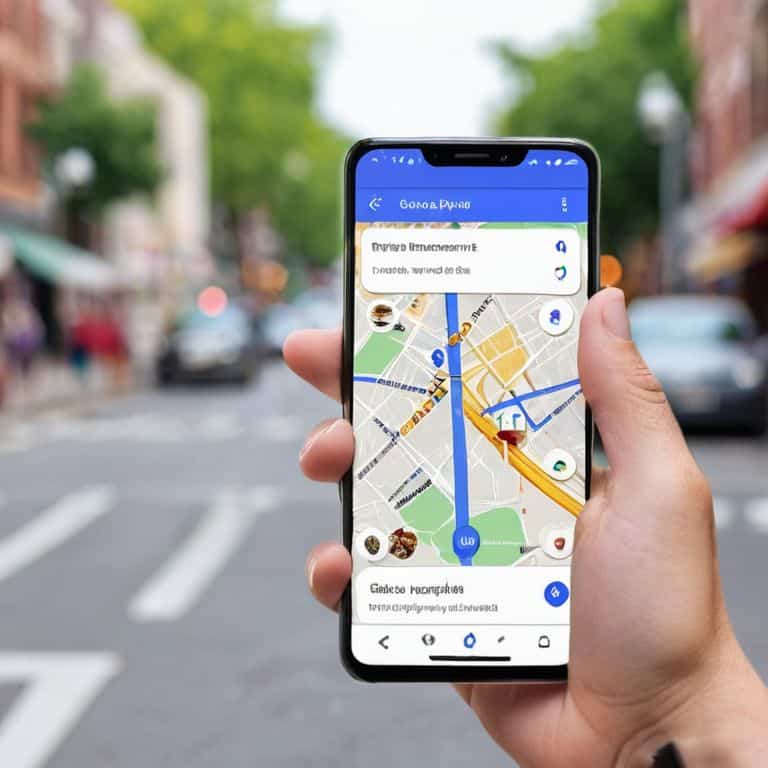
- 1. First, I always start by opening Google Maps on my phone or laptop, depending on where I am in the world. I’ve found that having a reliable internet connection is key, so I often purchase local SIM cards or portable Wi-Fi hotspots to ensure I can access the app wherever I roam. With Google Maps open, I type in the name of the city or neighborhood I’m currently exploring, and then I switch to the street view mode to get a feel for the local layout.
- 2. Next, I use the search function to look for keywords like “street food,” “local markets,” or “traditional cuisine.” I’ve learned that using specific keywords in the local language can be helpful, so I often ask my hotel concierge or a friendly local for tips on what to search for. For example, in Japan, I searched for “izakaya” to find hidden gems serving up delicious small plates. This approach has led me to some incredible, off-the-beaten-path eateries that I never would have found otherwise.
- 3. Once I have a list of potential destinations, I start to read reviews from other travelers and locals. I look for mentions of authentic flavors, traditional recipes, or family-owned businesses, as these are often indicators of a truly local dining experience. I also check the ratings and photos to get an idea of what to expect, but I’m always wary of places that seem too touristy or over-hyped.
- 4. With my list narrowed down, I use the directions feature to plan my route and get a sense of the local surroundings. I’ve found that some of the best food destinations are located in narrow alleyways or quiet side streets, so it’s essential to have a good sense of direction and a willingness to explore. I also make note of any local landmarks or public transportation options that might be nearby, as these can be helpful in finding my way around.
- 5. As I make my way to each destination, I keep my camera at the ready to capture the vibrant street life and colorful markets that often surround these local eateries. I’ve learned that some of the best food photos are taken on the go, so I always try to be mindful of my surroundings and snap pictures of interesting street food stalls, fresh produce, or local ingredients. This not only helps me to remember my journey but also provides valuable context for the recipes I’ll be sharing later.
- 6. When I arrive at a potential food destination, I take a moment to observe the atmosphere and get a feel for the local culture. I look for family photos on the walls, traditional decorations, or home-cooked aromas wafting from the kitchen, as these are often signs of a genuinely authentic dining experience. I also try to strike up a conversation with the owners or chefs, as they often have fascinating stories to share about their culinary traditions and the secret ingredients that make their dishes so special.
- 7. Finally, I take a deep breath, grab a seat at a plastic stool or communal table, and get ready to immerse myself in the local flavors. I always try to order like a local, asking for recommendations or opting for the daily specials, and I make sure to slow down and savor each bite. This is the moment when all my research and planning come together, and I get to experience the true essence of a culture through its street food.
Uncovering Local Gems
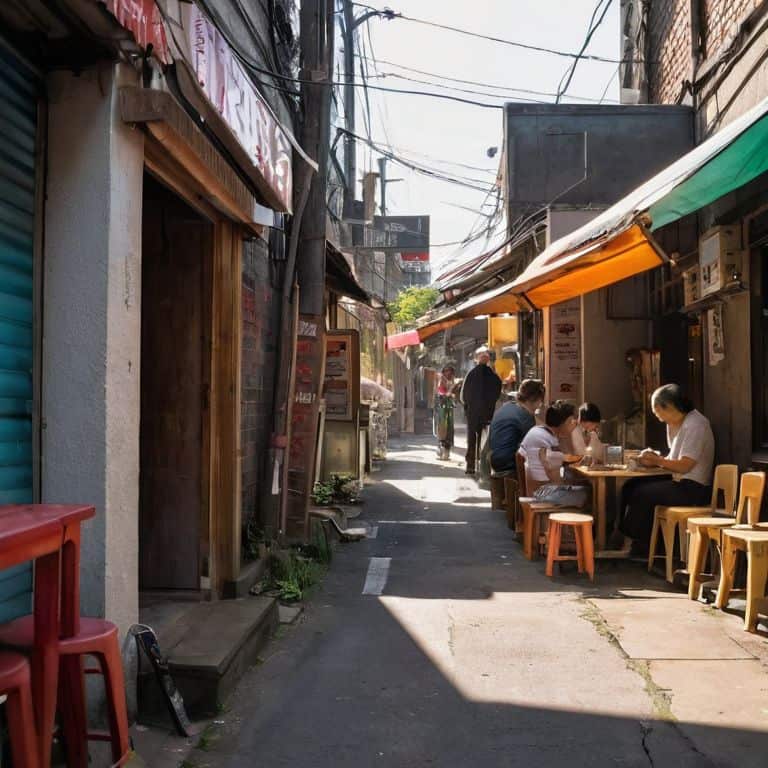
As I delve deeper into the world of google maps food discovery, I’ve found that it’s not just about pinpointing locations, but also about understanding the local culture. I recall a time when I stumbled upon a small, family-owned eatery in a quiet alleyway, thanks to local restaurant reviews online. The reviews raved about their signature dish, and I was eager to try it. As I sat down at a plastic stool, I felt like I had uncovered a hidden gem.
To make the most of Google Maps, I recommend exploring the street view for restaurants. This feature allows you to visually inspect the exterior of a restaurant, giving you a sense of its ambiance and authenticity. I’ve found that the best food spots often have a humble exterior, but a vibrant atmosphere within. By using Google Maps to discover these best food spots near me, I’ve been able to experience the true flavors of a city.
As you continue to use Google Maps for dining, remember to keep an eye out for using google maps for dining tips from locals and fellow travelers. These insights can lead you to unexpected culinary delights, from street food stalls to family-owned cafes. By embracing the unknown and venturing off the beaten path, you’ll uncover the authentic flavors of a city, and create memories that will last a lifetime.
Finding Hidden Eats With Street View
As I navigated the winding streets of Tokyo, I stumbled upon a tiny ramen shop that didn’t even have a sign. The only clue was a steaming bowl on Google Street View. I clicked on it, and the reviews raved about the rich tonkotsu broth. I had to try it. With Street View, I can virtually scout a neighborhood, looking for telltale signs of great food: a line of locals, a bustling market, or a chef expertly chopping ingredients on the sidewalk. It’s amazing how much you can discover with a little virtual exploration.
Google Maps Food Discovery Secrets
As I zigzag through unfamiliar streets, Google Maps becomes my trusted companion, leading me to culinary treasures. I’ve learned to filter searches by rating and distance, often opting for eateries with lower ratings but a loyal local following. This approach has introduced me to family-run eateries, tucked away in alleys, where the aroma of slow-cooked stews and freshly baked bread wafts through the air. I recall a small, unassuming shop in Tokyo, where I discovered the most exquisite tonkotsu ramen, thanks to a Google Maps tip from a fellow food enthusiast.
By leveraging Google Maps’ user reviews and photos, I’ve uncovered hidden gems, like a street food stall in Bangkok, serving the fluffiest, most tender khao soi. These secret spots, often overlooked by tourists, are where the real magic happens – where flavors are bold, and traditions are preserved.
Navigating Flavors: 5 Essential Google Maps Tips for Foodies
- Set your location to the heart of the city, not the tourist district, to uncover authentic eateries that locals frequent
- Use the ‘Street View’ feature to scout out popular food stalls, markets, and hole-in-the-wall restaurants that may not have an online presence
- Filter search results by rating and distance to find the highest-recommended spots within walking distance of your current location
- Explore user-generated reviews and photos to get a sense of the types of cuisine and dishes that are popular among locals and travelers alike
- Save and organize your discoveries in custom maps to create a personalized food itinerary for your travels, and to share with fellow food enthusiasts
Key Takeaways for the Adventurous Foodie
I’ve learned to rely on Google Maps to uncover hidden gems, from grandma-approved eateries to street food stalls, by utilizing features like Street View and user reviews to guide my culinary journey
By mastering the art of Google Maps, I’ve been able to navigate unfamiliar cities and discover authentic local flavors, from spicy market snacks to homemade specialties, that would have otherwise remained off the beaten path
Whether you’re a fellow food journalist or just a curious traveler, I hope my experiences and tips will inspire you to use Google Maps as a gateway to unforgettable dining experiences and a deeper understanding of the cultures you visit
Navigating the Flavors of the World
The art of finding great local food isn’t just about pinpointing a location on Google Maps, it’s about uncovering the stories, traditions, and secrets that simmer in every street food stall and home kitchen – and that’s where the real culinary journey begins.
Marco Bianchi
Savoring the Flavors of Adventure
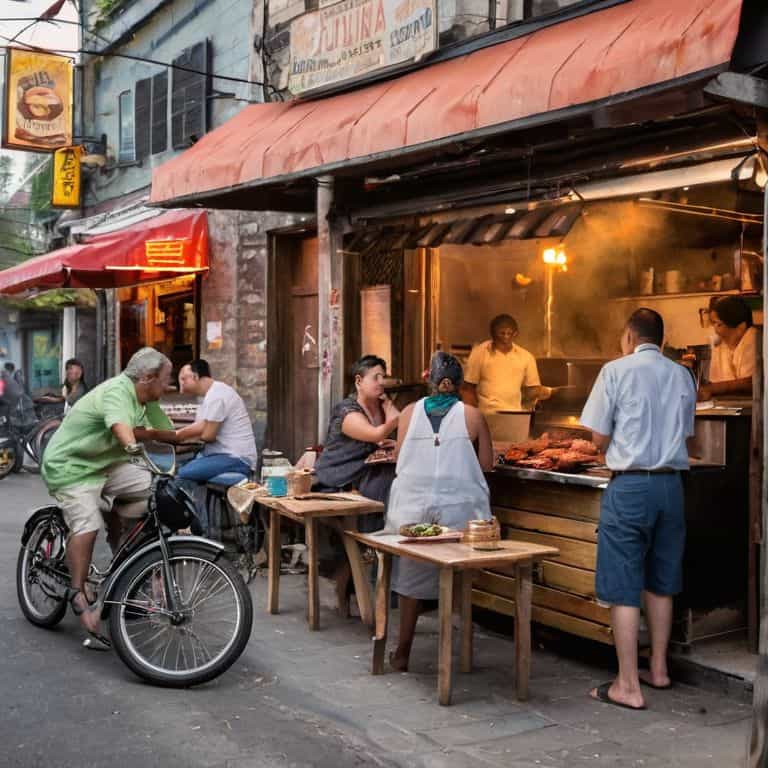
As I reflect on my journey to master Google Maps for local food discovery, I’m reminded of the hidden gems I’ve uncovered along the way. From the street food vendors in bustling cities to the family-owned eateries in quaint towns, each location has told a story of its own. By following the steps outlined in this guide, you’ll be well on your way to uncovering local gems that will make your taste buds dance with joy. Whether you’re a fellow food enthusiast or just starting to explore the world of local cuisine, I encourage you to keep an open mind and a willing palate, as the true magic happens when you least expect it.
As you embark on your own culinary adventures, remember that the art of discovery is just as important as the destination. Don’t be afraid to take the road less traveled, to try new flavors, and to immerse yourself in the local culture. The world is full of incredible stories, and the best ones are often told through the universal language of food. So, go ahead, grab your phone, open Google Maps, and start uncovering the flavors of adventure that await you just around the corner. Your taste buds, and the people you meet along the way, will thank you.
Frequently Asked Questions
How can I filter Google Maps results to prioritize family-owned or street food vendors?
To uncover those authentic, family-owned eateries and street food gems, I filter Google Maps results by using keywords like ‘family-owned’ or ‘street food’ and sorting by ratings and distance. I also love using the ‘Street View’ feature to get a sneak peek at the joint – if it’s bustling with locals, that’s usually a good sign.
Are there any specific Google Maps features that can help me discover local specialties or dishes that are unique to a particular region?
I swear by Google Maps’ “Explore” tab and user reviews to uncover local specialties. You can also filter searches by “open now” and “rating” to find hidden gems. And, don’t overlook the “Street View” feature – it’s a great way to get a sneak peek at a restaurant’s atmosphere and authenticity.
Can I use Google Maps to find restaurants or eateries that are off the beaten path or not typically listed in tourist guides?
Absolutely, I’ve uncovered some amazing eateries using Google Maps’ Street View, finding family-run joints and street food stalls that don’t show up in guidebooks. I look for crowded sidewalks, vibrant markets, and local favorites that are often tucked away, and then I use Street View to get a glimpse of the menu or atmosphere.