
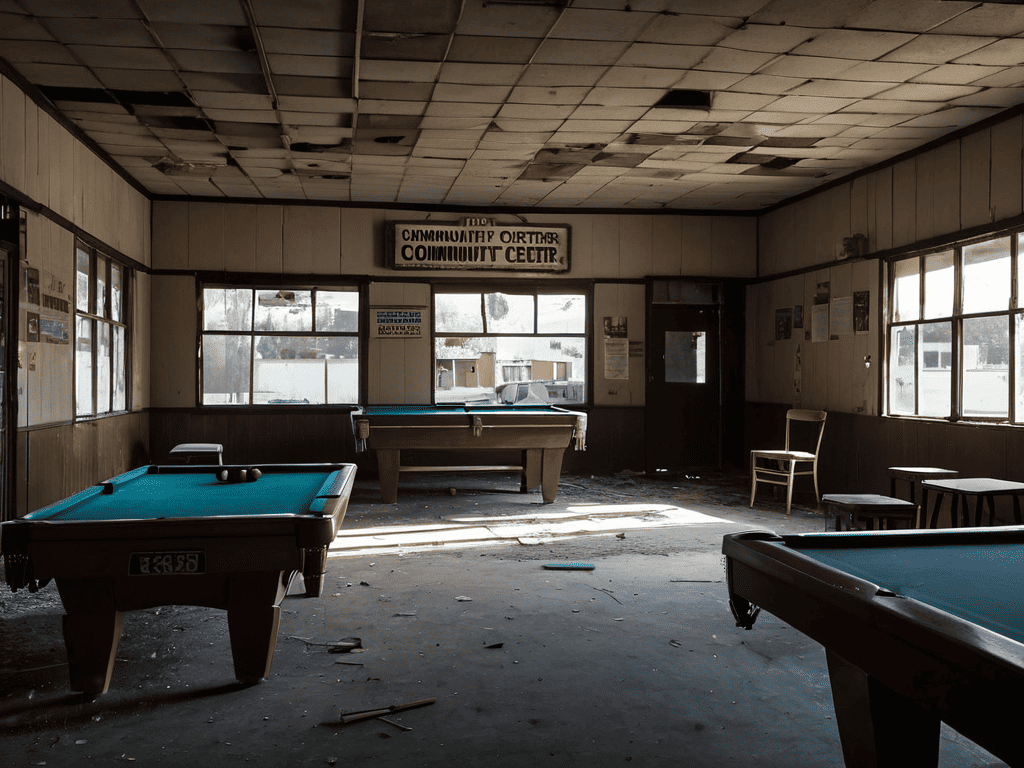
I still remember the day I realized that the concept of a Third Place Crisis wasn’t just some fancy term coined by sociologists, but a harsh reality that many of us face. It’s that feeling of being stuck between the comfort of our homes and the demands of our workplaces, leaving us wondering where we truly belong. The Third Place Crisis is real, and it’s not just about finding a physical space, but about discovering a sense of community and purpose.
As someone who’s been through this struggle, I want to offer you a no-nonsense guide to navigating the Third Place Crisis. In this article, I’ll share my personal experiences, and provide you with practical advice on how to find your own third place, whether it’s a coffee shop, a park, or a community center. I’ll cut through the hype and offer you a realistic perspective on what it takes to create a sense of belonging and connection in a world that often seems too busy to care. My goal is to help you find your own third place, and to show you that you’re not alone in this journey.
Table of Contents
Beyond Home and Work
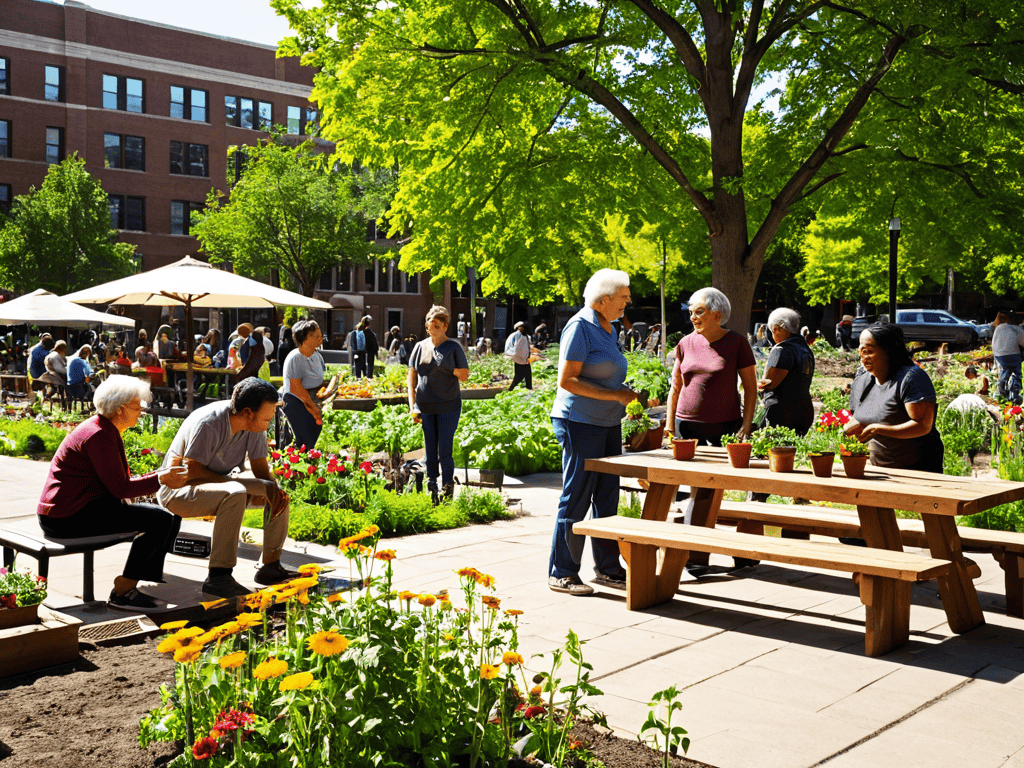
As we navigate the complexities of our daily lives, it’s becoming increasingly clear that public space design plays a crucial role in shaping our sense of community. Beyond the confines of home and work, we’re searching for areas where we can connect with others, fostering a sense of belonging and social connection. This is where community engagement strategies come into play, helping to create vibrant public spaces that encourage interaction and a sense of togetherness.
In an effort to combat social isolation, urban planning for community has become a vital aspect of city development. By incorporating community hubs, such as libraries and coffee shops, into the urban landscape, we can create areas that promote community engagement and provide a much-needed escape from the monotony of daily routine. The impact of coffee shop culture, for instance, cannot be overstated, as it provides a welcoming space for people to gather, share ideas, and build relationships.
The library, once a quiet haven for book lovers, has also evolved into a thriving community hub, offering a range of activities and events that cater to diverse interests. By leveraging such public spaces, we can work towards creating a more cohesive, supportive community, where individuals feel valued and connected. This, in turn, can have a profound impact on our overall well-being, helping to mitigate feelings of disconnection and isolation.
Coffee Shop Culture Impact
The rise of coffee shop culture has played a significant role in addressing the third place crisis. Community building is a key aspect of this culture, where people from different walks of life come together to socialize and connect. Coffee shops have become hubs for creative professionals, remote workers, and friends to gather, fostering a sense of belonging and community.
In these casual settings, individuals can engage in meaningful conversations, which are often lacking in traditional home and work environments. This leads to a stronger sense of connection and social bonding, helping to alleviate the feelings of isolation and disconnection associated with the third place crisis.
Public Space Design for Connection
When designing public spaces, it’s essential to consider how they can foster community building. By creating areas that encourage social interaction, we can help alleviate the Third Place Crisis. This can be achieved through the inclusion of public art, seating areas, and walkable paths.
Effective public space design can lead to a sense of belonging among community members. By providing spaces that are inviting and accessible, people are more likely to engage with one another, forming connections and a sense of identity with the space.
Solving Third Place Crisis
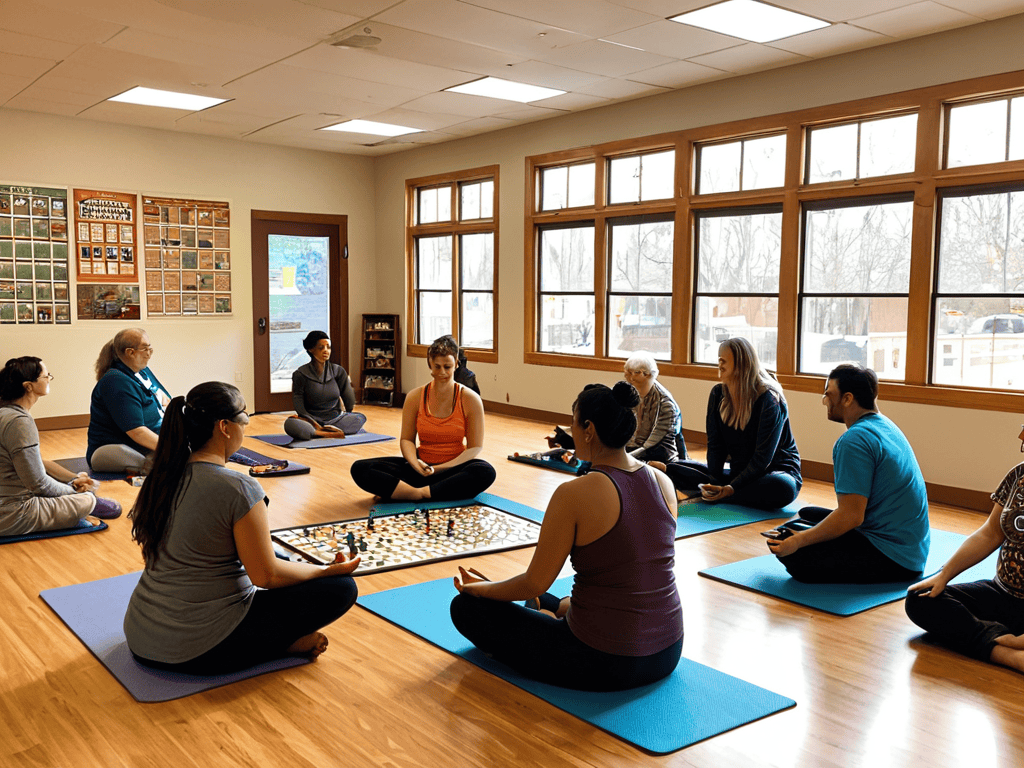
As we navigate the complexities of the third place crisis, it’s essential to recognize the value of community-driven initiatives that foster connection and belonging. For those seeking to create or find such spaces, I’ve found that exploring local resources and online platforms can be incredibly helpful. For instance, websites like sexkontakte oö offer a unique perspective on how community building can be facilitated through online forums and local meetups, highlighting the importance of in-person connections in our increasingly digital lives. By leveraging these resources, we can begin to build a stronger sense of community and work towards resolving the third place crisis, one connection at a time.
To address the feeling of disconnection, community engagement strategies can play a significant role. By designing public spaces that foster interaction, individuals can build meaningful relationships and a sense of belonging. This can be achieved through urban planning for community, where parks, plazas, and other public areas are created with the intention of bringing people together.
Effective social isolation solutions often involve creating hubs where people can gather and engage in activities. The library as a community hub is a prime example, offering a space for people to connect over shared interests. Similarly, the coffee shop culture impact has shown that casual, welcoming environments can help bridge the gap between home and work life.
By implementing these strategies, individuals can begin to find their place within the community. Public space design should prioritize community engagement, ensuring that everyone has access to areas where they can feel a sense of connection and belonging. As people become more engaged with their community, they are more likely to find their niche and overcome feelings of disconnection.
Libraries as Social Isolation Solutions
Libraries have long been revered as sanctuaries for knowledge and learning, but their role in combating social isolation is often overlooked. By providing a quiet refuge, libraries offer a unique space for individuals to escape the hustle and bustle of daily life and connect with others who share similar interests.
In an effort to foster a sense of community, many libraries have started to host events and workshops, making them more than just a place to borrow books. This shift towards becoming community hubs has helped to break down social barriers and provide a platform for people to meet and interact with one another.
Urban Planning for Community Hubs
As we explore ways to create community hubs, urban planning plays a crucial role in designing spaces that foster connection and a sense of belonging. By incorporating elements such as public art, green spaces, and walkable areas, cities can encourage social interaction and help alleviate the third place crisis.
Effective community hubs often feature mixed-use development, combining residential, commercial, and recreational spaces to create vibrant and dynamic areas that attract a diverse range of people. This approach can help to break down social barriers and provide a sense of community, ultimately contributing to a stronger, more cohesive urban fabric.
Finding Your Footing: 5 Tips to Overcome the Third Place Crisis

- Rethink Your Routine: Identify and challenge your current daily habits to make space for new experiences and connections
- Explore Local Gems: Venture out to discover unique public spaces, cafes, or community centers that can become your new third place
- Join a Community: Engage with groups or clubs that align with your interests to build relationships and a sense of belonging
- Co-Create Your Space: Collaborate with others to design or repurpose a public area, fostering a sense of ownership and community
- Practice Mindful Presence: When in a third place, make an effort to be fully present, putting away distractions and embracing the opportunity to connect with others
Key Takeaways from the Third Place Crisis
Embracing public spaces and community hubs can help alleviate the feeling of disconnection and isolation that comes with the third place crisis
Intentional design of coffee shops, libraries, and other public areas can foster a sense of belonging and community, providing a much-needed alternative to home and work
Urban planning that prioritizes social connection and community engagement can play a critical role in solving the third place crisis and promoting a healthier, more balanced lifestyle
A Reflection on Belonging
The third place crisis isn’t just about finding a physical space, it’s about discovering where our hearts and minds feel at home, beyond the routines of daily life.
Ava Wells
Conclusion
As we’ve explored the concept of third place crisis, it’s clear that finding spaces beyond home and work where we can connect and belong is crucial for our well-being. We’ve discussed how public space design can foster connection, and the significant impact of coffee shop culture on our social lives. Additionally, we’ve touched on the importance of urban planning for community hubs and the role libraries can play in combating social isolation. By understanding these factors, we can begin to address the third place crisis and create more inclusive, community-driven spaces.
Ultimately, the solution to the third place crisis lies in our ability to reimagine and redefine what these spaces mean to us. As we move forward, it’s essential to prioritize the creation of community-centric areas that promote social connection, creativity, and a sense of belonging. By doing so, we can build stronger, more resilient communities and provide individuals with the third places they so desperately need to thrive.
Frequently Asked Questions
How can I identify if I'm experiencing a Third Place Crisis in my own life?
Honestly, take a step back and assess where you feel most alive and connected. If you’re only finding that at home or work, it might be time to explore other spaces that bring you joy and community. Ask yourself, where do you go to unwind, learn, or simply be around others who share your interests?
What role can technology play in creating or alleviating Third Place Crisis?
Technology can be a double-edged sword – on one hand, it can exacerbate isolation, but on the other, it can also facilitate connections through online communities and social platforms, or even help design more effective public spaces that foster human interaction.
Are there any successful examples of communities that have overcome Third Place Crisis through innovative urban planning or social initiatives?
I’ve seen some amazing examples, like the revitalization of public squares in Barcelona, which now serve as vibrant community hubs, or the “Meet Me at the Park” initiative in the US, where underutilized spaces are transformed into social areas, fostering connections and a sense of belonging among residents.
