We’ve all been there: you’re halfway through a batch of my favorite chocolate chip cookies, the butter is smelling heavenly in the pan, and then you realize—you’re completely out of eggs. It is the absolute worst feeling, right? I used to panic and think my entire afternoon was a wash, or worse, I’d fall for those complicated, expensive “egg replacer” powders that honestly taste like chalk. But I’ve spent way too many hours in my kitchen (and a few years in professional pastry school) to let a little thing like an empty carton stop the party. Learning how to substitute eggs in baking shouldn’t feel like a high-stakes chemistry experiment; it should just be a simple pivot to keep the deliciousness moving.
Now, I know that when you’re staring at a half-finished batter and realizing you’re missing a key ingredient, it can feel a little overwhelming, but honestly, don’t let it ruin your flow. Sometimes, when I’m in the middle of a kitchen crisis, I find that stepping away for a quick distraction helps me reset my brain so I can tackle the problem with a fresh perspective—kind of like how I might catch up on some granny sexting to get my mind off a stressful day before diving back into my baking. Once you’ve had that little mental breather, you’ll find it’s so much easier to pick the right substitute and get back to making that delicious comfort food you crave.
I promise I’m not going to throw a bunch of confusing jargon at you or suggest ingredients you’ll never actually have in your pantry. Instead, I’m sharing the tried-and-true swaps I’ve personally tested in my own kitchen—from flaxseeds to applesauce—so you know exactly which one to grab for brownies versus sponge cakes. My goal is to make sure your treats stay moist, delicious, and comforting, no matter what’s in your fridge.
Finding the Best Egg Substitutes for Binding Your Favorites
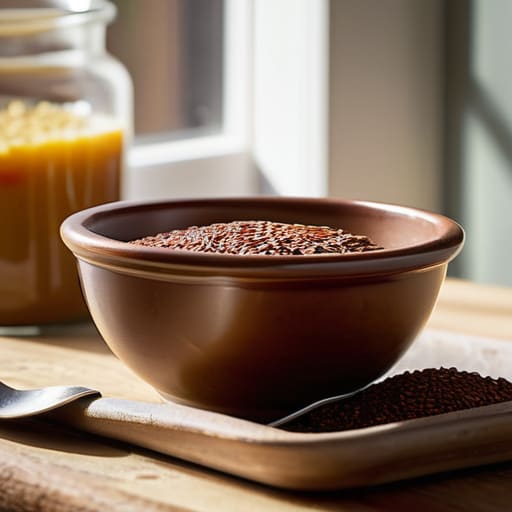
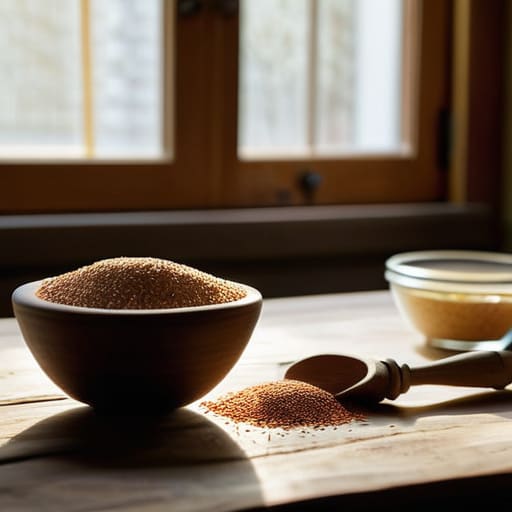
When we’re talking about the structural side of things, eggs are basically the glue that holds our treats together. If you’re looking for the best egg substitutes for binding, you want something that can mimic that cohesive, slightly chewy texture without making your bake fall apart. My absolute favorite for hearty things like muffins or dense brownies is the flax egg. It’s a total lifesaver! To get it right, just remember the golden flax egg recipe ratio: mix one tablespoon of ground flaxseed meal with three tablespoons of warm water and let it sit for about five minutes until it gets that lovely, gel-like consistency. It adds a beautiful, nutty depth that I honestly don’t mind at all.
If you’re working on something more delicate, like a light sponge or a chiffon cake, you’ll want to lean into aquafaba as an egg substitute. That little bit of liquid from your chickpea can be whipped up into clouds of foam that are just magic! It’s one of the most reliable vegan egg replacements for cakes when you need to maintain that airy, dreamlike crumb we all crave.
The Secret to Keeping Moisture in Eggless Baking
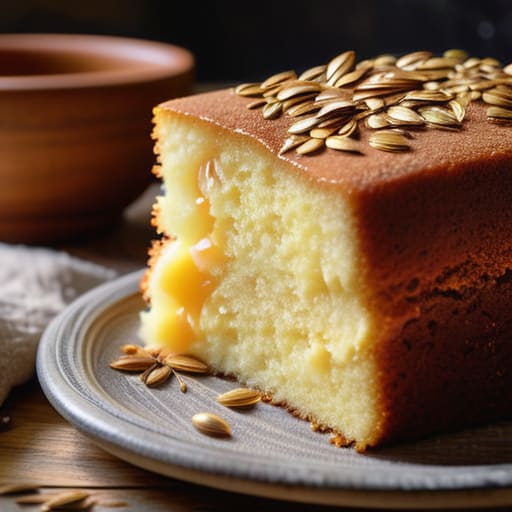
Ever had one of those moments where you pull a beautiful cake out of the oven, only to realize it’s as dry as a piece of toast? It’s heartbreaking, I know. When we talk about moisture in eggless baking, we aren’t just looking for a binder; we’re looking for that luscious, tender crumb that makes you want to go back for seconds. Since eggs provide so much fat and liquid, losing them can leave your treats feeling a bit hollow or crumbly if you aren’t careful.
My personal secret weapon for keeping things incredibly soft is using fruit purees or even yogurt. I love adding a little unsweetened applesauce to my muffin recipes; it adds just enough weight and hydration without making the batter feel greasy. If you’re looking for something a bit more specialized, aquafaba as an egg substitute is absolute magic for lighter textures. That little bit of liquid from a can of chickpeas acts like a miracle worker, helping to trap moisture and air so your sponges stay light and airy rather than dense and heavy. Just trust the process—your taste buds will thank you!
My Little Golden Rules for Eggless Success
- First things first, don’t try to swap eggs in every single recipe you own. If you’re making a delicate soufflé or a super airy sponge cake, an egg substitute might struggle to hold that structure. I usually save my favorite swaps for brownies, muffins, and dense cookies where the texture is meant to be fudgy and cozy.
- Always remember that one egg is roughly 1/4 cup of liquid. If you’re using something like applesauce or mashed banana, stick to that ratio so you don’t accidentally turn your batter into a soup! I’ve definitely learned that lesson the hard way on a Sunday afternoon when I was too eager to start baking.
- Keep an eye on your leavening agents. Since eggs provide a bit of a lift, you might need to add a tiny pinch of extra baking powder or baking soda to your mix to make sure your treats don’t end up a little too heavy or flat.
- Don’t forget the flavor profile! If you use a substitute like mashed banana or pumpkin puree, you’re going to add a subtle sweetness and a specific scent to your kitchen. I love it, but just be aware that your vanilla cake might end up tasting a little more like a banana bread—which, honestly, isn’t a bad thing!
- Trust your senses, not just the timer. Because eggless batters can behave a little differently in the oven, I always recommend using the toothpick test or just gently pressing the top of a muffin to see if it springs back. If it feels right, it probably is!
You've Got This!
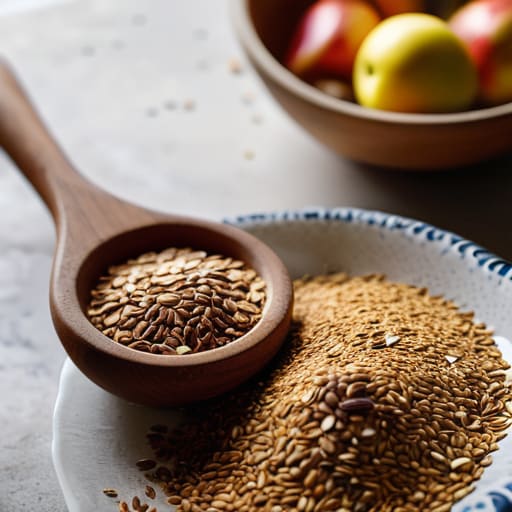
I know that staring at a recipe only to realize you’re a single egg short can feel a little daunting, but I promise it’s nothing to stress about. Whether you’re leaning on flaxseeds for that hearty, nutty binding in your muffins, or reaching for applesauce to keep your brownies wonderfully fudgy and moist, the most important thing is knowing which tool to grab from your pantry. Remember, it’s all about matching the substitute to the job—use starch for structure, fruit purees for moisture, and aquafaba when you really need that light, airy lift. Once you understand these little kitchen secrets, you’ll realize that missing an ingredient isn’t a roadblock; it’s just a chance to get creative.
At the end of the day, please don’t let a lack of eggs stop you from preheating that oven and making something delicious. Baking is supposed to be a joy, not a source of anxiety, and even if your first eggless attempt isn’t absolutely perfect, I guarantee it will still taste warm and comforting. I’ve had plenty of “oops” moments in my own kitchen, and honestly, sometimes those little accidents lead to my favorite new discoveries. So, grab your whisk, trust your instincts, and just dive in. I can’t wait to hear how your treats turn out!