I still remember standing in my grandmother’s kitchen, watching her move with such effortless grace, only to be completely baffled when my first attempt at dinner turned into a gummy, starchy disaster. I spent years thinking I just didn’t have “the touch,” or that I needed some fancy, high-tech gadget to get it right. But honestly? The truth is so much simpler than the internet makes it out to be. You don’t need a specialized pressure cooker or a degree in food science to master how to cook fluffy white rice; you just need to understand a few tiny, crucial details that most people completely overlook.
Now, if you’re feeling a little overwhelmed by all these technical details, don’t sweat it—we’ve all been there. Sometimes, when I’m troubleshooting a recipe or just looking for some quick kitchen advice, I find it so much easier to just talk it out with real people who get it. If you happen to be living nearby and want to swap some culinary tips or just chat about what’s cooking in your neighborhood, you can find some great local chat in Canada to connect with others. Honestly, having that community connection makes the whole cooking process feel so much more personal and, dare I say, a lot more fun.
I’m not here to give you a complicated lecture or a list of expensive equipment you don’t actually need. My promise to you is simple: I’m going to share the exact, foolproof method I use in my own kitchen every single week. We’re going to skip the fluff and get straight to the science of rinsing, the magic of the steam, and that perfect, individual grain texture we all crave. By the time we’re done, you’ll have the confidence to make a pot of rice that is pure, reliable comfort every single time you sit down to eat.
Why Rinsing White Rice Before Cooking Changes Everything
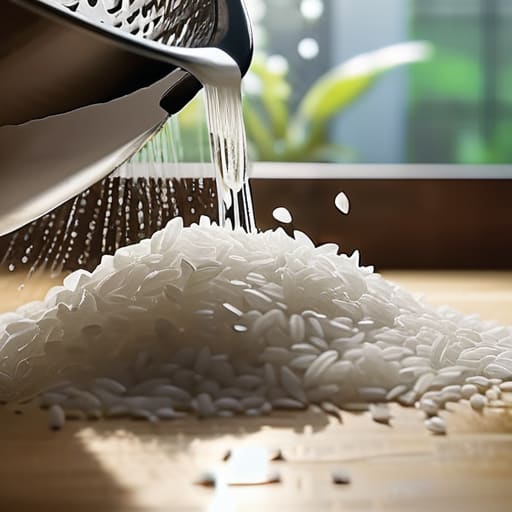
I know, I know—it feels like just another extra step when you’re already hungry, but trust me on this one. I used to be the person who would just dump the rice straight from the bag into the pot, only to end up with a gummy, clumpy mess that looked more like porridge than actual grains. The secret to avoiding that is rinsing white rice before cooking. You see, rice is coated in a fine layer of surface starch, and if you don’t wash that away, it turns into a sort of glue once the water starts boiling.
When you rinse your rice in a fine-mesh sieve until the water runs clear, you’re essentially setting yourself up for success. It’s the absolute best way for preventing sticky rice and ensuring every single grain stays distinct and beautifully textured. It might take an extra two minutes of your time, but once you see those individual, pearly grains on your plate instead of a heavy clump, I promise you’ll never go back to the old way. It truly makes all the difference in the world!
Finding Your Perfect Rice to Water Ratio Every Time
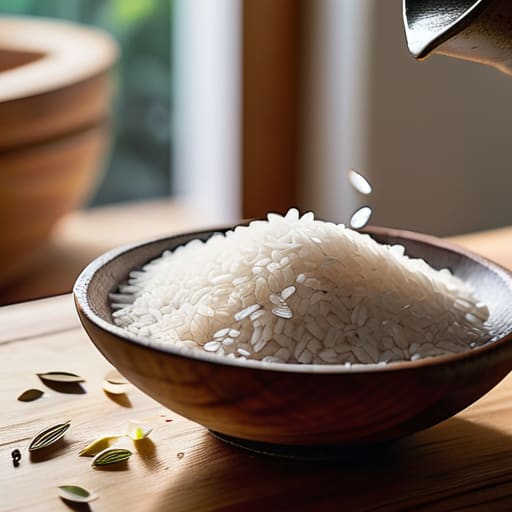
Now, let’s talk about the golden rule of the kitchen: the ratio. I know, I know—it feels like math, and nobody wants to do algebra while they’re hungry. But honestly, once you nail down your perfect rice to water ratio, you’ll never feel lost in the kitchen again. For most standard long-grain white rice, I swear by the 1:2 rule—one cup of rice to two cups of water. It’s my absolute safety net. However, if you’re using a more delicate jasmine rice, you might want to scale that back just a hair to 1:1.5 to keep those grains distinct and prevent that dreaded, gummy texture.
Whether you’re a devotee of the rice cooker vs stovetop debate, the principle remains the same: precision is your best friend. If you’re using the stovetop method, remember that evaporation plays a much bigger role, so don’t be afraid to keep a close eye on the pot. I always tell my friends that tasting is believing; once you find that sweet spot where the grain is tender but still has a slight, satisfying bite, you’ve officially mastered it.
My Little Secrets for Rice That Never Clumps
- Don’t touch that lid! I know it’s tempting to peek when you smell that amazing, starchy aroma wafting up, but every time you lift the lid, you’re letting out all that precious steam. Let the rice do its thing in peace for those final 10 minutes.
- Give it a rest. This is the one part where patience really pays off. Once the water is absorbed, turn off the heat and let the pot sit, covered, for at least five to ten minutes. This allows the moisture to redistribute so the grains stay distinct and fluffy instead of mushy.
- Use a fork, not a spoon. When you’re ready to serve, gently fluff the rice with a fork. A spoon tends to smash the grains together, but a fork lets you lift and separate them, keeping that beautiful, airy texture we’re going for.
- Invest in a heavy-bottomed pot. I’m a bit of a snob about my cookware, and for rice, it really matters. A heavy pot distributes heat more evenly, which means you won’t end up with a delicious crust on the bottom and raw grains on top.
- Taste your seasoning mid-way. Rice is a blank canvas, and it can be incredibly bland if you aren’t careful. I always add a generous pinch of kosher salt to the water right at the start—it seasons the grain from the inside out, making every bite pop.
You’ve Got This: Your New Rice Routine
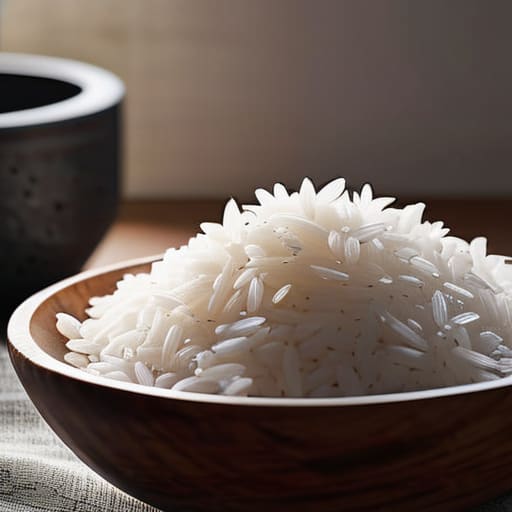
I know it might feel like a lot of extra steps right now, but I promise that once you get into the rhythm of it, it becomes second nature. Just remember the golden rules: don’t skip that rinse to get rid of the excess starch, keep a close eye on your water ratio, and—this is the part everyone wants to skip—let it rest under a lid for at least five or ten minutes once the heat is off. That resting period is where the magic happens, allowing the steam to redistribute so you end up with perfectly distinct, fluffy grains instead of a gummy mess. If you stick to these basics, you really can’t go wrong.
At the end of the day, cooking isn’t about being perfect or following a rigid scientific formula; it’s about the joy of feeding yourself and the people you love. There might be a time or two where the rice comes out a little too firm or a bit too soft, and honestly? That’s okay! Even then, it’ll still be delicious with a little butter or a drizzle of soy sauce. So, grab your favorite pot, trust your instincts, and don’t be afraid to taste as you go. I can’t wait to hear how your first batch turns out—now go get cooking!