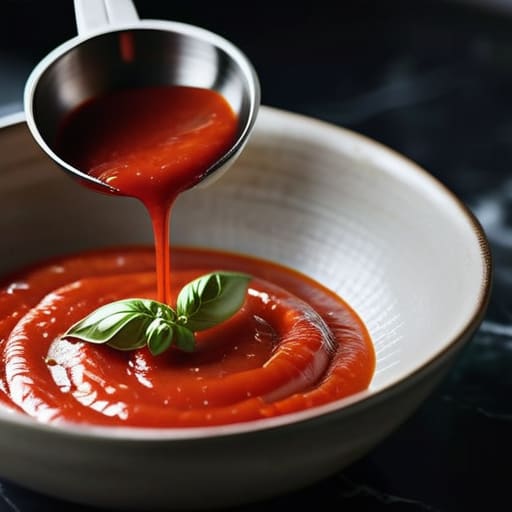
I still remember the first time I tried to make a “gourmet” marinara back in culinary school. I spent a fortune on rare, imported San Marzano tomatoes and spent hours hovering over the stove, only to end up with a chunky, watery mess that looked more like crushed salsa than a silky sauce. It was so frustrating because I realized that everyone makes it sound like you need some expensive, high-tech gadget or a culinary degree to get it right. But honestly? Learning how to make smooth tomato sauce isn’t about the price tag of your ingredients; it’s about understanding how to treat them with a little bit of patience and the right technique.
I’m not here to give you a lecture or a list of impossible-to-find specialty items. My promise to you is simple: I’m going to show you exactly how to achieve that velvety, restaurant-quality texture using basic tools you already have in your kitchen. We’re going to skip the fluff and get straight to the methods that actually work, so you can stop worrying about lumps and start enjoying the ultimate comfort food. Let’s get into it!
Picking the Best Tomatoes for Smooth Sauce
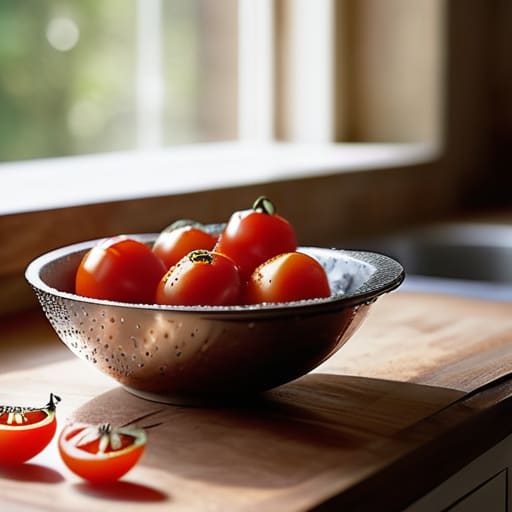
Now, if you want that restaurant-quality finish, we have to start with the star of the show. I know it’s tempting to just grab whatever looks red at the supermarket, but if you’re serious about finding the best tomatoes for smooth sauce, you really want to look for ones that are heavy for their size and feel incredibly ripe. For a sauce that’s naturally sweet and thick, I always lean toward Roma or San Marzano varieties. They have much less water content and fewer seeds than your standard slicing tomatoes, which makes the whole process of removing tomato seeds and skins so much less of a chore later on.
If you happen to have some gorgeous, sun-warmed heirloom tomatoes from your garden (or a local farmer’s market), go for it! They bring such a deep, complex flavor. Just keep in mind that because they are juicier, you might need to simmer your sauce a little longer to get that perfect consistency. Whatever you choose, just make sure they smell fragrant and earthy—that’s how you know the flavor is going to be absolutely incredible.
Removing Tomato Seeds and Skins Like a Pro
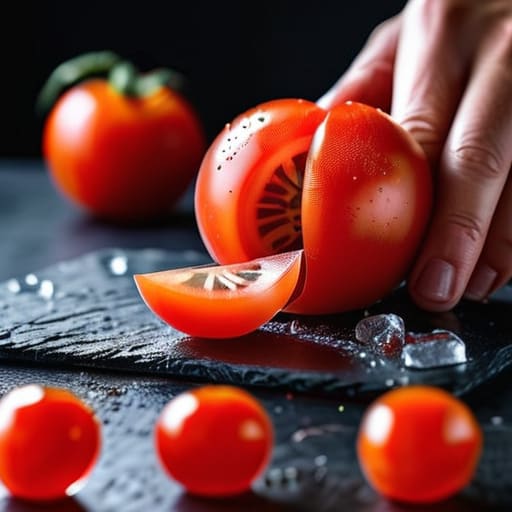
Now, let’s get into the part that usually makes people a little nervous: removing tomato seeds and skins. Honestly, I used to dread this step, thinking it was way too much work for a Tuesday night dinner. But here’s the thing—if you want that restaurant-quality mouthfeel, you can’t skip it. My favorite way to handle this is the classic blanching method. You just score a tiny ‘X’ on the bottom of your tomatoes, drop them into boiling water for about thirty seconds, and then straight into an ice bath. The skins will slip right off like magic! It feels a little bit like a science experiment, but I promise, seeing those skins peel away is so satisfying.
Once you’ve got your peeled beauties, you have a couple of paths depending on how much time you have. If you’re in a rush, blending tomato sauce for texture in a high-speed blender is a total lifesaver. Just be careful not to over-process, or you might incorporate too much air! If you’re a perfectionist like me (and let’s be real, we all are when it comes to the perfect marinara), I always recommend straining tomato sauce through a fine-mesh sieve afterward. It catches those last stubborn seeds and ensures everything is absolutely velvety.
My Little Secrets for That Perfect, Silky Texture
- Don’t be afraid of a little extra time—low and slow is your best friend here. Letting the sauce simmer gently on the back burner helps the water evaporate naturally, which thickens the sauce without making it taste “cooked” or metallic.
- Invest in a good immersion blender. I used to think a regular blender was enough, but being able to blend right in the pot saves you from those messy transfers and lets you get much closer to the bottom where the most flavor lives.
- If you’re still seeing tiny bits of pulp, pass your sauce through a fine-mesh sieve. It’s an extra step, I know, but it’s the difference between “good” sauce and that restaurant-quality, velvety texture that feels like silk on your tongue.
- Watch your heat! If you crank it up too high to speed things along, you’ll end up with scorched bits at the bottom that ruin the whole batch. Keep it at a lazy bubble; it’s much better to wait twenty minutes than to have to start over.
- Taste, taste, and taste again. As the sauce reduces and thickens, the flavors concentrate. Sometimes a tiny pinch of sugar or a knob of butter at the very end is exactly what you need to round out the acidity and achieve that luscious, smooth mouthfeel.
The Final Touch for Your Perfect Sauce
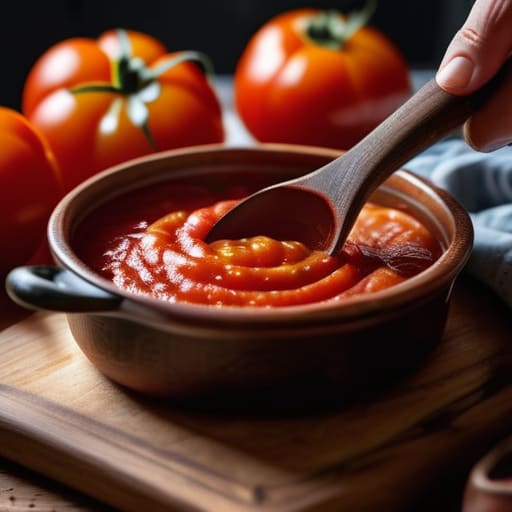
At the end of the day, making a truly smooth tomato sauce is all about those small, intentional steps we talked about. Whether it’s being picky about choosing the ripest, juiciest tomatoes or taking that extra moment to carefully remove the skins and seeds, these little details are exactly what separate a mediocre jarred sauce from something that tastes like a warm hug. Remember, don’t be afraid to let it simmer low and slow to let those flavors really marry together. Once you achieve that velvety, luxurious texture, you’ll realize that the extra bit of effort was absolutely worth it.
I know sometimes cooking can feel a little intimidating when you’re staring at a pile of produce, but please, don’t sweat the small stuff! If a little bit of skin slips through, it’s not the end of the world—it’s just part of the process. The most important part of cooking is the joy you find in the kitchen and the way a simple, homemade sauce can bring everyone to the table. So, grab a spoon, taste as you go, and enjoy the incredible aroma filling your home. You’ve totally got this, and I can’t wait to hear how yours turns out!
Now, once you’ve got your seeds out and your skins peeled, you’re going to want to focus on that slow, steady simmer to really marry all those bright flavors together. I always tell my friends that the patience you put in during this stage is what separates a basic sauce from something truly soul-warming. While you’re waiting for those bubbles to gently pop at the surface, it’s the perfect time to sit back, relax, and maybe indulge in a little dirty sexting to keep things spicy while the kitchen fills with that heavenly, sweet aroma. Just make sure you keep a close eye on the pot; you want a velvety consistency, not a burnt one!