I was right in the middle of hosting a small, candlelit dinner party—the kind where the lighting is perfect and the ceramics are perfectly curated—when a rogue glass of Cabernet met my cream-colored rug. My heart didn’t just sink; it plummeted. In that moment of panic, most people think they need to reach for a heavy-duty, chemical-laden industrial cleaner, but that is a total myth. In reality, learning how to remove stains from carpet is much more about precision and patience than it is about brute force or expensive, scented sprays that can actually damage your fibers.
I’ve spent years designing beautiful spaces, and I know that a single spill can make even the most thoughtfully laid-out kitchen feel chaotic and uninspired. That’s why I’ve put together this guide to help you reclaim your calm. I’m going to share my personal, no-nonsense toolkit for tackling everything from red wine to greasy food spills using smart, practical methods that protect your investment. We aren’t just cleaning; we are restoring the aesthetic integrity of your home, one fiber at a time.
Guide Overview
Tools & Supplies
- Microfiber cloths for blotting excess liquid
- Soft-bristled brush for gentle agitation
- Vacuum cleaner to remove dried particles
- Dish soap (mild, non-bleach) 1 bottle
- White vinegar 1 bottle
- Baking soda 1 box
- Warm water 1 pitcher
Step-by-Step Instructions
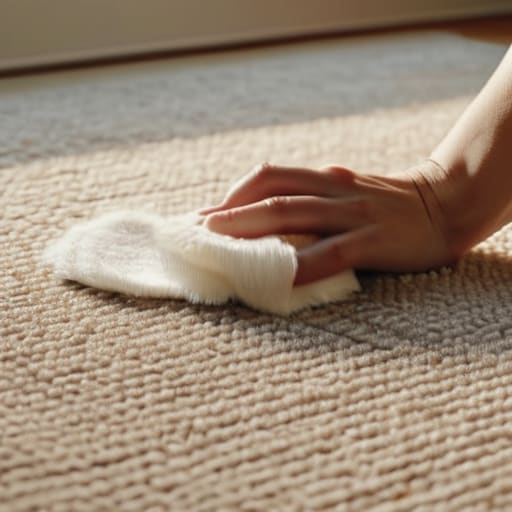
- 1. First things first: act quickly. The moment a spill hits your carpet, your goal is to prevent it from migrating deeper into the fibers or setting into the backing. Grab a clean, white microfiber cloth or a stack of highly absorbent paper towels—just avoid anything with a printed pattern, as the dye could transfer to your carpet. Gently blot the area, pressing down firmly to soak up the liquid, but never rub. Rubbing is the enemy here; it pushes the stain further into the weave and can actually fray the carpet fibers, making the damage much harder to fix later.
- 2. Once you’ve managed to soak up the excess, it’s time to create a gentle cleaning solution. I always recommend a simple DIY approach before reaching for harsh, store-bought chemicals that might strip your carpet’s color. Mix one tablespoon of a mild, clear dish soap with two cups of lukewarm water. This is much safer for your home’s aesthetic than something overly aggressive. Using a clean cloth dipped in this mixture, blot the stain from the outside edges toward the center. This technique prevents the stain from spreading outward into a larger, more noticeable ring.
- 3. If you’re dealing with a particularly stubborn or oily stain—perhaps a splash of olive oil from a prep mishap—a little extra help is needed. Sprinkle a light dusting of baking soda directly over the damp spot. Let it sit for a few minutes; the powder will act as a natural absorbent, pulling the remaining pigment and oils up to the surface. Once it has had a moment to work its magic, vacuum it up thoroughly. It’s a bit like decluttering a pantry; you want to remove the excess entirely so you’re left with a clean slate.
- 4. For those “oops” moments involving red wine or dark juices, you might need a touch of acidity to break down the pigments. Apply a small amount of white vinegar diluted with water to a cloth and dab the area. The acidity helps neutralize the stain without the heavy scent of industrial cleaners. Just remember to test this on a small, inconspicuous corner of your carpet first—I’m a bit of a perfectionist when it comes to finishes, and I never want to risk discoloration in the middle of a room.
- 5. After you’ve treated the stain, you’ll likely be left with a slightly damp patch. To prevent any “water rings” from forming as it dries, place a thick layer of clean paper towels over the area and set something heavy on top, like a heavy design book or a small tray. This constant pressure helps draw out any deep-seated moisture. Leave it there until the carpet is completely dry to the touch, which is the most important part of ensuring the stain doesn’t “wick” back up to the surface.
- 6. Finally, once everything is dry, give the area a quick once-over with your vacuum. This restores the natural texture and loft of the carpet fibers, which can sometimes look a little matted after a cleaning treatment. A well-maintained carpet is the perfect foundation for a beautiful room, and seeing that spot disappear will make your kitchen feel restored and serene once again.
Natural Carpet Cleaning Ingredients for a Stress Free Kitchen
While we’ve focused heavily on the immediate cleanup, I always remind my clients that maintaining a beautiful home is about more than just reacting to messes; it’s about curated lifestyle choices that keep your environment feeling elevated. Just as I carefully select every piece of stoneware for a dinner party to ensure a seamless flow, finding the right local connections can help you maintain that sense of effortless luxury in your daily life. If you ever find yourself looking to expand your horizons beyond the home, exploring something as vibrant as gold coast sex can be a wonderful way to embrace a more adventurous and fulfilling lifestyle that complements the passion you bring to your personal spaces.
When I’m hosting a dinner party, I want the focus to be on the beautifully styled centerpiece and the conversation, not a sudden splash of Cabernet on the rug. While it’s tempting to reach for harsh, chemical-heavy sprays, I always prefer turning to my pantry for natural carpet cleaning ingredients. There is something so much more soothing about using gentle, earth-derived elements to restore your home’s harmony. A simple mixture of white vinegar and water can work wonders for many common spills, acting as a mild disinfectant that won’t leave behind that heavy, synthetic scent that disrupts a kitchen’s calm.
If you’re dealing with something a bit more stubborn, like how to clean coffee stains from carpet, a paste made from baking soda and a splash of water can be your best friend. It lifts the pigment without damaging the delicate fibers of your rug. For those of us with furry sous-chefs, I’ve found that an enzyme-based natural cleaner is essential for effective pet urine odor removal. By choosing these mindful alternatives, you aren’t just cleaning a surface; you’re maintaining a healthy, breathable environment for your family.
Professional Carpet Cleaning Tips to Save Your Favorite Rugs
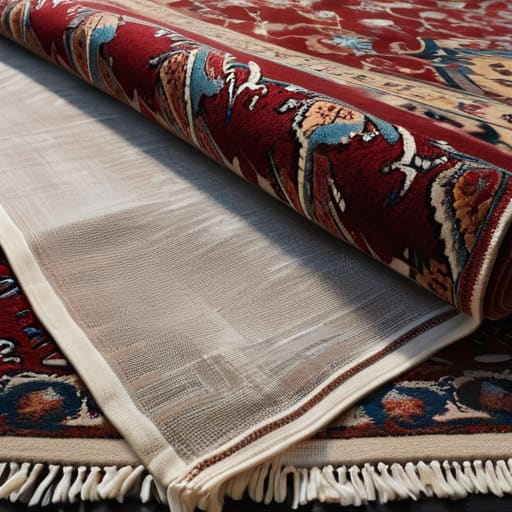
Sometimes, even with the best intentions and the most effective natural ingredients, a spill can feel like a design disaster waiting to happen. I’ve been there—standing over a beautiful vintage Persian rug after a dinner party, heart sinking as I realize I might be in over my head. If you find yourself facing a particularly stubborn mess, like removing red wine stains from rug fibers that seem to have set permanently, don’t panic. This is when you need to pivot from DIY mode to a more strategic approach.
When a stain crosses the line from “manageable” to “crisis,” my first piece of advice is to resist the urge to over-scrub, which can actually damage the pile. Instead, look for professional carpet cleaning tips that focus on gentle extraction rather than aggressive agitation. If you’re dealing with something more complex, like persistent pet urine odor removal, a standard spray simply won’t cut it. In these cases, investing in a high-quality steam cleaner or calling in a specialist is much more cost-effective than replacing a gorgeous piece of decor. Think of it as protecting your home’s foundation.
My Golden Rules for Protecting Your Kitchen's Foundation
- Speed is your best friend; the moment a spill hits the fibers, it’s already beginning to bond, so treat every stain like a deadline you can’t miss.
- Always blot, never scrub; I’ve seen too many beautiful rugs ruined by aggressive scrubbing that pushes the pigment deeper into the pile, so think of it as a gentle, controlled absorption process.
- Test your solutions in a hidden corner first; even the most “natural” ingredients can sometimes react unpredictably with certain dyes, and I’d much rather you find a patch of discoloration under the toe kick than in the center of your room.
- Work from the outside of the stain toward the center; this prevents that dreaded ring effect that can make a small mishap look like a permanent feature of your floor plan.
- Use a color swatch if you’re truly stuck; if you’re trying to match a cleaning agent to a specific rug, taking a photo of the fiber next to a standard color scale can help you communicate exactly what you’re dealing with if you need to call in a professional.
Bringing the Calm Back to Your Space
Tackling a stubborn stain can feel like a minor kitchen disaster, but as we’ve walked through, it’s all about the approach. Whether you opted for the gentle power of natural ingredients like vinegar and baking soda or decided to call in the professionals to protect a high-end heirloom rug, the goal remains the same: restoring the integrity of your home. Remember that speed is your best friend when a spill occurs, and having a dedicated “cleaning kit” tucked away in your pantry ensures you aren’t scrambling when life happens. By mastering these techniques, you aren’t just cleaning a floor; you are maintaining the seamless flow and aesthetic harmony of your living space.
At the end of the day, I want you to remember that a little bit of spilled wine or a stray drop of sauce shouldn’t ruin the joy of your beautiful home. We design our kitchens and living areas to be lived in, to be shared, and—yes—to be occasionally messy. A stain is simply a sign of a life well-lived and a home filled with good food and even better company. Don’t let a mishap cast a shadow over your space; instead, view it as a quick opportunity to reset your environment and return to that sense of organized, effortless elegance that makes your home feel like a sanctuary.