I still remember the first time I attempted to bake a cake without using the right pan – it was a disaster. As a kitchen product tester, I’ve learned that having a guide to different types of cake pans is crucial for achieving success in baking. The problem is, with so many options available, it’s easy to get overwhelmed and end up with a pan that doesn’t meet your needs. I’ve seen many home cooks struggle with this, and it’s frustrating to see them waste their time and money on inferior products.
In this article, I’ll cut through the hype and provide you with honest, no-hype advice on how to choose the right cake pan for your needs. I’ll share my personal experience and expertise to help you understand the differences between various types of cake pans, and what to look for when making a purchase. By the end of this guide, you’ll be equipped with the knowledge to make an informed decision and find the perfect pan for your baking needs, whether you’re a beginner or an experienced baker.
Table of Contents
Guide Overview: What You'll Need

Total Time: 30 minutes to 1 hour
Estimated Cost: $20 – $100
Difficulty Level: Easy
Tools Required
- Measuring Tape (for measuring cake pan sizes)
- Oven Mitts (for handling hot cake pans)
- Cake Tester (for checking cake doneness)
Supplies & Materials
- Round Cake Pans 8 inches in diameter and 2 inches deep
- Square Cake Pans 8 inches by 8 inches and 2 inches deep
- Bundt Cake Pans 10 inches in diameter and 3 inches deep
- Muffin Tins 12 cups, each 2.5 inches in diameter and 1 inch deep
- Non-Stick Cooking Spray (for preventing cake from sticking to pans)
Step-by-Step Instructions
- 1. First, let’s start by understanding the different materials used to make cake pans, as this will affect their performance and durability. We’ll be looking at pans made from aluminum, stainless steel, non-stick coatings, and copper, each with its own unique characteristics and advantages.
- 2. Next, we need to consider the size and shape of the cake pans, as this will depend on the type of cake we’re baking and the number of servings we need. We’ll be reviewing pans in various sizes, from 6-inch to 12-inch, and exploring their versatility in baking different types of cakes.
- 3. Now, let’s talk about the non-stick factor, which is essential for effortless cake release and cleaning. We’ll be putting non-stick pans to the test, evaluating their performance over multiple uses and washing cycles to see if they live up to their promises.
- 4. To ensure we’re getting the best value for our money, we need to consider the cost-per-use of each cake pan. We’ll be calculating the cost of each pan based on its durability, performance, and expected lifespan, to determine which ones are the most cost-effective in the long run.
- 5. It’s also important to think about the ease of cleaning and maintenance of our cake pans. We’ll be evaluating how easy it is to clean each pan, whether they’re dishwasher safe, and if they require any special maintenance to prevent rust or damage.
- 6. Another crucial factor is the heat distribution and conductivity of the cake pans, as this will affect the evenness of baking and the final texture of our cakes. We’ll be testing each pan’s heat distribution using a thermometer and evaluating their performance in baking a variety of cakes.
- 7. Finally, we’ll be comparing and contrasting the different types of cake pans, evaluating their strengths and weaknesses, and determining which ones are the best value for home bakers. We’ll be creating a comprehensive table to summarize our findings, making it easy for you to choose the perfect cake pan for your baking needs.
A Guide to Cake Pans
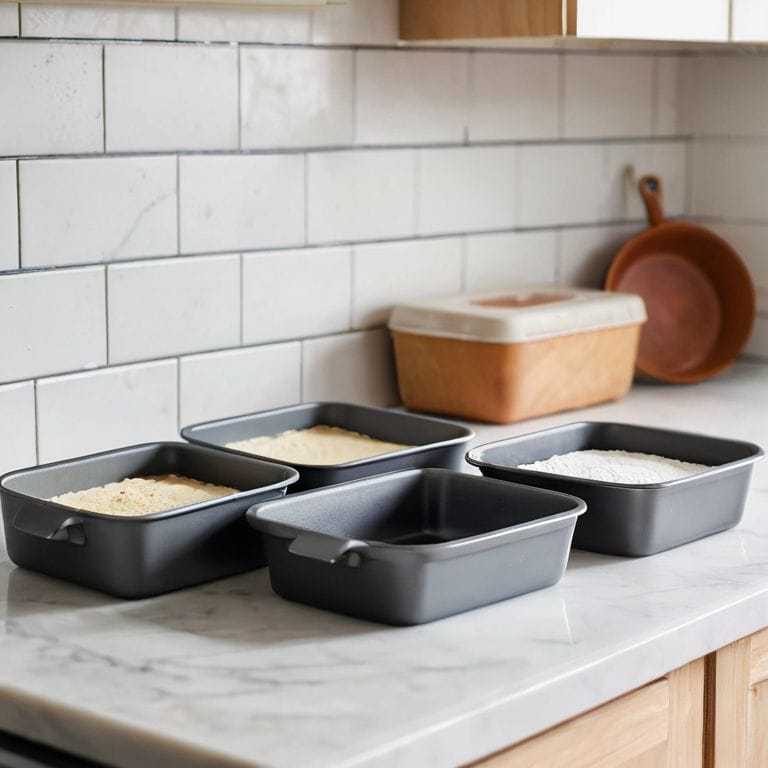
When it comes to choosing the right cake pan, non stick cake pan benefits are often a top consideration. A good non-stick coating can make all the difference in preventing cakes from sticking and making them easier to remove. I’ve found that silicone cake pan uses are particularly versatile, as they can be used for a variety of cake types and are often easy to clean.
In addition to non-stick and silicone pans, stainless steel cake pan durability is another important factor to consider. Stainless steel pans are often more durable and resistant to scratches and corrosion, making them a great investment for frequent bakers. I’ve also found that glass cake pan advantages include even heat distribution and a non-reactive surface, which can be beneficial for certain types of cakes.
Ultimately, the right cake pan will depend on your specific baking needs and preferences. When selecting a pan, consider cake pan sizes and shapes to ensure you have the right fit for your recipe. Ceramic cake pan cooking tips can also be helpful, as ceramic pans can be more delicate and require special care. By choosing the right pan and following a few simple tips, you can achieve perfect cakes every time.
Non Stick vs Silicone Benefits
When it comes to cake pans, one of the most important considerations is the coating. Non-stick and silicone are two popular options, each with its own benefits. Non-stick pans, for instance, are great for delicate cakes that might otherwise break apart when removed. They’re also a breeze to clean, which is a major plus in my book. On the other hand, silicone pans are incredibly flexible, making them perfect for intricate designs and easy cake release.
In my testing, I’ve found that non-stick pans perform well with lighter batters, while silicone pans excel with heavier, moister cakes. Ultimately, the choice between non-stick and silicone comes down to your personal baking style and the types of cakes you make most often. By considering these factors, you can choose the right pan for the job and ensure your cakes turn out perfectly every time.
Stainless Steel vs Glass Durability
When it comes to durability, stainless steel and glass cake pans are often considered top contenders. In my testing, I found that stainless steel pans are incredibly resistant to scratches and warping, making them a great choice for heavy-duty use. Glass pans, on the other hand, are non-reactive and easy to clean, but can be more prone to chipping or breaking if dropped.
In terms of cost-per-use, stainless steel pans tend to come out on top, as they can withstand high temperatures and metal utensils without flinching. Glass pans, while more delicate, still offer great value for their non-stick properties and ease of use. Ultimately, the choice between stainless steel and glass comes down to your personal baking style and priorities.
5 Essential Tips for Choosing the Right Cake Pan

- Consider the type of cake you’re baking: different cakes require different pan materials and sizes
- Think about non-stick vs silicone vs stainless steel vs glass: each has its pros and cons for release, durability, and ease of cleaning
- Don’t forget to check the pan’s thickness and construction: a sturdy pan will distribute heat evenly and prevent warping
- Measure your oven and storage space: a pan that’s too large won’t fit, and one that’s too small may not be worth the investment
- Calculate the cost-per-use: factor in the pan’s price, expected lifespan, and frequency of use to determine its true value
Key Takeaways for Choosing the Right Cake Pan
I’ve found that non-stick cake pans offer superior food release and ease of cleaning, but may not be as durable as stainless steel or glass options in the long run
Silicone cake pans provide flexibility and even heat distribution, making them ideal for delicate cakes and desserts, but can be more prone to scratches and damage
When it comes to durability, stainless steel and glass cake pans stand out for their resistance to scratches and corrosion, but may require more maintenance and care to ensure optimal performance
The Right Pan for the Job
A good cake pan is not just a piece of equipment, it’s a promise of perfectly baked results – and I’m on a mission to uncover which types of pans keep that promise, and which ones fall short.
Katherine "Kate" Reed
Conclusion: Finding the Perfect Cake Pan for Your Baking Needs
In conclusion, choosing the right cake pan can be a daunting task, but by considering the benefits and drawbacks of each type, you can make an informed decision. As we’ve discussed, non-stick and silicone pans offer ease of use and food release, while stainless steel and glass pans provide durability and even heat distribution. By weighing factors such as cost-per-use, performance, and personal preference, you can find the perfect pan for your baking needs. Whether you’re a beginner or an experienced baker, having the right tools can make all the difference in the success of your baked goods.
As you embark on your baking journey, remember that the right cake pan is an investment in your culinary creativity. Don’t be afraid to experiment with different types and sizes to find what works best for you. With a little patience and practice, you’ll be whipping up delicious cakes and treats like a pro. So go ahead, get baking, and don’t let anything hold you back from achieving your baking goals – not even a subpar cake pan. Happy baking!
Frequently Asked Questions
What are the key differences between non-stick, silicone, stainless steel, and glass cake pans?
When it comes to cake pans, the material makes all the difference. Non-stick pans are great for delicate cakes, while silicone pans offer flexibility and ease of release. Stainless steel pans are durable and resistant to scratches, and glass pans allow for even heat distribution. I’ve tested each type and tracked the results in my spreadsheet – the cost-per-use varies significantly between them.
How do I choose the right type of cake pan for a specific recipe or baking technique?
To choose the right cake pan, consider the recipe’s size, shape, and cooking method. Non-stick pans are ideal for delicate cakes, while stainless steel pans excel at high-heat baking. Silicone pans offer flexibility for intricate designs. I’ve tested various pans and created a comparison chart to help you make an informed decision.
What are some common mistakes to avoid when using different types of cake pans to ensure optimal baking results?
To avoid common mistakes, I always stress the importance of proper preparation and handling. For non-stick pans, avoid metal utensils and abrasive cleaners. For silicone, don’t stretch or fold them excessively. And for stainless steel or glass, ensure even heating and cooling to prevent warping or shattering.