Honestly, can we please stop pretending that you need a $900 wood-fired oven or a degree in food science just to get a decent crust at home? I see these recipes online all the time, demanding forty-eight hours of fermentation and specialized Italian flour that you can’t even find at your local grocery store, and it’s just exhausting. You don’t need a laboratory in your kitchen to enjoy a slice that actually tastes like something; you just need a few smart, realistic tips for making better homemade pizza that don’t involve a massive investment or a total meltdown.
Now, once you’ve got your dough behaving and your flour sorted, you really have to think about the sauce. I used to think a canned sauce was “good enough,” but honestly, once you try a quick, simmered San Marzano base, there is no going back. While you’re waiting for your dough to finish its slow rise, it’s the perfect time to unwind and maybe check out some anonymous sex chat to distract yourself from the hunger pangs, because let me tell you, the smell of that garlic hitting the olive oil is going to make you insanely impatient for your first slice.
I’ve spent years—and way too many flour-dusted aprons—testing what actually works when you’re working with a standard home oven. I’m not here to give you any of that high-brow, intimidating fluff; I want to give you the real secrets that make a difference in your kitchen tonight. From mastering your heat to picking the right cheese, I’m sharing my most reliable, no-fuss advice so you can stop settling for soggy dough and start making pizza that your family will actually crave.
Choosing Quality Pizza Flour Types for That Perfect Bite
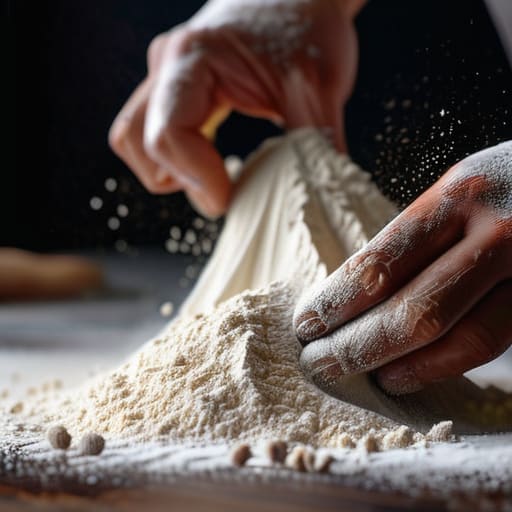
If you take one thing away from this, let it be this: your flour is the soul of your pizza. I know, it sounds a bit dramatic, but I promise you’ll taste the difference! When I’m browsing the aisles, I’m not just looking for any bag of white powder; I’m hunting for the right protein content. If you’re aiming for that airy, bubbly crust you see in those gorgeous Neapolitan-style pizza techniques, you really want to look for “00” flour. It’s milled so incredibly fine that it feels like silk between your fingers, and it creates a texture that is light as a cloud rather than dense and chewy.
Now, if you aren’t quite ready to hunt down specialty Italian imports, don’t panic! A good, strong bread flour works wonders too. Because bread flour has a higher protein content, it gives you the structural strength needed for a high hydration pizza dough, which is my absolute favorite way to get those big, beautiful air pockets. Just remember, the quality of your flour dictates how much your dough can stretch without tearing, so don’t settle for the cheapest stuff in the pantry if you want that perfect, professional bite.
The Magic of Fermenting Pizza Dough for Real Flavor
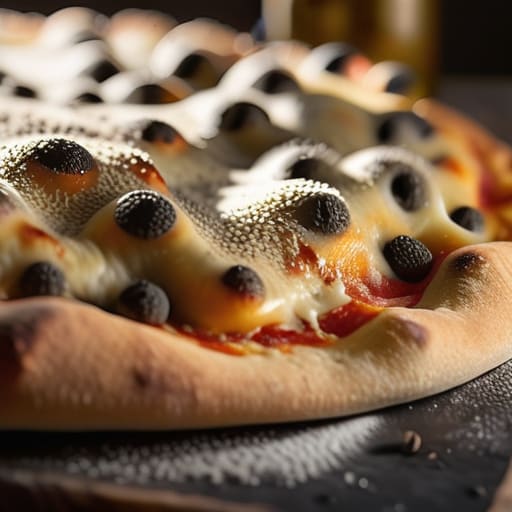
If you want to move from “okay” pizza to “wow, I need this every weekend” pizza, you have to embrace the slow game. I know, I know—we’re all hungry right now, but fermenting pizza dough for flavor is where the real magic happens. When you let your dough sit in the fridge for twenty-four to forty-eight hours, you aren’t just letting it rise; you’re letting the enzymes break down the starches into those gorgeous, complex sugars. This is what gives you that subtle, slightly tangy sourdough-esque note and those beautiful charred bubbles we all crave.
I used to rush this part, thinking a quick two-hour rise was fine, but my crust always felt heavy and lacked character. Now, I treat my dough like a slow-simmered sauce. Even if you’re working with a high hydration pizza dough, which can feel a little intimidating and sticky at first, that extra time in the cold helps build the strength and structure you need. It makes the dough much more manageable to stretch out, and honestly, the smell of that dough after a long cold ferment? It’s absolutely heavenly.
Five Little Secrets for a Pizza That Tastes Like a Dream
- Don’t skimp on the cheese—seriously. I once drove forty minutes just to find a specific, creamy buffalo mozzarella because I knew it would make all the difference. If you use that pre-shredded stuff in a bag, it’s coated in potato starch that prevents it from melting beautifully, so grab a block and grate it yourself.
- Get your oven as hot as it will go. We aren’t looking for a gentle simmer here; we want a scorching blast of heat to mimic a professional pizza oven. If you have a pizza stone or a steel, let it preheat for at least an hour so that when the dough hits the surface, it gets that instant, gorgeous rise.
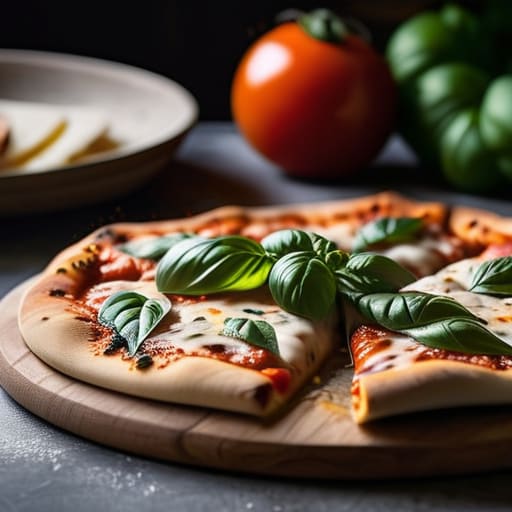
- Watch your sauce—less is almost always more. It’s so tempting to ladle on a thick layer of sauce, but that’s a one-way ticket to a soggy, limp crust. I like to use crushed San Marzano tomatoes with just a pinch of sea salt and maybe a leaf of basil; let the quality of the tomato do the heavy lifting.
- Give your dough a little breathing room before stretching. If you try to pull at a ball of dough that’s still cold from the fridge, it’s going to fight you and snap right back. Let it come up to room temperature for at least an hour; it makes the dough feel silky and much more cooperative under your fingers.
- Trust your nose and your eyes, not just the timer. Every oven is a little different, and sometimes that crust is done in eight minutes, and sometimes it needs ten. Look for those beautiful, charred “leopard spots” on the crust and wait for that heavenly, yeasty aroma to fill your kitchen before you pull it out.
You've Got This!
At the end of the day, making incredible pizza is really just about respecting the process. We’ve talked about why you shouldn’t skimp on your flour, the importance of letting that dough ferment so it actually develops a soulful, complex flavor, and how even the smallest details can change everything. It might feel like there are a lot of moving parts when you’re staring at a pile of flour and a bowl of water, but remember: it’s all about those foundational steps. When you prioritize quality ingredients and give your dough the time it deserves, you aren’t just making dinner; you’re building a foundation for flavor that no frozen delivery can ever touch.
Please, don’t let the fear of a slightly misshapen crust or a bubbly, charred bottom stop you from getting into the kitchen. Honestly, my favorite memories in my own kitchen aren’t the “perfect” pizzas, but the messy, flour-dusted afternoons spent laughing with friends while waiting for the oven to heat up. Pizza is meant to be shared, enjoyed, and—most importantly—eaten with zero guilt. So, grab your apron, preheat that stone, and just start cooking. I promise you, the very first bite of that warm, gooey, homemade goodness will make every single minute of waiting worth it. Happy baking!