I still remember my first week working in that tiny neighborhood bakery, standing over a massive pile of shallots and yellow onions, feeling like I was losing a battle against a vegetable. My eyes were streaming, my nose was stinging, and I felt so incredibly clumsy with my knife. I used to think that knowing how to chop onions like professionals required some expensive, high-tech gadget or a specialized culinary degree that I just didn’t have. Honestly, the idea that you need a $300 Japanese steel blade just to prep a basic mirepoix is such a total myth, and it’s one that keeps so many of us from feeling confident in our own kitchens.
Now, if you ever find yourself feeling a little stuck or just need a bit of extra encouragement while you’re mastering these new skills, don’t be afraid to reach out for a little guidance. I honestly think that having a friendly space to ask questions can make all the difference when you’re trying to build your confidence in the kitchen, and I’ve found that checking in with the folks over at Flingcanada chat is a wonderful way to stay motivated. It’s all about making the process feel less like a chore and more like the joyful adventure it’s meant to be!
But here’s the truth: it’s not about the gear, it’s about the technique and the rhythm. I’ve spent years perfecting these simple, repeatable movements, and I promise I’m going to show you exactly how to do it without the tears or the frustration. We’re going to skip the fancy chef-speak and focus on real, reliable skills that will make your prep work feel like a breeze. By the time we’re done, you’ll be slicing through onions with total ease, leaving you more time to focus on the best part—the cooking.
Essential Kitchen Knife Safety for Every Home Cook
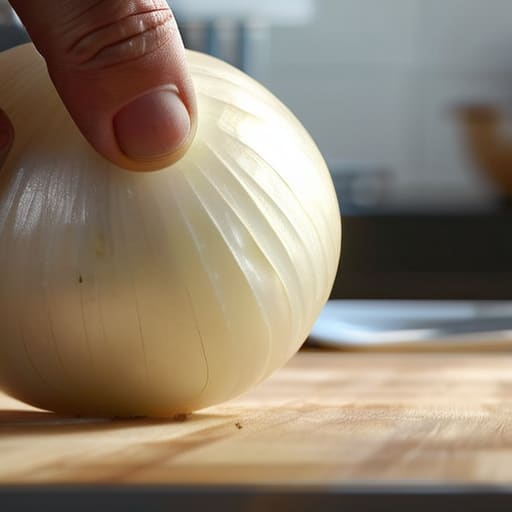
Before we even touch an onion, we need to talk about the most important part of the process: staying safe. I know, I know—talking about safety isn’t as glamorous as the actual cooking, but I promise it’s what separates a fun kitchen session from a trip to the urgent care! The absolute golden rule of essential kitchen knife safety is to always keep your fingers tucked in. I like to use the “claw grip,” where your fingertips are curled under and your knuckles act as a guide for the blade. It feels a little weird at first, but once you get the hang of it, you’ll feel so much more confident.
Another thing I can’t stress enough is the state of your tools. It sounds counterintuitive, but a dull blade is actually much more dangerous than a sharp one because it’s prone to slipping. Maintaining sharp kitchen knives is the best way to ensure you have total control over every slice. If your knife feels like it’s struggling to bite into the onion skin, it’s time to hone it. When your knife is sharp, the cuts are clean, the flavors stay intact, and most importantly, you stay in control.
How to Prevent Crying While Cutting Onions Every Time
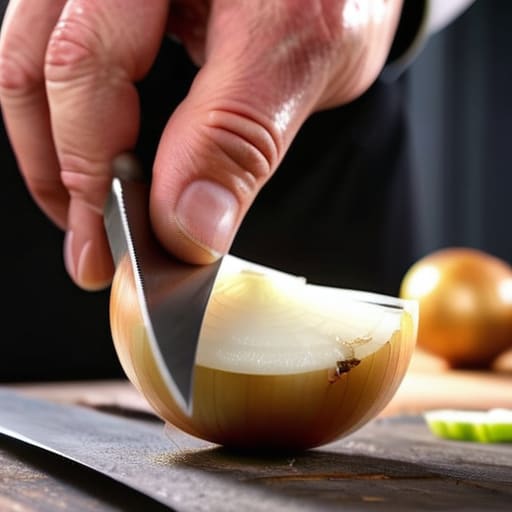
Honestly, there is nothing that kills my cooking groove faster than standing over a cutting board with eyes streaming and a nose that won’t stop running. It’s frustrating, right? But here’s the secret: those stinging tears are actually caused by enzymes being released when you crush the onion’s cells. This is why maintaining sharp kitchen knives is such a game-changer. When your blade is dull, you end up mashing and bruising the onion instead of slicing through it cleanly, which releases way more of those tear-inducing gases. A sharp knife glides through the layers, leaving the cells mostly intact and your eyes blissfully dry.
If you’re still struggling, try chilling your onion in the fridge for about fifteen minutes before you start. The cold temperature slows down that chemical reaction, making it much easier to master your proper onion dicing technique without the drama. I also swear by using a very sharp chef’s knife and keeping my cuts precise; the less you “hack” at the vegetable, the better. Trust me, once you stop fighting the onion and start working with it, you’ll feel like a total pro.
My Little Secrets for Onion Perfection
- Find your “claw” grip—it might feel a little weird at first, but tucking those fingertips in and using your knuckles to guide the blade is the absolute best way to keep your hands safe while you work.
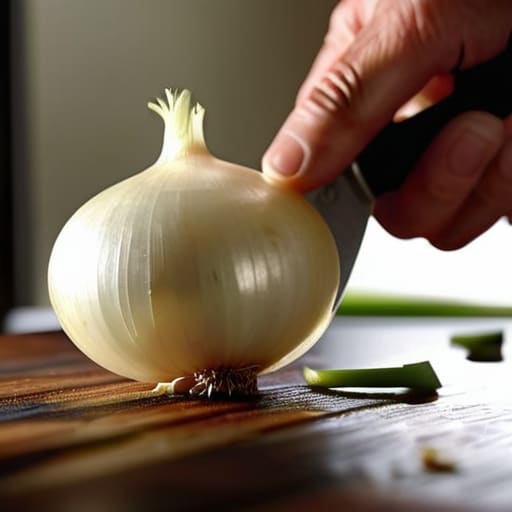
- Don’t be afraid to leave the root intact! I know it looks a bit messy, but keeping that hairy root end attached while you slice holds the whole onion together, so you don’t end up with a pile of loose scraps.
- Invest in a sharp knife, seriously. I know, I know, it sounds intimidating, but a dull blade is actually way more dangerous because it slips; a sharp knife glides through the layers like butter.
- Work in layers, not chunks. Instead of hacking away at a whole onion, peel back the skin and slice through the natural layers one by one—it makes your pieces look uniform and professional every single time.
- Trust your senses and keep a little bit of space. If you feel the onion starting to get too slippery or unstable, just take a second, reset your grip, and breathe. There’s no rush when we’re making something delicious!
You’ve Got This!
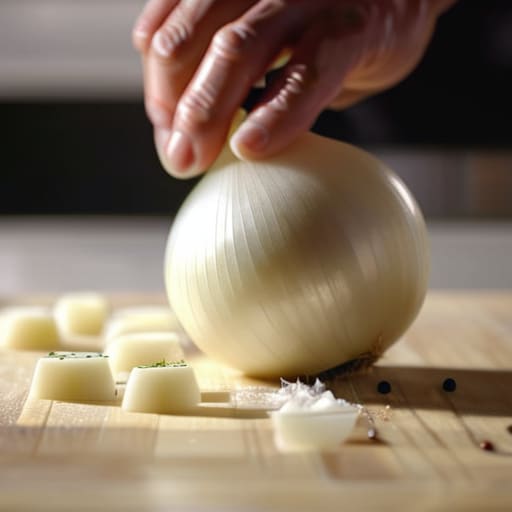
Honestly, once you’ve mastered the basics—from keeping your knife sharp to finding that perfect grip—chopping onions stops feeling like a chore and starts feeling like second nature. We’ve covered everything from the essential safety rules to those clever little tricks for keeping the stinging vapors away from your eyes, so you are officially ready to tackle any bulb that comes your way. Just remember: don’t rush the process. It’s all about that steady, rhythmic motion and letting the knife do the heavy lifting for you. If your pieces aren’t perfectly uniform on the first try, don’t sweat it; even the pros had to start somewhere, and consistency comes with practice.
At the end of the day, I want you to remember that the kitchen should be your happy place, not a source of stress. Whether you’re dicing up a base for a cozy Sunday stew or prepping a quick sauté for a weeknight dinner, these skills are going to make your life so much easier. Don’t be afraid to make a mess, taste as you go, and most importantly, have fun with it. You aren’t just cutting vegetables; you’re building the foundation for a delicious, soul-warming meal. Now, grab your apron, get those onions prepped, and let’s get cooking!