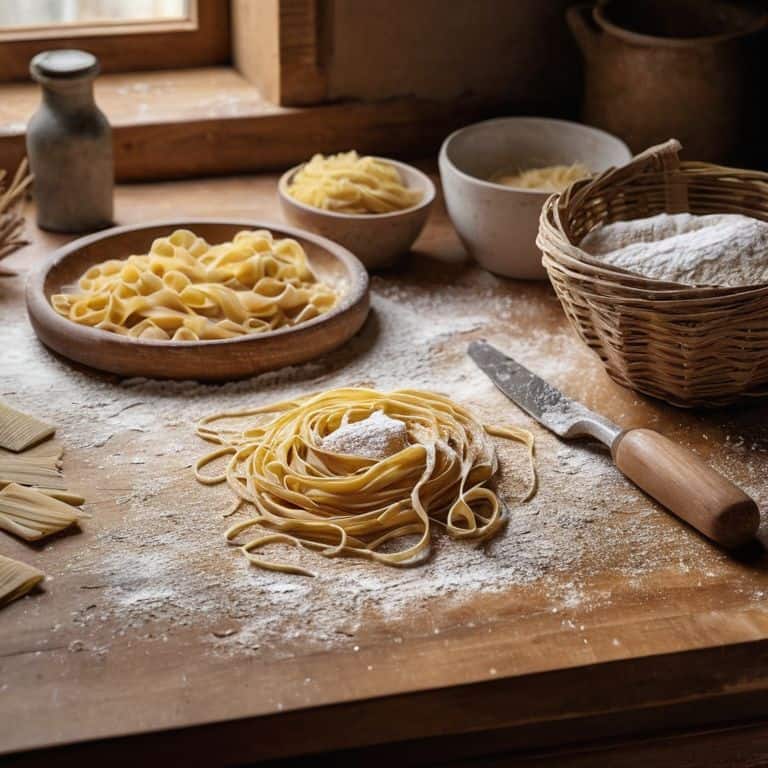
I still remember the first time I tried to make homemade pasta – it was a disaster. I had been told that making pasta from scratch was a tedious, all-day process that required special equipment and a lot of patience. But I was determined to learn how to make homemade pasta that would rival my favorite Italian restaurant. As it turns out, most of what I thought I knew was wrong. With a little practice and the right techniques, you can create delicious, handmade pasta in no time.
So, what sets my approach to how to make homemade pasta apart? I’m not about complicated recipes or fancy tools – I’m about keeping it simple and having fun. In this article, I’ll share my favorite tips and tricks for making homemade pasta that’s full of flavor and easy to make. From mixing and kneading to shaping and cooking, I’ll walk you through every step of the process. By the end of this guide, you’ll be equipped with the knowledge and confidence to start making your own delicious homemade pasta – and experimenting with new flavors and recipes in no time.
Table of Contents
- Guide Overview: What You'll Need
- Step-by-Step Instructions
- How to Make Homemade Pasta
- Get Your Dough On: 5 Essential Tips for Making Homemade Pasta
- Key Takeaways for a Delicious Homemade Pasta Experience
- The Heart of Homemade Pasta
- The Homemade Pasta Journey: A Path to Culinary Delight
- Frequently Asked Questions
Guide Overview: What You'll Need
Total Time: 2 hours 30 minutes
Estimated Cost: $10 – $20
Difficulty Level: Intermediate
Tools Required
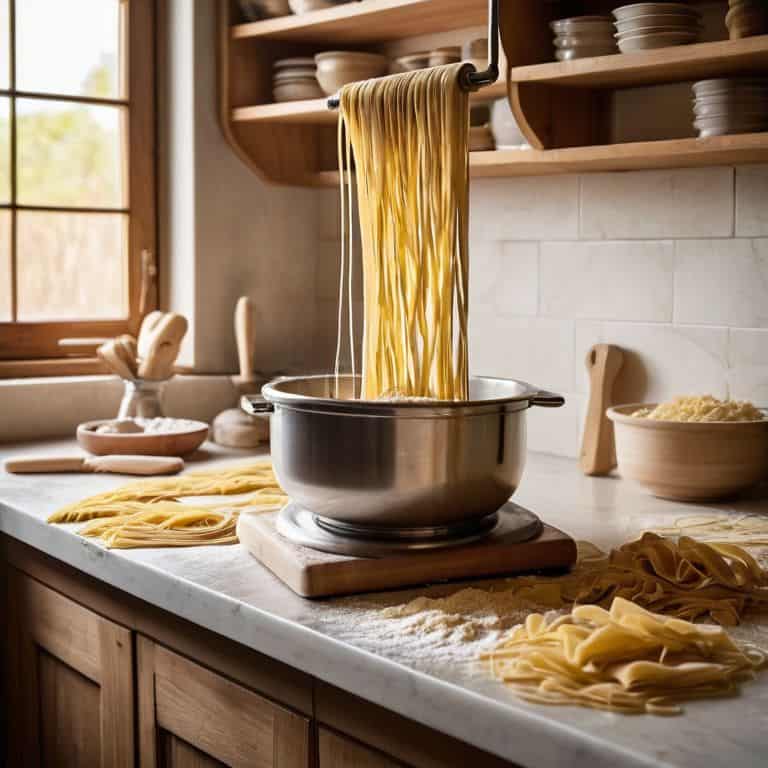
- Stand Mixer (with dough hook attachment)
- Kneading Surface (e.g., wooden or marble countertop)
- Rolling Pin (long, e.g., 20 inches)
- Pasta Machine (manual or electric)
- Sharp Knife (or pasta cutter)
- Colander (for drying pasta)
Supplies & Materials
- All-Purpose Flour (2 cups)
- Large Eggs (2-3 eggs)
- Salt (1/4 teaspoon)
- Water (as needed)
- Olive Oil (for coating pasta)
Step-by-Step Instructions
- 1. First, let’s start with the foundation of our homemade pasta – the dough. To make it, we’ll need to combine 2 cups of all-purpose flour, 1 large egg, and a pinch of salt in a large mixing bowl. I like to use a wooden spoon to mix everything together until it forms a cohesive ball. Don’t worry if it looks a bit rough at this stage; we’ll get to the fun part soon.
- 2. Next, we need to knead the dough to develop the gluten, which will give our pasta its signature chew. I find that getting a little aggressive with the dough helps to break down the flour and distribute the egg evenly. You can use a stand mixer with a dough hook attachment, but I prefer to do it the old-fashioned way – with my hands. This process should take around 10 minutes, and you’ll know you’re done when the dough becomes smooth and elastic.
- 3. Now that our dough is ready, it’s time to let it rest. This is an essential step, as it allows the gluten to relax, making the dough easier to roll out. I like to wrap it in plastic wrap or a damp cloth and let it sit at room temperature for at least 30 minutes. While we’re waiting, we can start preparing our workspace for the next step.
- 4. With our dough rested, it’s time to roll it out into thin sheets. I use a pasta machine to get the job done, but you can also use a rolling pin if you don’t have one. The key is to start with a thick setting and gradually decrease the thickness as you roll. This will help prevent the dough from tearing and ensure that our pasta is evenly cooked.
- 5. As we roll out the dough, we’ll start to see it take shape. I like to think of this step as the moment of truth, where all our hard work starts to pay off. If you’re using a pasta machine, you can start to see the dough transform into beautiful, thin sheets. If you’re using a rolling pin, you might need to use a bit more elbow grease to get the desired thickness.
- 6. Once we have our sheets of pasta, it’s time to cut them into the desired shape. I’m a big fan of fettuccine, so I’ll be using a sharp knife or a pasta cutter to create long, flat noodles. You can also use a cookie cutter or a glass to create fun shapes for a more rustic look.
- 7. Finally, it’s time to cook our homemade pasta. I like to bring a large pot of salted water to a boil and then gently add our freshly cut noodles. The cooking time will depend on the thickness of your pasta, but as a general rule, you can expect it to take around 2-4 minutes to cook. When it’s done, drain the water and serve immediately, topped with your favorite sauce and a sprinkle of parmesan cheese.
How to Make Homemade Pasta
As I delve deeper into the world of Italian pasta making techniques, I’ve come to realize that the type of flour used can greatly impact the final product. Types of flour for pasta are a crucial factor, with some flours producing a more delicate texture, while others yield a heartier, more robust pasta. I’ve experimented with various types, and I must say, the difference is astounding.
When it comes to drying your freshly made pasta, I’ve found that homemade pasta drying methods can be just as important as the pasta itself. A good drying method can help preserve the pasta’s texture and prevent it from becoming soggy or sticky. I’ve tried various methods, from air-drying to using a pasta machine vs hand rolled approach, and I must say, each has its own unique benefits.
As a self-taught pasta enthusiast, I’ve made my fair share of common pasta making mistakes. But that’s all part of the process, right? The key is to learn from those mistakes and experiment with new pasta recipe variations. I’ve found that adding different herbs and spices can completely transform the flavor of your pasta, and I’m always excited to try new combinations. Whether you’re a seasoned pro or a beginner, the world of homemade pasta is full of possibilities, and I’m eager to see what you’ll create.
Italian Pasta Making Secrets
Italian Pasta Making Secrets
Now that we’ve got our hands dirty making homemade pasta, let’s dive into some secrets the Italians use to take it to the next level. I’ve learned that it’s all about feel – you gotta know when the dough is just right, not too sticky, not too dry. A little trick I picked up is to use a combination of “00” flour and semolina to give it that perfect texture.
I also like to experiment with different flavor profiles, like infusing my pasta water with garlic and herbs. It’s amazing how much depth it adds to the final dish. And don’t even get me started on the importance of resting the dough – it’s like giving the flour time to soak up all the love and care you’re putting into it. Trust me, the end result is worth the wait!
Pasta Machine vs Hand Rolled Fun
I love getting my hands dirty, and making pasta is no exception. While a pasta machine can give you that perfect texture, I say, why not try hand-rolling for a more rustic feel? It’s all about the process, not just perfection. I’ve spent hours in my kitchen, experimenting with different techniques, and I can tell you, there’s something special about creating those imperfect, yet delicious, strands of pasta by hand.
For me, it’s about connection – to the food, to the tradition, and to the joy of creating something from scratch. So, don’t be afraid to get a little messy and try hand-rolling your pasta. You might just discover a new favorite way to make this Italian staple.
Get Your Dough On: 5 Essential Tips for Making Homemade Pasta
- Use ’00’ flour for a more tender and delicate pasta texture, but don’t be afraid to experiment with other types of flour to find your perfect blend
- Don’t overwork the dough – mix it just until the ingredients come together, then let it rest and relax, just like you would after a long day
- Keep your pasta machine clean and dry to avoid any sticky situations, and make sure to flour your sheets as you go to prevent them from clinging together
- When it comes to shaping, don’t stress too much about perfection – a little imperfection can add character to your homemade pasta, and it’s all about the flavor and love you put into it
- Practice makes perfect, so don’t be discouraged if your first few batches don’t turn out exactly as you hoped – just keep on rolling, and you’ll soon be a homemade pasta pro
Key Takeaways for a Delicious Homemade Pasta Experience
By embracing the process of making pasta from scratch, you’ll not only gain a deeper appreciation for the craft but also unlock a world of flavors and textures that store-bought pasta can’t match
Experimenting with different types of flour and adding your own favorite herbs and spices can elevate your homemade pasta to a truly gourmet level, making every meal a special occasion
Remember, the joy of homemade pasta lies not just in the end result, but in the journey itself – don’t be afraid to get a little messy, try new things, and make this ancient craft your own
The Heart of Homemade Pasta
The beauty of making pasta from scratch lies not in the perfection of each strand, but in the imperfect, handmade journey – where every roll, every fold, and every cut tells a story of love, effort, and the joy of creation.
Tom Navarro
The Homemade Pasta Journey: A Path to Culinary Delight
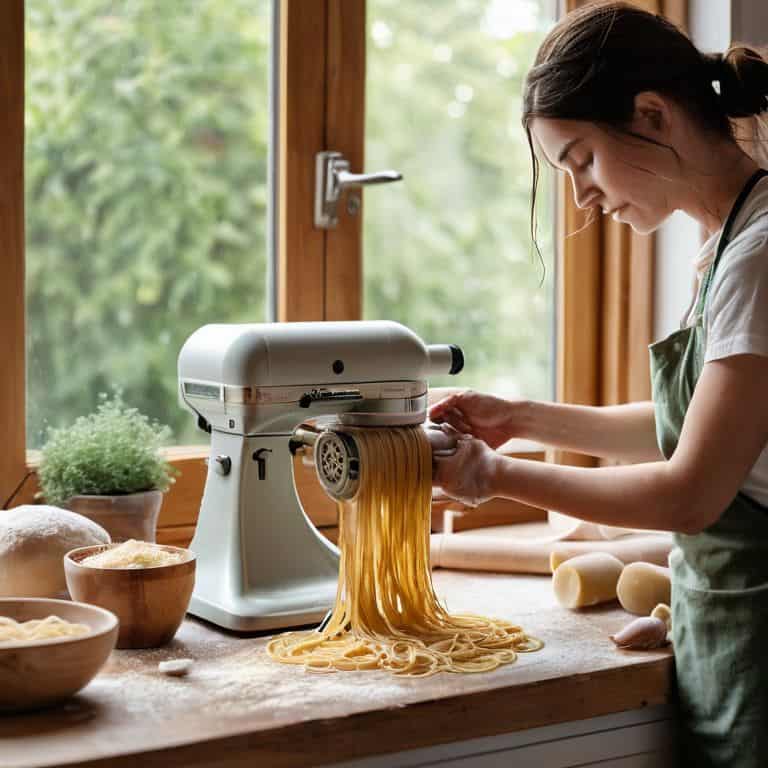
As we conclude our journey into the world of homemade pasta, remember that the key to mastering this craft lies in embracing the process. From understanding the basics of mixing and kneading to the nuances of using a pasta machine versus hand-rolling, each step is an opportunity to connect with the food you’re creating. Experimentation is crucial, as it allows you to discover your own preferences and techniques. Whether you’re aiming for the perfect spaghetti or a delicate fettuccine, the journey is just as important as the destination. Don’t be afraid to try new ingredients, flavors, and methods – it’s through these experiments that you’ll truly make your pasta dishes shine.
The joy of homemade pasta isn’t just about the end result, although there’s nothing quite like the satisfaction of enjoying a meal you’ve crafted from scratch. It’s about the connection to tradition and the innovation that comes with making something with your own hands. As you continue on your pasta-making path, remember that every strand is a story of your culinary journey. So, don’t just make pasta – make memories, make traditions, and make every meal a celebration of flavor and love. With each new creation, you’re not just a cook, you’re a storyteller, weaving tales of taste and tradition that will be passed down for generations to come.
Frequently Asked Questions
What type of flour is best to use for making homemade pasta?
I swear by ’00’ flour for my pasta – it’s got the perfect balance of tenderness and bite. Sometimes I’ll mix in a bit of semolina for added texture, but ’00’ is my go-to for that authentic Italian taste. Give it a try and see the difference for yourself!
Can I still make delicious homemade pasta without a pasta machine?
Absolutely, you can still make delicious homemade pasta without a pasta machine! I actually love hand-rolling my pasta for a more rustic texture. It’s all about feeling the dough and getting a little messy. Give it a try and you’ll see – it’s a game-changer for a truly homemade taste!
How do I store and dry my freshly made homemade pasta to keep it fresh for a longer period?
Drying’s the key! I like to hang my freshly made pasta over a wooden dowel or a clean towel to air dry. You can also spread it out on a baking sheet, making sure not to overlap the strands. For longer storage, I recommend filling glass jars with your dried pasta and sealing them tight – it’ll keep for months!