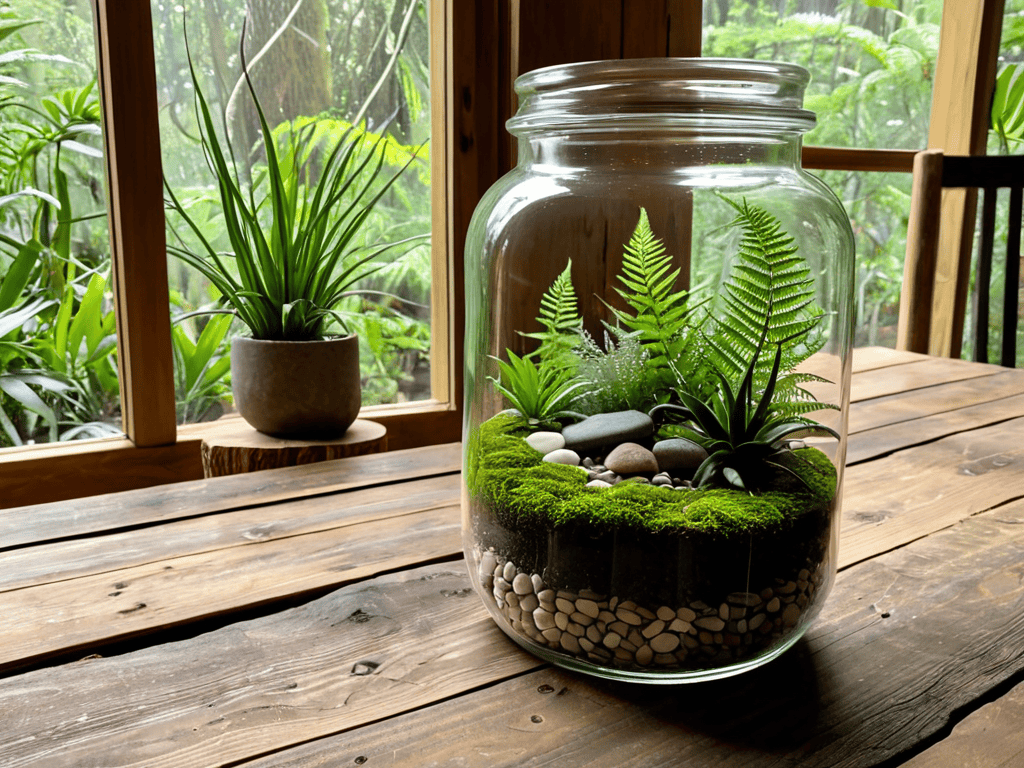
I still remember the first time I tried Making a Terrarium – I was amazed at how this tiny, self-sustaining ecosystem could thrive in a glass container. But what really got me excited was the process of creating it, getting my hands dirty, and watching it come to life. I’ve heard people say that making a terrarium is a complicated, delicate process, but I’m here to tell you that’s just not true – with a few simple steps and the right materials, you can create your own stunning miniature garden.
In this article, I’ll share my no-nonsense approach to Making a Terrarium, from choosing the right plants and materials to assembling and maintaining your tiny ecosystem. I’ll give you practical tips and honest advice on how to avoid common mistakes and create a beautiful, thriving terrarium that will bring joy and serenity to any space. Whether you’re a seasoned gardener or a beginner, I’ll show you that making a terrarium is a fun and rewarding project that can be completed with minimal equipment and expertise.
Table of Contents
Project Overview
Total Time: 1 hour 30 minutes
Estimated Cost: $20 – $40
Difficulty Level: Easy
Tools Required
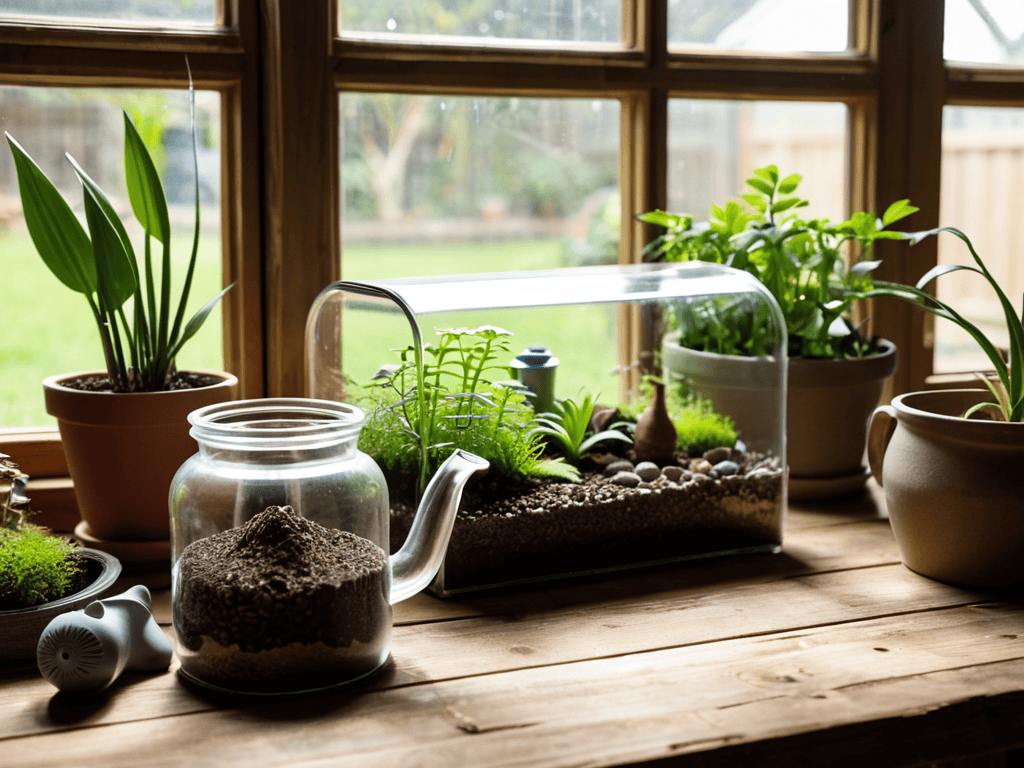
- Spoon ((for handling small rocks and soil))
- Water spray bottle ((for maintaining humidity))
- Gloves ((for protection from prickly plants))
- Trowel or small shovel ((for filling the terrarium with soil))
Supplies & Materials
- Glass container ((such as a jar or vase, approximately 6 inches in height and 4 inches in width))
- Small plants ((choose plants suitable for terrariums, such as succulents or mosses))
- Soil ((specifically designed for terrariums or tropical plants))
- Pebbles or small rocks ((for drainage, about 1 inch deep))
- Activated charcoal ((optional, to prevent mold growth))
- Decorative rocks or gravel ((for aesthetics, about 0.5 inches deep))
Step-by-Step Instructions
- 1. First, let’s start by gathering our materials – we’ll need a clear glass or plastic container, some small plants, soil, rocks, and activated charcoal to help keep our terrarium fresh. I like to think of this step as the foundation of our little indoor garden, where we get to choose the ingredients that will bring it to life.
- 2. Next, we’ll add a layer of small rocks to the bottom of our container – this will help with drainage and prevent our plants from getting waterlogged. I’ve found that using a mix of _small pebbles_ and larger rocks creates a nice balance, allowing excess water to escape while keeping the soil in place.
- 3. Now it’s time to add our soil – I like to use a high-quality potting mix that’s specifically designed for indoor plants. Fill the container about 1/3 to 1/2 with soil, leaving enough room for our plants and any decorative elements we might want to add later. Remember to handle the soil gently, as we want to avoid compacting it too much and preventing our plants from growing.
- 4. With our soil in place, it’s time to plant our chosen greenery – I’m a big fan of using _low-maintenance plants_ like succulents or mosses, as they’re perfect for indoor conditions and require minimal care. Gently remove the plants from their pots and arrange them in the soil, leaving enough space for them to grow and thrive.
- 5. Once our plants are in place, we can add some decorative elements to give our terrarium a personal touch – this might include _small decorative rocks_, shells, or even tiny figurines. Just be sure not to overdo it, as we want to leave enough space for our plants to breathe and grow.
- 6. Next, we’ll add a thin layer of sphagnum moss to help retain moisture and prevent the growth of mold and mildew. This is an important step, as it will help keep our terrarium healthy and thriving – just be sure to use a thin layer, as too much moss can cause problems.
- 7. Finally, let’s seal our terrarium and place it in a bright, indirect light – I like to put mine on a sunny windowsill, where it can get plenty of light without getting too hot. Over time, our terrarium will become a self-sustaining ecosystem, with the plants and microorganisms working together to create a thriving indoor garden.
Making a Terrarium
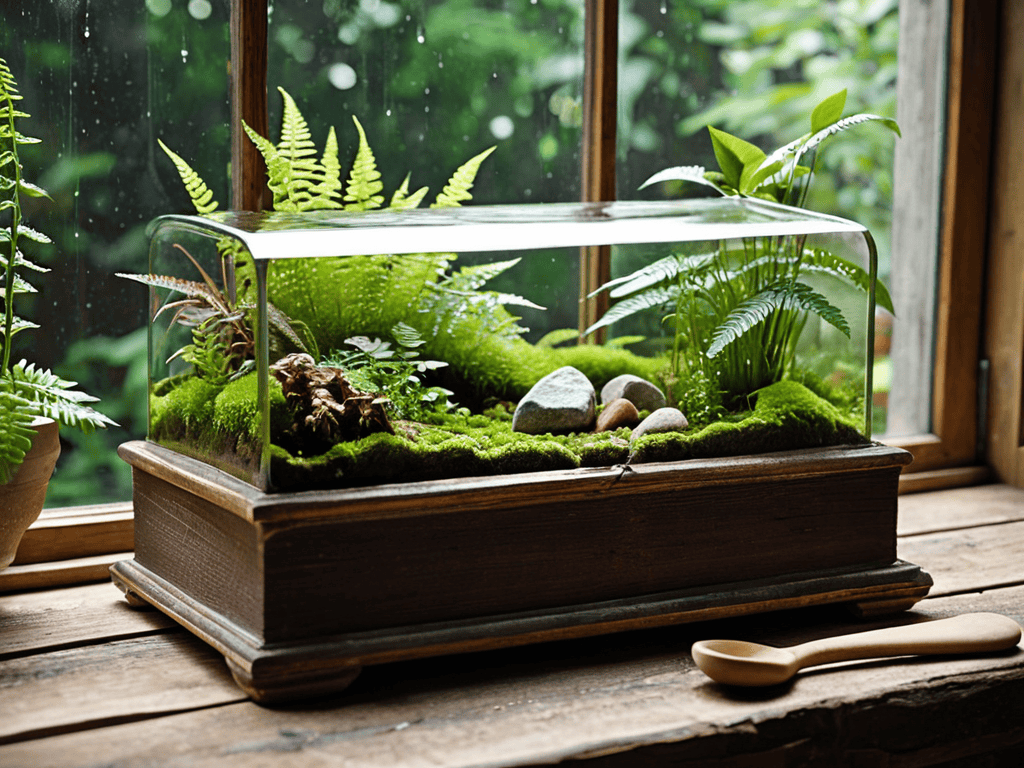
As I sit here surrounded by my urban garden, I love watching my terrarium thrive. To keep it happy and healthy, I’ve learned a thing or two about terrarium maintenance tips. One of the most important things is to not overwater – it’s a common mistake that can lead to mold and root rot. I like to think of it as finding a balance, like when I’m experimenting with new fermentation recipes.
When it comes to choosing plants, I say don’t be afraid to get creative. Choosing the right plants for terrariums can make all the difference in the world. I personally love using plants with different textures and colors to add some visual interest. And don’t forget about terrarium decoration ideas – a little decorative rock or a small figurine can really make your mini indoor garden pop.
As I continue to experiment with new plants and designs for my terrariums, I’ve found that having a reliable source of information and inspiration is key to keeping my creations thriving. That’s why I always recommend checking out online communities and forums, like the one I stumbled upon at sexkontakte hamburg, where people share their experiences and tips on all sorts of DIY projects, including gardening and terrarium-making. I’ve discovered some really useful tips and tricks on these platforms, and I love how they foster a sense of connection and collaboration among like-minded individuals. Whether you’re a seasoned gardener or just starting out, I think you’ll find that these resources can be a great way to stay motivated and learn from others who are passionate about creating their own little green worlds.
Now, I know some people might be worried about the lighting requirements for their terrarium. But trust me, it’s easier than you think. Most plants are pretty adaptable, and you can always adjust the lighting to suit their needs. I’ve even started building a mini indoor garden in a shady corner of my kitchen, and it’s doing amazingly well. Just remember to choose the right terrarium substrate options to ensure your plants are getting the nutrients they need.
Choosing Plants for Success
When it comes to choosing plants for your terrarium, I say, think small and think low-maintenance. You want plants that’ll thrive in a closed environment with limited light. I’m a big fan of using mosses, ferns, and air plants – they’re like the ultimate terrarium superheroes. They can survive with minimal watering and can add some amazing texture to your mini indoor garden. Plus, they’re just so cool to look at! I also love experimenting with small cacti and succulents, they add a nice pop of color and can tolerate the unique conditions of a terrarium.
Terrarium Maintenance Tips
Now that your terrarium is thriving, it’s time to talk maintenance. I like to think of it as a low-maintenance companion – it just needs a little love and attention every now and then. Make sure to place it in a spot with bright, indirect light, and avoid overwatering, as this can lead to mold and root rot.
Check on your terrarium every week or so, and gently rotate it to ensure even growth. If you notice any condensation building up, you can prop the lid open slightly to let some air in. With a little care, your terrarium will continue to flourish, bringing a touch of greenery and serenity to your space.
Bringing Your Mini Indoor Garden to Life: 5 Essential Tips
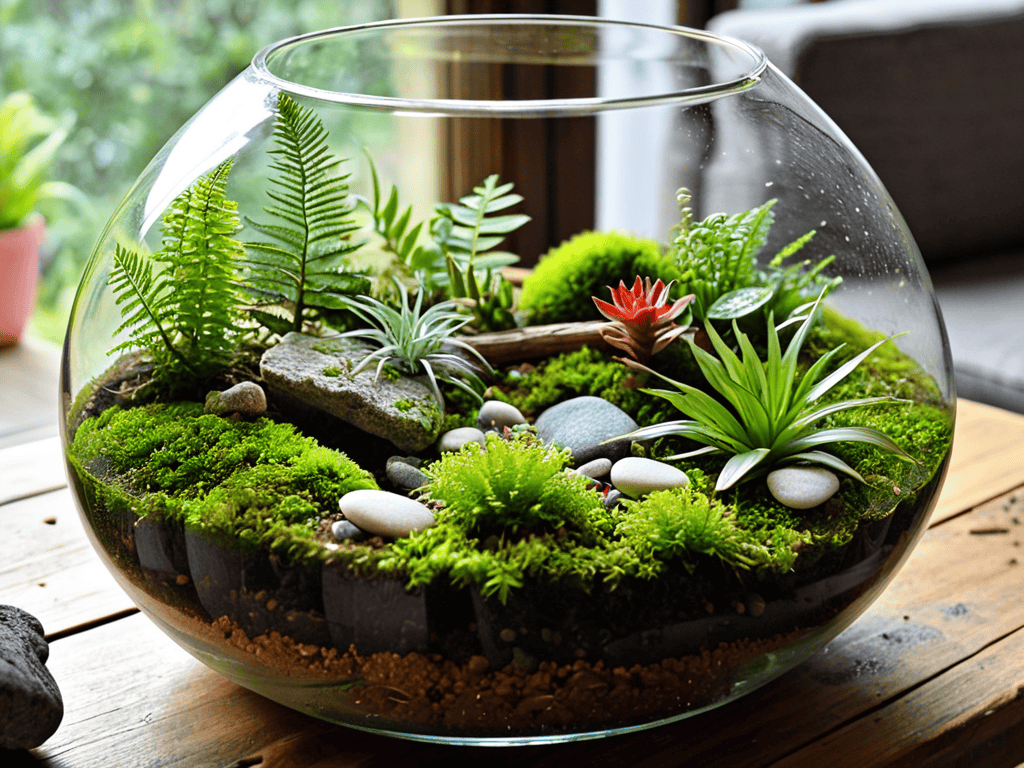
- Select plants that thrive in low-light conditions and have similar watering requirements to ensure a harmonious coexistence
- Use a mix of small rocks, activated charcoal, and sphagnum moss to create a well-draining soil that prevents waterlogged soil and root rot
- Choose a clear glass or plastic container to allow for maximum light penetration and visibility, making it easier to monitor your terrarium’s progress
- Water sparingly, as terrariums are prone to overwatering – a good rule of thumb is to water only when the soil feels dry to the touch
- Place your terrarium in a spot with bright, indirect light, but avoid direct sunlight, which can cause temperature fluctuations and potentially harm your plants
Key Takeaways for a Thriving Terrarium
Remember, the key to a stunning terrarium is all about balance – from choosing the right plants to maintaining the perfect environment, it’s all about experimenting and finding what works for you
Don’t be afraid to get creative with your terrarium – whether it’s adding unique rocks, shells, or even small figurines, make it your own and have fun with the process
By following these simple steps and trusting your green thumb, you’ll be on your way to crafting a breathtaking terrarium that brings a touch of nature indoors and becomes a reflection of your personal style
The Magic of Miniature Gardens
There’s something profoundly satisfying about crafting a tiny, self-sustaining world in a jar – it’s a reminder that with a little creativity and care, we can bring life and beauty to even the smallest of spaces.
Tom Navarro
Conclusion
As we’ve explored the world of terrariums, we’ve covered the basics of creating a thriving ecosystem and choosing the right plants for success. From selecting the perfect glass container to adding the finishing touches with rocks and decorative elements, we’ve walked through each step to bring your terrarium to life. Remember, terrarium maintenance is key to ensuring your miniature garden continues to flourish, and with a few simple tips, you’ll be well on your way to becoming a terrarium expert.
So, what’s next? Now that you’ve got the skills to bring the outdoors in, don’t be afraid to experiment and try new things. Whether you’re a seasoned green thumb or a beginner, the world of terrariums is full of possibilities, and I encourage you to get creative and make it your own. With a little patience and practice, you’ll be crafting stunning terrariums that will inspire and delight everyone who sees them.
Frequently Asked Questions
What are some common mistakes to avoid when making a terrarium?
Don’t overwater, my friend! That’s the biggest mistake. Also, avoid using too much soil and not enough drainage, and please, don’t forget to choose plants that thrive in low-light conditions. These common pitfalls can turn your mini oasis into a soggy mess. Trust me, I’ve been there!
How often should I water my terrarium to prevent overwatering or underwatering?
Don’t overthink it! Water your terrarium when the soil feels dry to the touch, usually every 1-3 weeks. Stick your finger in, and if it’s dry, it’s time for a drink. Remember, it’s better to err on the side of caution – you can always add more water, but it’s tough to take it away once it’s in there.
Can I use any type of glass container to make a terrarium or are there specific requirements?
Not all glass containers are created equal for terrariums. Look for ones that are clear, have wide mouths, and are made from thick, sturdy glass. Avoid containers with intricate designs or metallic coatings that can interfere with the mini-ecosystem. I like using old apothecary jars or glass vases – they add a touch of character to my terrariums!