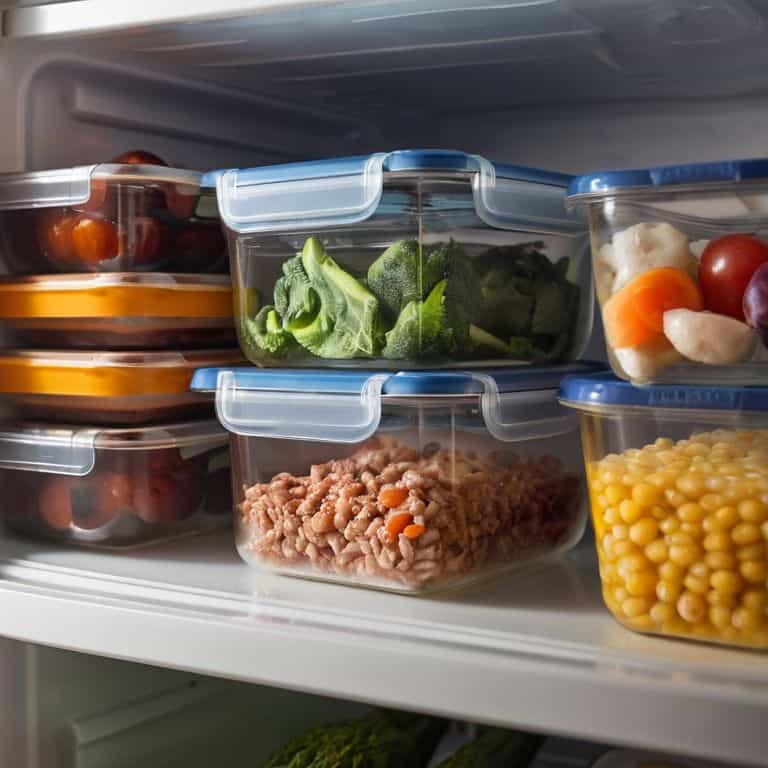
As a former bush pilot, I’ve had my fair share of canned goods and leftover meals, but the question always lingered: how long is leftover food good for? I’ve seen my colleagues throw away perfectly edible food due to a lack of understanding, and it frustrates me to see such waste. In my experience, the key to minimizing food waste lies in understanding the simple principles of food safety, rather than relying on complicated guidelines or rules of thumb.
In this article, I promise to provide you with no-nonsense advice on how to determine the safety of your leftover food. I’ll share my personal experiences and knowledge gained from years of flying and teaching to help you make informed decisions about your food. We’ll break down the myths and misconceptions surrounding leftover food and focus on the fundamentals of food safety, so you can enjoy your meals with confidence, whether you’re in the cockpit or in the comfort of your own home.
Table of Contents
- How Long Is Leftover Food Good for
- Reheating Frozen Meals Safely Preventing Food Poisoning
- Turbulent Tables Leftover Food Storage Guidelines
- Navigating Leftover Food Shelf Life
- Freezer Storage Best Practices Extending Leftover Shelf Life
- Proper Refrigerator Temperature the Co Pilot to Food Safety
- Flying High on Food Safety: 5 Key Tips for Leftover Shelf Life
- Key Takeaways: Navigating Leftover Food Safety
- Navigating the Skies of Leftover Food Safety
- Safe Landing: Conclusion on Leftover Food Shelf Life
- Frequently Asked Questions
How Long Is Leftover Food Good for

When it comes to leftover food storage guidelines, it’s essential to consider the type of food, its initial storage conditions, and how it’s been handled. For instance, cooked meats and poultry can typically be safely stored in the refrigerator for 3 to 4 days, while leftovers like soup or stew can last a bit longer, up to 5 days. However, it’s crucial to maintain a proper refrigerator temperature below 40°F (4°C) to prevent bacterial growth.
Reheating frozen meals safely is also a vital aspect of food storage. When reheating leftovers, it’s essential to ensure they reach a minimum internal temperature of 165°F (74°C) to kill off any potential bacteria. Freezer storage best practices dictate that frozen leftovers should be stored at 0°F (-18°C) or below, and when reheated, they should be consumed immediately. This helps prevent the risk of food poisoning, which can be a serious concern if not addressed.
By following these simple guidelines and being mindful of the shelf life of common leftovers, you can enjoy your favorite meals while minimizing the risk of foodborne illnesses. Remember, it’s always better to err on the side of caution when it comes to food safety, and if in doubt, it’s best to discard the leftovers altogether.
Reheating Frozen Meals Safely Preventing Food Poisoning
When reheating frozen meals, it’s essential to follow safe practices to avoid food poisoning. Proper thawing is crucial to prevent bacterial growth. I always recommend checking the meal’s temperature to ensure it reaches a safe minimum internal temperature.
To reheat frozen meals safely, use a food thermometer to check the internal temperature. This simple step can help prevent foodborne illnesses. By being mindful of reheating practices, you can enjoy your frozen meals while maintaining food safety.
Turbulent Tables Leftover Food Storage Guidelines
When it comes to storing leftover food, a few simple guidelines can make all the difference. Proper refrigeration is key to keeping your leftovers safe to eat. This means ensuring your fridge is at a consistent temperature below 40°F (4°C).
To maintain food safety, labeling and dating your leftovers is crucial. This simple step helps you keep track of how long your food has been stored, ensuring you use it before it spoils.
Navigating Leftover Food Shelf Life

As we delve into the world of leftover food, it’s essential to understand the importance of proper refrigerator temperature. This is crucial in maintaining the quality and safety of our leftovers. I like to think of it as setting the right altitude for a safe flight – if the temperature is off, even by a little, it can lead to a world of trouble.
When it comes to reheating frozen meals safely, we need to consider the type of food and its shelf life of common leftovers. For instance, cooked meats and vegetables can usually be safely reheated, but it’s vital to follow specific guidelines to prevent food poisoning prevention tips. I often use the analogy of a pre-flight checklist to ensure I cover all the necessary steps when reheating leftovers.
By following leftover food storage guidelines and being mindful of the freezer storage best practices, we can enjoy our leftovers while minimizing the risk of foodborne illnesses. It’s all about finding the right balance and being aware of the potential pitfalls, much like navigating through turbulent skies. With a little practice and patience, we can become proficient in the art of storing and reheating leftovers, making mealtime a whole lot safer and more enjoyable.
Freezer Storage Best Practices Extending Leftover Shelf Life
When storing leftovers in the freezer, it’s essential to follow proper packaging techniques to prevent freezer burn and maintain flavor. This includes using airtight containers or freezer bags to prevent moisture and other flavors from affecting the food. By doing so, you can enjoy your leftovers for a longer period without compromising on taste or safety.
To extend the shelf life of your leftovers, consider labeling and dating each container or bag before storing them in the freezer. This simple step helps you keep track of how long each item has been stored, ensuring you use the oldest items first and avoid potential health risks associated with consuming expired food.
Proper Refrigerator Temperature the Co Pilot to Food Safety
To ensure your leftover food remains safe to eat, it’s crucial to maintain a consistent refrigerator temperature. This is the backbone of food safety, as it slows down the growth of bacteria and other microorganisms that can cause food poisoning.
By keeping your refrigerator at a temperature below 40°F (4°C), you create an environment where bacterial growth is significantly slowed, allowing you to store leftover food for a longer period without compromising its safety.
Flying High on Food Safety: 5 Key Tips for Leftover Shelf Life
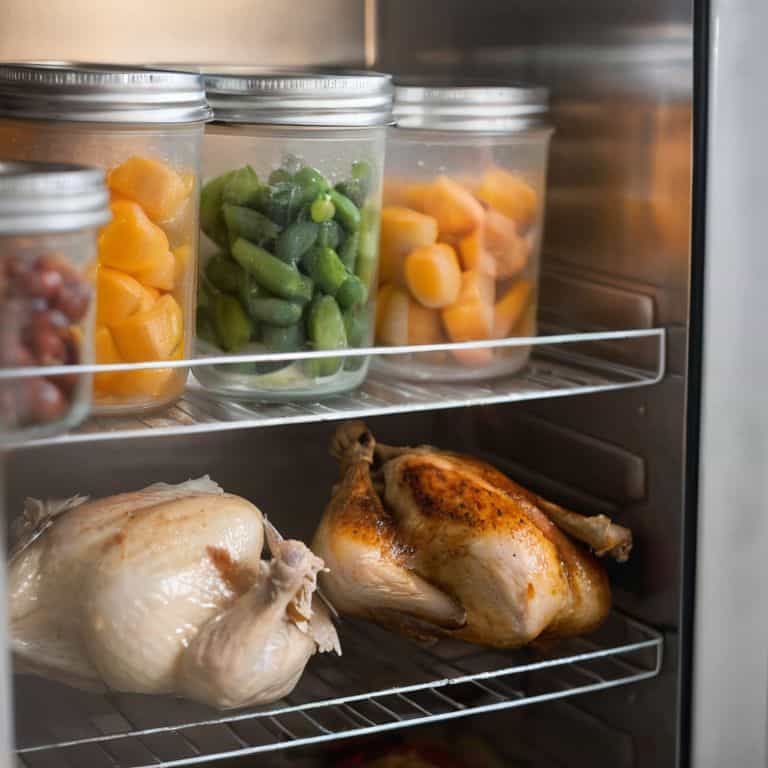
- Always label leftovers with the date they were cooked to ensure you use the oldest items first, just like a pilot follows a pre-flight checklist
- Store leftovers in airtight, shallow containers to prevent bacterial growth, much like a well-maintained aircraft prevents mechanical issues
- Reheat leftovers to an internal temperature of at least 165°F (74°C) to kill bacteria, similar to how a pilot navigates through turbulent air
- Freeze leftovers promptly if you don’t plan to eat them within 3 to 4 days, just as a pilot files a flight plan to ensure a smooth journey
- Check leftovers for signs of spoilage before consuming, such as unusual odors or slimy texture, just like a pilot conducts a post-flight inspection to ensure the aircraft is airworthy
Key Takeaways: Navigating Leftover Food Safety
Always store leftover food in airtight, shallow containers at a consistent refrigerator temperature below 40°F (4°C) to prevent bacterial growth
Freeze leftovers promptly if you don’t plan to consume them within 3 to 4 days, and ensure your freezer is at 0°F (-18°C) or below for optimal food preservation
Reheat frozen meals to an internal temperature of at least 165°F (74°C) to prevent food poisoning, and never reuse a plate or utensils that have come into contact with raw or undercooked food
Navigating the Skies of Leftover Food Safety
Just as a well-planned flight requires a thorough understanding of weather patterns, a safe and healthy meal depends on navigating the turbulent world of leftover food storage, where the horizon of freshness is always shifting.
Daniel Sato
Safe Landing: Conclusion on Leftover Food Shelf Life
As we conclude our journey through the world of leftover food, it’s essential to remember the key points that will keep you and your loved ones safe from foodborne illnesses. We’ve covered the importance of proper storage, accurate reheating techniques, and maintaining a clean environment. By following the guidelines outlined in this article, you’ll be well on your way to becoming a master of leftover food management. Whether you’re a busy professional or a parent trying to make mealtime easier, understanding how long leftover food is good for can be a game-changer. So, take a moment to review the turbulent tables and storage best practices we’ve discussed, and get ready to take your food safety skills to new heights.
As you move forward, remember that knowledge is power, and in the case of leftover food, it’s the power to protect yourself and others from harm. Don’t be afraid to get creative with your leftovers, and always keep in mind that a little planning and attention to detail can go a long way. Just as a pilot must navigate through turbulent skies, you too can navigate the world of leftover food with confidence and ease. So, go ahead, take the controls, and make informed decisions about the food you eat – your taste buds and your health will thank you.
Frequently Asked Questions
What are the most common types of leftover food that are prone to spoilage?
Let’s take a look at the most common culprits. Typically, leftover foods like dairy, meat, and fish dishes are prone to spoilage due to their high moisture content. Think of it like flying through turbulence – these foods can quickly go from safe to spoiled if not handled properly.
How can I determine if a leftover food has gone bad, even if it's been stored properly?
To determine if leftover food has gone bad, use your senses: check for unusual odors, slimy textures, or mold. If it looks, smells, or tastes off, it’s best to err on the side of caution and discard it. Think of it like a pre-flight check – if something doesn’t feel right, don’t take off.
Are there any specific leftover foods that can be safely stored for an extended period, such as weeks or even months?
Just like planning a long-haul flight, some leftovers can be stored for extended periods. Foods like cooked meats, soups, and stews can be safely frozen for weeks or even months when stored at 0°F (-18°C) or below.