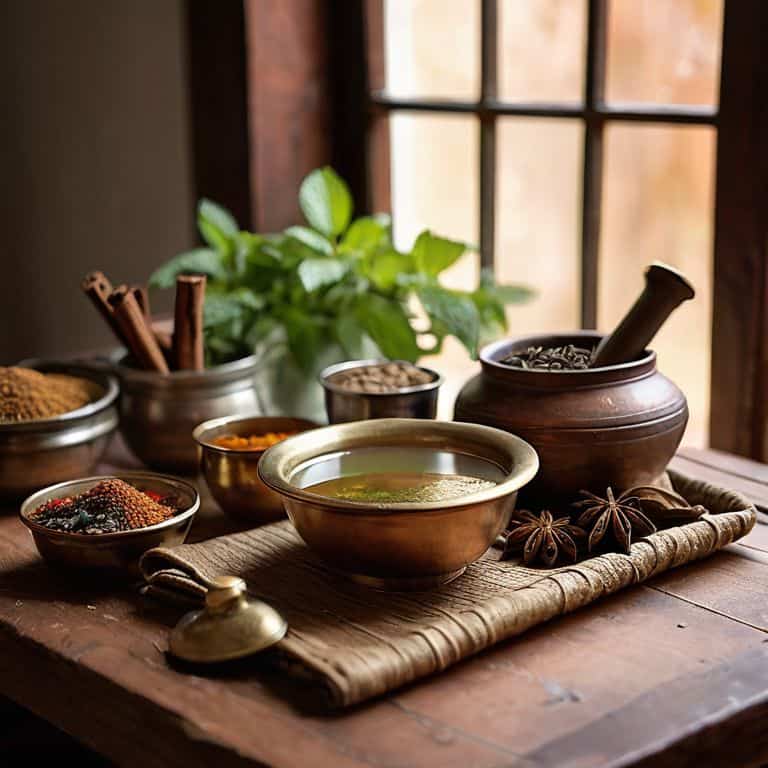
I still remember the first time I had authentic chai tea in India – it was love at first sip! The flavors were so rich and vibrant, it was like nothing I’d ever tasted before. When I asked the vendor how to make it, he smiled and said it was all about the quality of the ingredients and the art of blending. I’ve since learned that how to make chai tea from scratch is not just about following a recipe, but about understanding the culture and tradition behind it. So many people try to simplify it, but the truth is, there’s no substitute for using real spices and teas.
As someone who’s spent years traveling the world and learning from the best street food vendors, I’m excited to share my own secrets for making authentic chai tea. In this article, I’ll take you through the process of how to make chai tea from scratch, from selecting the finest ingredients to brewing the perfect cup. I’ll share my own experiences, from the bustling streets of Mumbai to the quiet tea houses of the Himalayas, and provide you with a simple, no-nonsense recipe that will transport you to the heart of India. Whether you’re a seasoned tea lover or just starting to explore the world of chai, I promise you’ll find something new and exciting in these pages.
Table of Contents
Recipe Details
Ingredients
- 2 teaspoons loose-leaf black tea (Assam or Ceylon work well)
- 1 teaspoon ground cinnamon (freshly grated for best flavor)
- 1/2 teaspoon ground ginger (or 1-inch piece of fresh ginger, sliced)
- 1/2 teaspoon ground cardamom (or 2-3 whole cardamom pods, crushed)
- 1/4 teaspoon ground black pepper (optional, but traditional)
- 1 cup milk (dairy or non-dairy, such as almond or soy milk)
- 1 cup water (filtered for best taste)
- 1 tablespoon honey or sugar (or to taste, optional)
Tools & Supplies
- Medium saucepan
- Tea strainer or infuser
- Mortar and pestle (optional, for grinding spices)
- Whisk or spoon for mixing
Recipe Instructions
Step 1
First, let’s start with the basics – gathering our ingredients. To make authentic Indian chai tea from scratch, you’ll need to get your hands on some amazing spices, just like the ones I discovered on my travels. I’m talking about the likes of cinnamon sticks, cardamom pods, and ginger root. These aromatics will form the foundation of our chai, so don’t be shy about experimenting with different quantities to find your perfect blend.
Step 2
Next, we need to prepare our spices for brewing. This involves grinding the spices into a coarse powder using a mortar and pestle or a spice grinder. I like to think of this step as the beginning of our journey, where the raw ingredients start to release their flavors and aromas. Be careful not to over-grind, as this can lead to a bitter taste in your final brew.
Step 3
Now it’s time to heat things up. In a large saucepan, bring 2 cups of water to a boil. Once the water is rolling, add in your ground spices, including the cinnamon, cardamom, and ginger. Reduce the heat to a simmer and let the spices infuse into the water for about 10-15 minutes, or until the mixture has reduced slightly and the flavors have melded together.
Step 4
While our spice mixture is simmering away, we can start preparing our tea leaves. I like to use a strong black tea, such as Assam or Ceylon, to provide a robust base for our chai. Measuring out the right amount of tea leaves is crucial, as too little can result in a weak brew, while too much can be overpowering. I find that about 1 teaspoon of loose-leaf tea per 8 oz of water is the perfect ratio.
Step 5
With our spice mixture and tea leaves ready, it’s time to bring everything together. Add the tea leaves to the saucepan with the spice mixture and let it steep for an additional 3-5 minutes, or until the tea has reached your desired strength. Then, add in your milk and sugar to taste – I like to use a combination of whole milk and honey to give my chai a rich, creamy flavor. Stir everything together and strain the mixture into your cups to serve.
How to Make Chai Tea From Scratch
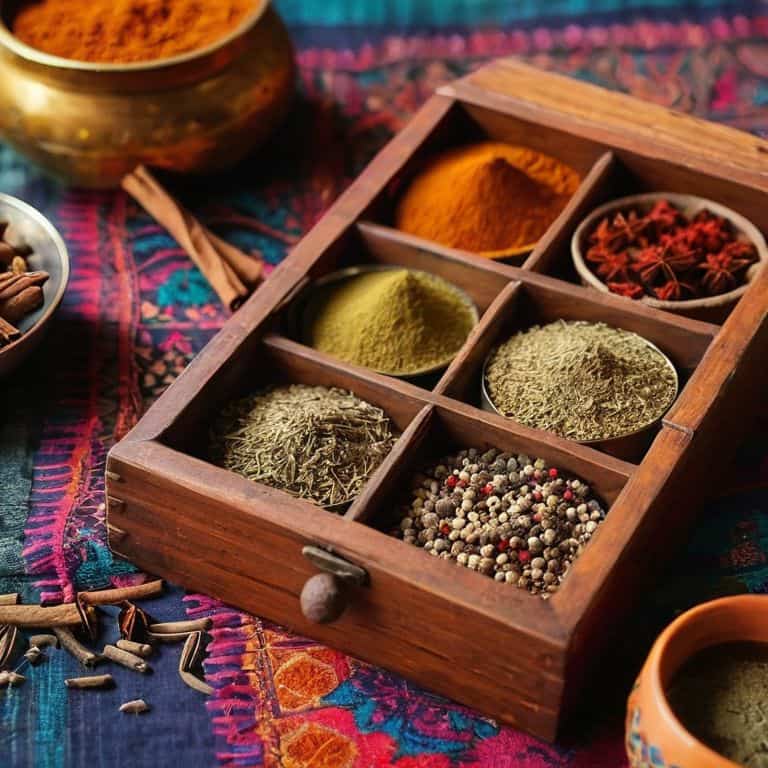
As I delved deeper into the world of Indian spices, I discovered the magic of an authentic Indian spice blend for chai. This carefully crafted mix of spices is what sets authentic chai apart from its commercial counterparts. I recall a particular street vendor in Mumbai who would add a pinch of this blend to every cup, saying it was the secret to bringing out the true flavor of the tea. When brewing your own chai, be sure to experiment with different ratios of spices to find your perfect balance.
One of the most significant advantages of using loose leaf black tea is the depth of flavor it adds to your chai. Not only does it provide a richer taste, but it also allows for a more nuanced infusion of the spices. I’ve found that combining this with dairy-free milk alternatives can create a truly unique and refreshing twist on traditional chai. Whether you’re using almond milk or coconut milk, the key is to find a balance that complements the spices without overpowering them.
As you continue to experiment with your chai recipe, consider trying out different traditional chai tea brewing methods. From the ancient Indian technique of brewing tea in clay pots to the modern convenience of a French press, each method can impart a distinct character to your chai. By embracing these variations and finding what works best for you, you’ll be well on your way to creating a truly authentic chai experience that rivals even the most seasoned street vendors.
Benefits of Loose Leaf Black Tea
As I sipped on the rich, aromatic brews from street vendors in India, I discovered the magic of loose leaf black tea. It’s the backbone of authentic chai, and for good reason. The benefits are numerous – from a more complex flavor profile to a lower risk of bitterness. I recall a wise old tea vendor in Kolkata telling me, “Marco, my friend, loose leaf tea is like a warm hug for your senses.” He was right; the nuanced flavors and aromas of loose leaf black tea elevate the entire chai experience.
Using loose leaf black tea also allows for a more controlled brewing process, which is essential for achieving that perfect balance of spices and tea. I’ve found that the quality of the tea leaves can make or break the flavor of the chai, and loose leaf always delivers a more satisfying cup. Whether I’m brewing a pot in my own kitchen or sipping on a steaming cup from a Mumbai street stall, loose leaf black tea is the key to unlocking the true essence of chai.
Uncovering Indian Spice Blend for Chai
As I wandered through the bustling markets of Mumbai, I became obsessed with uncovering the secret to authentic Indian chai. It all started with the spice blend, a carefully guarded mix of warming spices that seemed to vary from vendor to vendor. I spent hours chatting with local grandmothers, learning about their unique combinations of cinnamon, cardamom, ginger, and cloves. Each spice added a depth and complexity to the tea that was nothing short of magical.
I recall one particularly memorable encounter with a street vendor in Old Delhi, who shared with me her family’s treasured spice blend recipe. The aroma of freshly ground spices still transports me back to that moment, and I’m excited to share this blend with you, so you can experience the authentic taste of Indian chai in your own home.
Steeping in Wisdom: 5 Essential Tips for Crafting Authentic Chai from Scratch
- I always start by selecting the finest loose-leaf black tea, just like the kind I discovered in the bustling markets of Mumbai
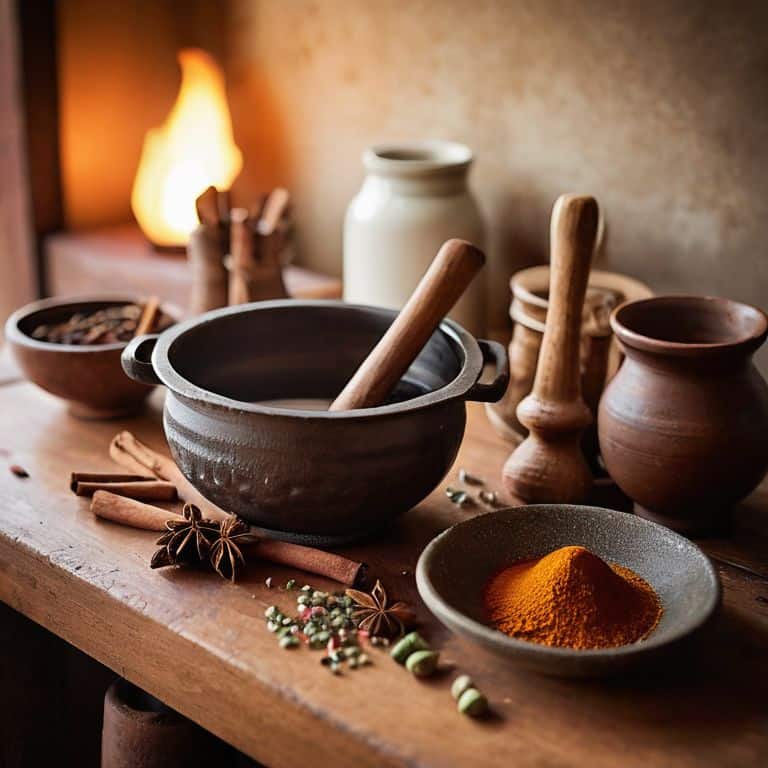
- Grinding your own Indian spice blend is crucial – I like to use a mortar and pestle to release the aromas of cinnamon, cardamom, and ginger
- Use whole milk for an authentic experience, just as the street vendors in Delhi do – it makes all the difference in the creamy texture and flavor
- Don’t be afraid to experiment with the ratio of spices to tea leaves – every region in India has its own secret recipe, and I love uncovering them on my travels
- Take your time and let the tea leaves steep for at least 5 minutes to allow the flavors to meld together – just like the slow pace of life in the Indian countryside, it’s all about patience and savoring the moment
Three Essential Lessons for the Perfect Cup
I’ve learned that the key to authentic Indian chai lies in the quality of the spices, particularly the proportion of cinnamon, cardamom, and ginger, which I discovered through my encounters with street vendors in Mumbai
Using loose-leaf black tea is crucial for an authentic chai experience, as it allows the leaves to unfurl and release their full flavor potential, a tip I picked up from a grandmother in Kolkata who has been making chai for over 40 years
Experimenting with the ratio of milk to tea and the type of milk used can significantly impact the flavor profile of your chai, a lesson I learned from trying various versions at a bustling market in Delhi, where every vendor seemed to have their own secret recipe
A Sip of Tradition
The art of making chai tea from scratch is not just about combining ingredients, it’s about unraveling the threads of a culture, one spice at a time, and weaving them into a tapestry of flavor that tells a story of its own.
Marco Bianchi
Savoring the Flavor of Adventure
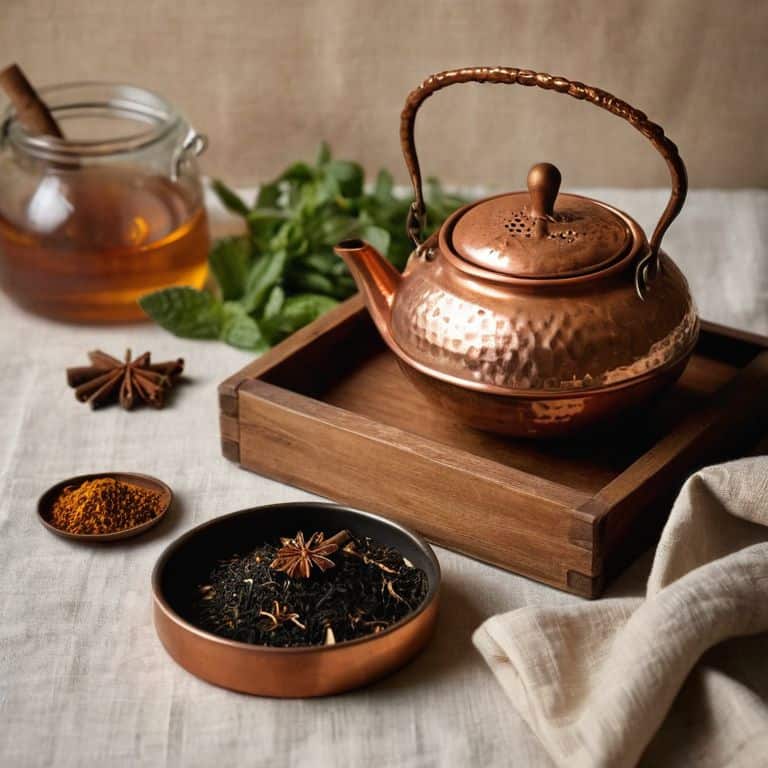
As I reflect on my journey to uncover the secrets of authentic Indian chai, I’m reminded of the importance of using high-quality ingredients, from the Indian spice blend to the loose leaf black tea. Uncovering the Indian spice blend for chai was a game-changer for me, as it added a depth of flavor that I had never experienced before. By following the recipe and steps outlined in this article, you’ll be well on your way to creating a delicious and authentic cup of chai tea from scratch. Whether you’re a seasoned traveler or an armchair adventurer, I hope this journey has inspired you to explore the rich flavors of India and beyond.
As you sip your perfectly balanced cup of homemade chai, remember that the true magic happens when we venture out of our comfort zones and embrace the unknown. For me, the art of making chai tea from scratch is not just about the recipe, but about the people, places, and stories that bring it to life. So go ahead, take a sip, and let the flavors transport you to the vibrant streets of Mumbai, or perhaps to a new destination altogether, where the next great culinary adventure awaits.
Frequently Asked Questions
What type of milk is traditionally used in Indian chai tea recipes?
In India, I’ve found that buffalo milk is the traditional choice for chai, but it’s often substituted with cow’s milk. Some street vendors even use a mixture of milk and water to create a creamy, yet subtle texture. I’ve grown fond of using buffalo milk in my own recipes, as it adds a rich, velvety flavor that’s hard to replicate with other types of milk.
Can I substitute loose leaf black tea with tea bags for a simpler brewing process?
While you can use tea bags, I found that loose leaf black tea truly brings out the authentic flavor of Indian chai. That being said, if you’re short on time, look for high-quality tea bags with a large cut of tea to minimize the loss of flavor and aroma.
How can I adjust the amount of spices in the Indian spice blend to suit my personal taste preferences?
The beauty of Indian spice blends lies in their customizability. When I was learning from a grandmother in Mumbai, she taught me to taste and adjust as I go. So, don’t be afraid to experiment – add a pinch more cinnamon, a dash less cardamom, until the flavor resonates with you. Remember, the key to authentic chai is finding your own perfect balance.