
As a nutritionist with a passion for baking, I’ve often found myself at the crossroads of almond flour vs coconut flour in baking. It’s a dilemma many of us face: which flour will yield the best results while still being a healthier alternative? I’ve spent countless hours experimenting with both, and I’ve come to realize that the answer isn’t as simple as it seems. The internet is flooded with recipes and advice, but it’s hard to know what to believe. That’s why I’m excited to share my own experiences and insights with you.
In this article, I promise to cut through the hype and give you a no-nonsense look at the benefits and drawbacks of each flour. I’ll share my favorite recipes and tips for using almond flour and coconut flour in baking, and provide you with the knowledge you need to make informed decisions about your own baking endeavors. My goal is to empower you to create delicious, healthy treats that you’ll love, without feeling overwhelmed by the options. So, let’s dive in and explore the world of almond flour and coconut flour together!
Table of Contents
Almond Flour
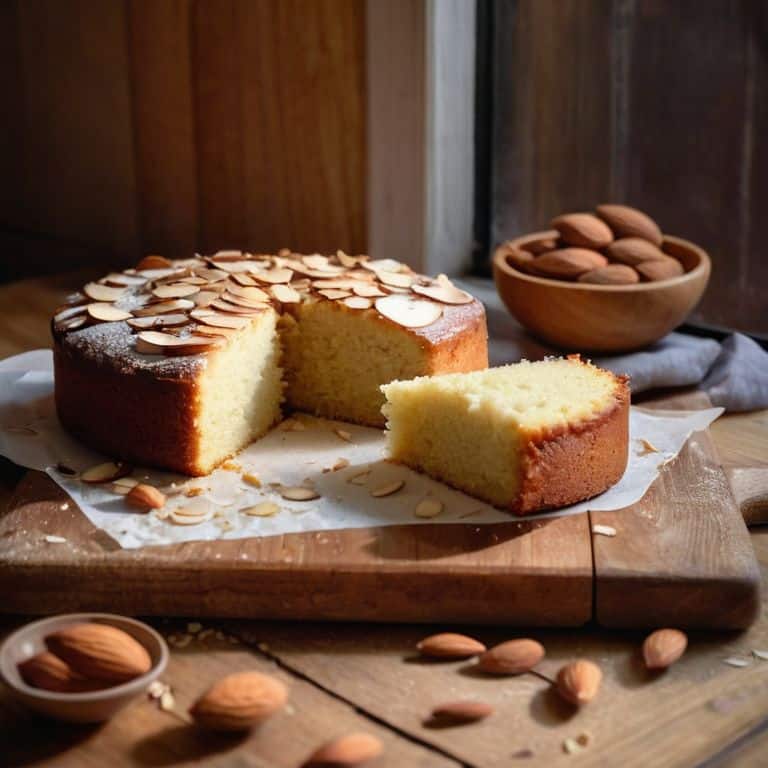
Almond flour is a popular alternative to traditional wheat flour in baking, made from ground almonds and often used in gluten-free recipes. Its core mechanism lies in its high protein and healthy fat content, which provides a unique texture and flavor to baked goods, making it an attractive option for those with dietary restrictions or preferences. The main selling point of almond flour is its ability to add moisture and tenderness to baked goods while maintaining a delicate flavor.
I’ve had the pleasure of experimenting with almond flour in my own kitchen, and I can attest to its versatility. When I’m trail running, I love snacking on homemade energy balls made with almond flour, nuts, and dried fruits – they’re the perfect combination of natural energy boost and delicious flavor. Almond flour has a way of making baked goods feel like a treat, rather than a restrictive diet option. By incorporating almond flour into my recipes, I’ve found that I can create guilt-free indulgences that nourish my body and satisfy my cravings.
Coconut Flour
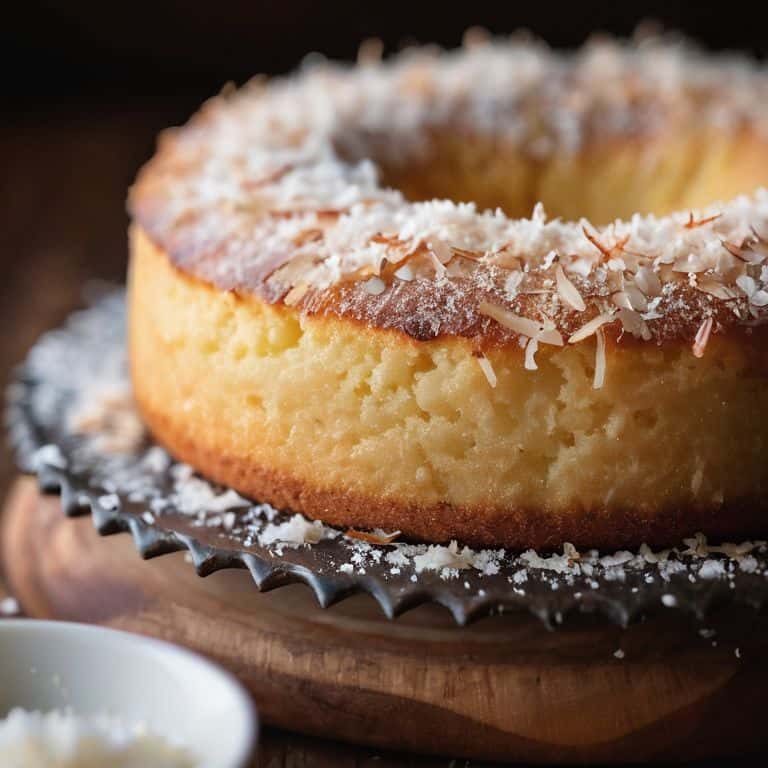
Coconut flour is a fiber-rich, gluten-free flour made from dried and ground coconut, often used as a low-carb alternative in baking. Its core mechanism relies on its high fiber content, which absorbs liquid and helps to bind ingredients together, creating a unique texture in baked goods. The main selling point of coconut flour is its low glycemic index, making it an attractive option for those monitoring their blood sugar levels or following a ketogenic diet.
As a nutritionist, I appreciate the nutritional benefits of coconut flour, particularly its high fiber content, which can help support healthy digestion. When I’m visiting farmers’ markets, I love discovering new recipes that incorporate coconut flour, such as coconut flour pancakes or muffins – they’re a great way to add extra fiber and nutrition to my breakfast routine. Coconut flour has a distinct flavor and texture that can be a bit tricky to work with, but with the right recipes and techniques, it can be a game-changer for those looking to create healthy and delicious baked goods.
Almond Flour vs Coconut Flour: Head-to-Head Comparison
| Feature | Almond Flour | Coconut Flour |
|---|---|---|
| Price | Higher ($10-$15 per pound) | Lower ($5-$10 per pound) |
| Key Feature | High protein, low carb, nutty flavor | High fiber, low carb, distinct flavor |
| Best For | Cakes, cookies, pastries, and breads | Gluten-free baked goods, desserts, and savory dishes |
| Shelf Life | 6-12 months when stored properly | 12-18 months when stored properly |
| Nutritional Content (per 1 cup) | 6g protein, 6g carbohydrate, 14g fat | 2g protein, 5g carbohydrate, 4g fat |
| Ratio for Substitution | 1:1 with wheat flour in some recipes | 1/4 to 1/3 cup coconut flour for 1 cup wheat flour |
| Allergen Consideration | Tree nut allergy concern | Low allergen potential, but check for cross-contamination |
Joyful Baking

When it comes to baking, joyful baking is at the heart of every delicious creation. It’s what makes the process enjoyable and the end result satisfying. This criterion matters because it’s not just about the ingredients, but about the experience of baking itself. Nourishing our bodies and souls through baking is essential, and both almond flour and coconut flour have the potential to bring us closer to that goal.
In a head-to-head analysis, almond flour seems to have a slight edge when it comes to versatility in recipes. It can be used to make a wide range of baked goods, from cakes to cookies, and even savory dishes. Coconut flour, on the other hand, requires more careful measurement and liquid adjustment, which can be a bit more challenging for novice bakers. However, the unique texture and flavor it adds to baked goods can be truly rewarding for those who master its use.
In conclusion, almond flour is the clear winner when it comes to joyful baking. Its ease of use and versatility make it an ideal choice for bakers who want to experiment with new recipes and have fun in the process. While coconut flour has its own unique benefits, almond flour’s overall user experience and creative possibilities make it the more enjoyable choice for bakers.
My Top 3 Takeaways for Baking with Almond and Coconut Flours
I’ve found that combining almond and coconut flours can create a match made in heaven, offering a delightful texture and flavor in my baked goods that’s both healthy and indulgent
Whether you’re a fan of almond flour’s nutty taste or coconut flour’s unique ability to absorb liquids, the key to joyful baking is experimentation and finding the perfect blend that makes you happy
By focusing on adding nutrients and flavor rather than just cutting calories, I’ve discovered that almond and coconut flours can be used to create decadent treats that nourish both body and soul, proving that healthy food can be the most desirable option of all
The Sweet Spot of Baking
When it comes to almond flour and coconut flour, the real magic happens not in comparing which one is better, but in discovering how they can come together in perfect harmony to create treats that are not only nutritious but also ridiculously delicious, making the baking process a true celebration of flavor and joy!
Laura Paskal
The Final Verdict: Which Flour Reigns Supreme?
As I reflect on my journey comparing almond flour and coconut flour in baking, I’m reminded that the key to successful substitution lies in understanding the unique characteristics of each. Almond flour brings a nutty flavor and delicate texture, while coconut flour offers a distinctive taste and impressive fiber content. By considering these factors, bakers can make informed decisions that elevate their creations. Whether you’re a seasoned pro or a curious beginner, the world of alternative flours is full of exciting possibilities.
So, which flour should you choose? Ultimately, almond flour is best suited for those seeking a traditional baking experience with a subtle twist, while coconut flour is ideal for adventurous bakers who crave a gluten-free and fiber-rich treat. If I had to declare an overall winner, I’d say almond flour takes the cake for its versatility and ease of use. However, coconut flour remains a close second for its exceptional nutritional benefits and unique flavor profile. By embracing both options, bakers can expand their repertoire and discover new favorites.
Frequently Asked Questions
What are the nutritional differences between almond flour and coconut flour that I should consider when baking?
Let’s dive into the nutritional nitty-gritty! Almond flour is higher in healthy fats and protein, while coconut flour is lower in calories and richer in fiber. Almond flour has about 6g of protein and 14g of fat per 1/4 cup, whereas coconut flour has 2g of protein and 1g of fat, but 10g of fiber.
How do almond flour and coconut flour affect the texture and consistency of my baked goods?
When it comes to texture and consistency, almond flour gives a delicate, tender crumb, while coconut flour absorbs more liquid, resulting in a denser, moister treat. I love experimenting with both to find the perfect balance – it’s all about understanding how they behave and adjusting your recipe accordingly!
Can I substitute almond flour for coconut flour in a recipe, or vice versa, without compromising the overall taste and quality?
Honestly, it’s not a straightforward swap – almond and coconut flours have different absorption rates and flavors. But don’t worry, with some tweaks, you can make it work! For example, if substituting almond flour for coconut flour, you may need to adjust the liquid content, while coconut flour can add a lovely texture, but requires more eggs or liquid to bind.