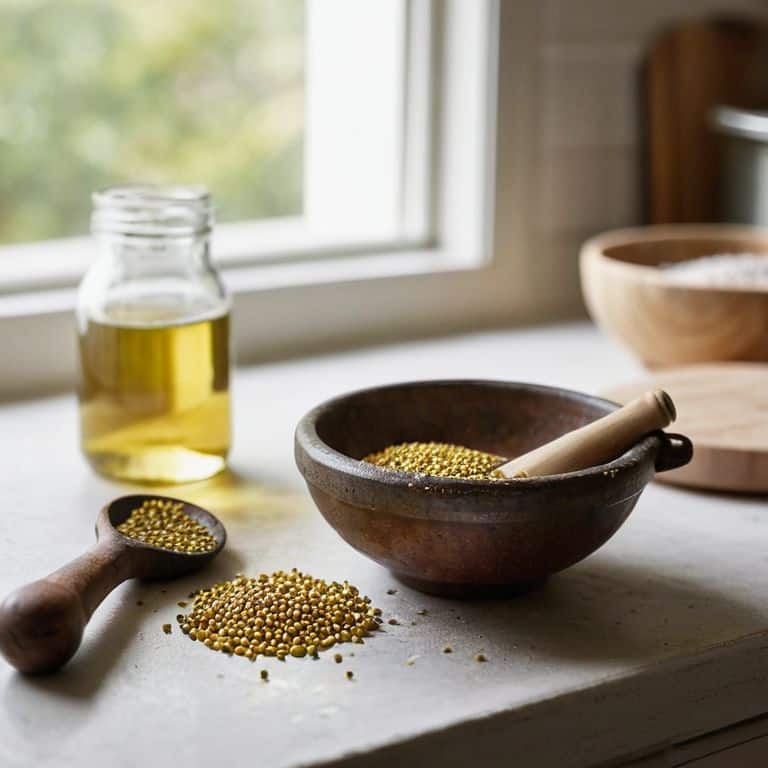
I still remember the first time I tried to make Dijon mustard at home. I was a bartender at the time, and I was obsessed with crafting the perfect cocktail. I thought that making my own Dijon mustard would be a game-changer, but all the recipes I found seemed to require a million ingredients and a PhD in chemistry. It wasn’t until I stumbled upon an old cookbook in a thrift store that I discovered the simple truth: making Dijon mustard at home is ridiculously easy. You don’t need a ton of fancy ingredients or equipment – just a few basic items and a willingness to get your hands dirty.
As someone who’s passionate about fermenting and preserving, I’ve learned that the key to making great Dijon mustard is to focus on the process, not just the end result. In this article, I’ll share my experience-based advice on how to make Dijon mustard at home, from the basics of ingredients and equipment to the tips and tricks I’ve learned along the way. I’ll show you how to create a delicious, tangy mustard that’s perfect for adding depth and flavor to your favorite dishes. My goal is to empower you to take control of your pantry and start creating your own amazing flavors from scratch. So, let’s get started and uncover the secrets of homemade Dijon mustard!
Table of Contents
Recipe Details
Ingredients
- 1/2 cup brown or white mustard seeds (you can use either or a mix of both)
- 1/4 cup white wine or vinegar (white wine is traditional for Dijon mustard, but any vinegar works)
- 1/4 cup water
- 1 tablespoon honey or sugar (optional, for a touch of sweetness)
- 1/2 teaspoon salt
- 1/4 teaspoon ground spices (such as turmeric, coriander, or cinnamon) (optional, for added depth of flavor)
Tools & Supplies
- Small saucepan
- Glass jar with a tight-fitting lid
- Cheesecloth or a fine-mesh strainer
- Immersion blender or regular blender
Recipe Instructions
Step 1
First, let’s start by gathering our ingredients, which include brown mustard seeds, white wine, water, salt, and a few other spices to give our Dijon mustard that extra kick. I like to think of this step as the foundation of our recipe, where we get to choose the best of the best to create something truly unique.
Step 2
Next, we need to _soak_ our mustard seeds in a mixture of water and white wine. This step is crucial because it helps to soften the seeds and brings out their natural flavor. I usually let them soak for at least a couple of hours, but if you’re in a hurry, you can get away with a shorter soaking time.
Step 3
Now it’s time to grind our soaked mustard seeds into a smooth paste. I use a old stone grinder that I found at a thrift store, but you can also use a food processor or even a mortar and pestle. The key is to get the seeds ground down to a consistency that’s smooth but still has a bit of texture to it.
Step 4
With our mustard paste ready, it’s time to add in the rest of our ingredients, including salt, honey, and a few other spices. I like to think of this step as the _flavor bomb_ phase, where we get to add in all the extra goodies that will make our Dijon mustard truly special. Mix everything together until you have a smooth, consistent paste.
Step 5
Finally, it’s time to taste and adjust our Dijon mustard. This is the fun part, where we get to add in a bit more of this or that until we get the flavor just right. I like to think of this step as the _artistic phase_, where we get to use our intuition and creativity to craft a truly unique flavor profile. Once you’re happy with the taste, transfer your Dijon mustard to a jar and store it in the fridge, where it will keep for several months.
Step 6
As a final touch, I like to _age_ my Dijon mustard for at least a week before serving. This allows the flavors to meld together and the mustard to develop a rich, complex flavor profile. Simply store the jar in a cool, dark place and let the magic happen. After a week, give it a try and see how the flavors have developed – I think you’ll be amazed at the difference.
Make Dijon Magic
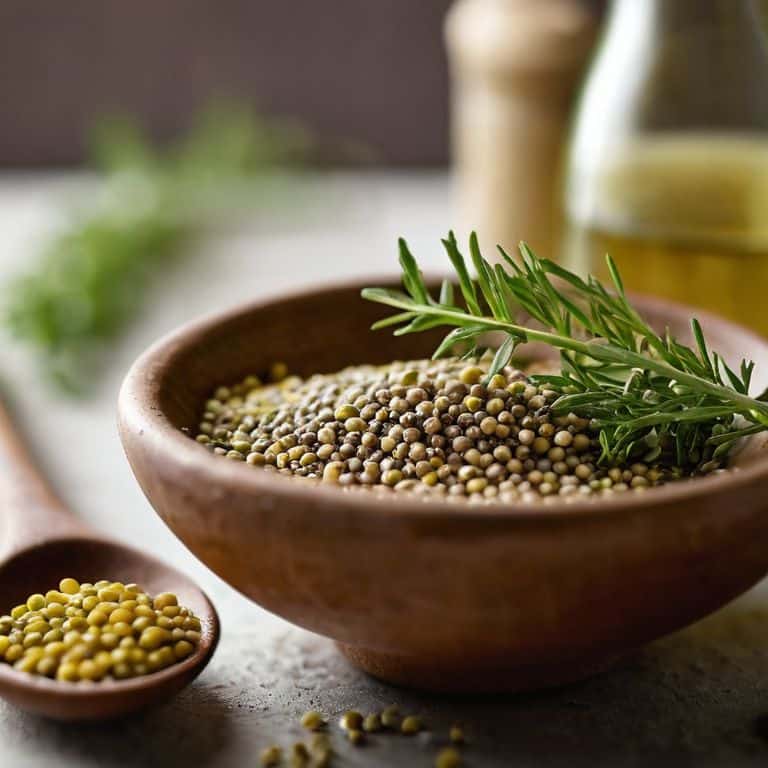
As I experiment with different types of mustard seeds for dijon, I’m always amazed by the unique flavors they bring to the table. From the spicy kick of brown mustard seeds to the milder taste of white mustard seeds, each variety adds a distinct character to my homemade mustard recipe with white wine. I love how the seeds’ natural oils and flavor compounds meld together with the wine, creating a rich and complex taste experience.
When it comes to crafting the perfect blend, I’m a big fan of spice blends for homemade dijon mustard. A pinch of this and a dash of that can completely transform the flavor profile. I’ve found that a hint of cumin and coriander can add a warm, earthy depth to my dijon, while a touch of turmeric provides a subtle, slightly bitter note. Of course, the beauty of making your own mustard lies in the freedom to experiment and find the perfect balance of flavors to suit your taste.
One of the most fascinating aspects of homemade dijon mustard is the aging process for homemade mustard. As the mixture sits, the flavors begin to mature and integrate, much like a fine wine. I’ve noticed that my dijon develops a deeper, more nuanced character after a few weeks, with the flavors becoming more harmonious and refined. Whether you’re a fan of smooth, creamy whole grain mustard or the tangy zip of traditional dijon, the aging process is what sets homemade mustard apart from its store-bought counterparts.
Blend Your Secret Spice Blends for Homemade Dijon
Now that we’ve got our mustard seeds in the game, it’s time to talk about the secret blend that’ll make your homemade Dijon truly pop. I’m obsessed with experimenting with different spice blends to give my mustard a unique twist. For a classic Dijon flavor, I swear by a mix of toasted coriander, brown mustard seeds, and a pinch of turmeric. But don’t be afraid to get creative and add your own favorite spices to the mix – a pinch of cumin or a dash of cayenne pepper can add a whole new level of depth to your mustard.
When I’m blending my spices, I love to think about the flavors I want to evoke. Do I want a bright, tangy mustard or a rich, earthy one? The beauty of making your own Dijon is that you can tailor the flavor to your taste buds. So don’t be shy – add a pinch of this, a dash of that, and taste as you go until you hit the perfect blend.
Seed Your Flavor Types of Mustard Seeds
I’m obsessed with the variety of flavors you can coax out of different mustard seeds. For my Dijon recipe, I swear by brown mustard seeds – they add this incredible depth and a slightly spicy kick. But don’t be afraid to experiment with yellow or black mustard seeds too; each brings its own unique character to the table. Yellow seeds are milder, while black seeds pack a more pungent punch. I love mixing and matching to create my own custom blends – it’s amazing how a small tweak can entirely change the flavor profile of your homemade mustard.
Dijon Like a Pro: 5 Tips to Elevate Your Homemade Mustard
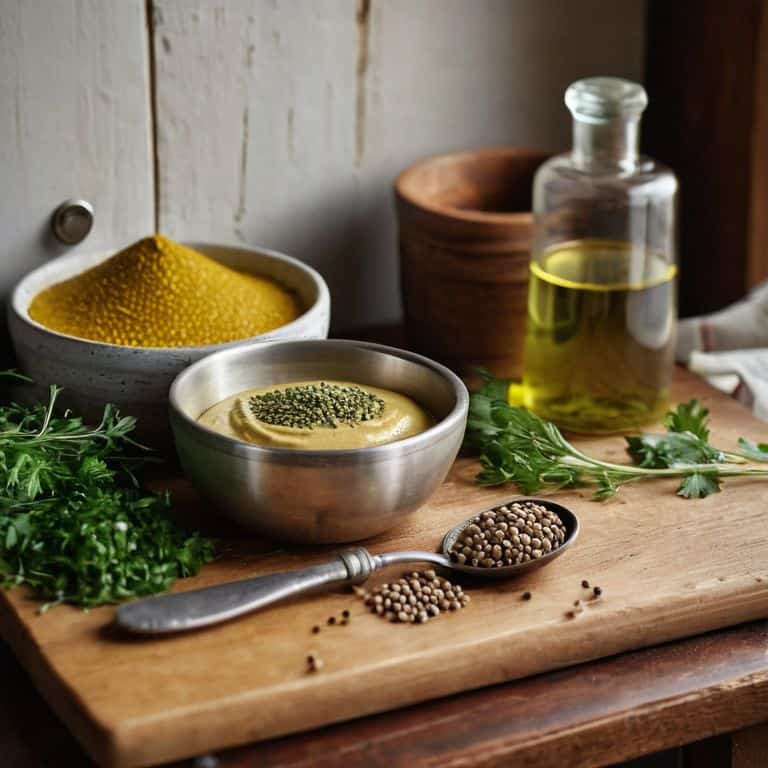
- Start with the right seeds: Invest in high-quality, fresh mustard seeds for the best flavor
- Acidity matters: Use a good white wine or apple cider vinegar to add depth and preserve your mustard
- Don’t over-grind: Leave a little texture to your mustard seeds for a more interesting and dynamic flavor profile
- Spice it up: Experiment with different spice blends, like a pinch of turmeric or cumin, to give your Dijon a unique twist
- Age to perfection: Let your homemade Dijon mustard sit for a few days to allow the flavors to mature and meld together
Homemade Dijon Mustard Essentials
By using just a few simple ingredients and some patience, you can create a rich, tangy Dijon mustard that elevates any dish and makes store-bought alternatives pale in comparison
Experimenting with different types of mustard seeds and spice blends allows you to tailor your Dijon mustard to your taste preferences, whether that’s a bit sweeter, spicier, or smokier
With a basic recipe and a willingness to get creative, you can make a variety of Dijon mustard flavors, from classic to innovative, and enjoy the satisfaction of serving something truly homemade and artisanal
The Heart of Homemade Dijon
The beauty of making Dijon mustard at home lies not just in the flavor, but in the freedom to experiment and make it your own – it’s a journey of discovery, one seed, one spice, and one stir at a time.
Tom Navarro
Bringing it all Together: Homemade Dijon Delight
As we’ve explored the world of homemade Dijon mustard, we’ve touched on the importance of using high-quality ingredients and the art of balancing flavors. From the different types of mustard seeds to the secret blends of spices, each element plays a crucial role in creating that unmistakable Dijon taste. By following the simple recipe and experimenting with various spice blends, you’ve not only learned how to make Dijon mustard at home but also gained a deeper understanding of the craftsmanship that goes into each jar. The process is just as valuable as the end result, and with these skills, you’ll be well on your way to becoming a master of your own pantry.
So, as you finish up your latest batch and proudly place it on your fermentation station or pantry shelf, remember that the true magic of homemade Dijon mustard lies not just in its taste, but in the connection it fosters between you, your food, and the people you share it with. Whether you’re a seasoned foodie or just starting to dip your toes into the world of DIY delights, the journey of creating something with your own hands is incredibly rewarding. Keep experimenting, keep pushing the boundaries of flavor, and most importantly, keep sharing your creations with the world.
Frequently Asked Questions
What's the best way to store homemade Dijon mustard to maintain its flavor and texture?
Storage is key! I like to keep my homemade Dijon in glass jars with tight-fitting lids, in the fridge. This slows down the flavor development, keeping it fresh for months. Give it a good stir before using, and don’t be afraid to get creative with those empty jars – they’re perfect for my next fermentation project!
Can I use a food processor or blender to grind the mustard seeds, or is a mortar and pestle really necessary?
Ah, the grinding game! While a mortar and pestle gives you that perfect, chunky texture, you can definitely use a food processor or blender in a pinch. Just be careful not to over-grind, or you’ll end up with a bitter mess. Pulse it, don’t puree it, and you’ll be golden!
How long does it typically take for homemade Dijon mustard to mature and develop its full flavor profile?
The waiting game is the hardest part! Homemade Dijon typically takes around 2-6 weeks to mature, with the flavor profile developing and deepening over time. I like to let mine sit for at least 30 days to really let the flavors meld together – trust me, it’s worth the wait!