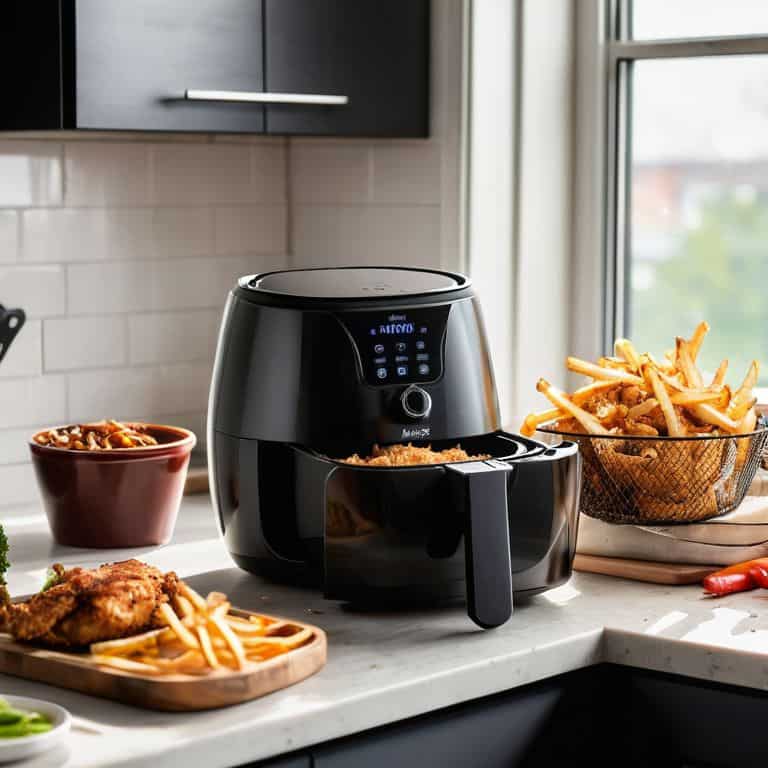
I still remember the day I brought home my first air fryer, excited to dive into the world of crispy, guilt-free snacks. But, as I soon discovered, avoiding common air fryer mistakes can be a daunting task, especially when you’re new to the game. It’s astonishing how a device meant to simplify cooking can be so finicky, and yet, most of us have fallen prey to at least one of these errors, wondering why our dishes don’t turn out as expected. The truth is, understanding and sidestepping these pitfalls is key to unlocking the full potential of your air fryer, and that’s where my journey began – a journey to uncover the truth behind common air fryer mistakes.
As someone who’s spent countless hours in the kitchen, testing and retesting recipes, I’ve learned that it’s not just about following a set of instructions, but about understanding the nuances of your equipment. In this article, I’ll share my hard-earned wisdom on how to avoid the most common air fryer mistakes, from overloading the basket to neglecting the importance of preheating. My goal is to provide you with practical, no-nonsense advice that will elevate your air fryer game and ensure that every dish that comes out of it is a success. By the end of this guide, you’ll be well on your way to becoming an air fryer master, capable of whipping up delicious, crispy treats with ease and confidence.
Table of Contents
Guide Overview: What You'll Need
Total Time: 30 minutes to 1 hour
Estimated Cost: $0 – $20
Difficulty Level: Easy
Tools Required
- Air Fryer (with user manual)
- Measuring Cups (dry and liquid)
- Kitchen Towels (for cleaning)
- Cutting Board (for food preparation)
Supplies & Materials
- Cooking Oil (for proper food seasoning)
- Fresh Food (for air frying)
- Baking Sheet (6 inches x 6 inches, for drip tray)
- Aluminum Foil (for easy cleanup)
Step-by-Step Instructions
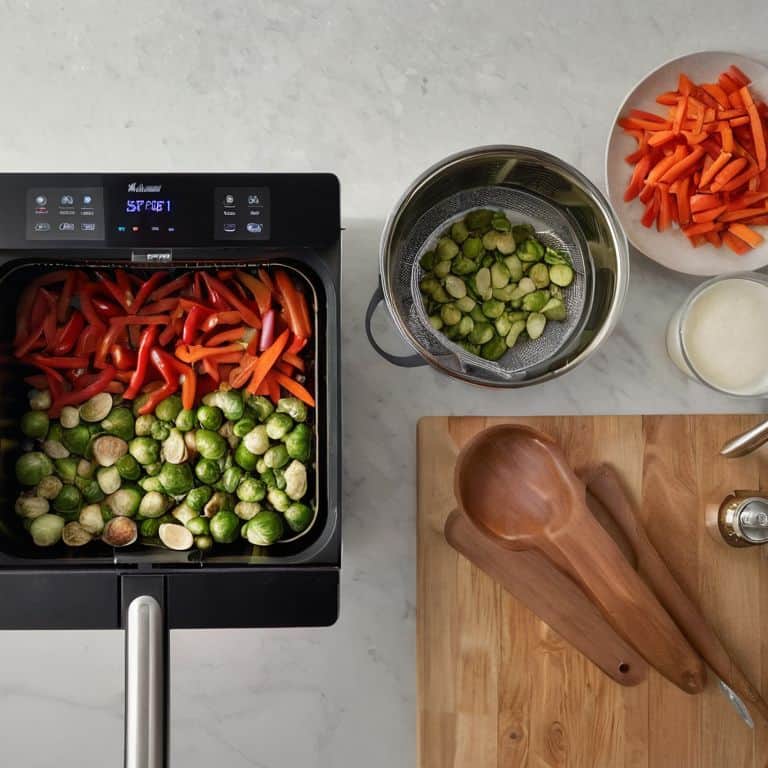
- 1. First, let’s talk about overcrowding the air fryer basket, which is a common mistake that can lead to uneven cooking and a less-than-desirable texture. To avoid this, make sure to leave enough space between each piece of food, allowing for air circulation to do its job. I like to think of it as giving each piece of food its own personal space to cook evenly.
- 2. Next, it’s essential to preheat the air fryer before adding your food. This step is often overlooked, but it’s crucial for achieving the right temperature and cooking time. I’ve found that preheating my air fryer for at least 2-3 minutes before cooking helps to ensure that my food is cooked consistently. It’s also important to note that different air fryer models may have varying preheating times, so be sure to check your user manual.
- 3. Now, let’s move on to the importance of pat dry excess moisture from your food before cooking. This is especially crucial when cooking foods like chicken or fish, as excess moisture can lead to a steamed rather than crispy texture. I like to use a paper towel to gently pat dry my food, removing any excess moisture that may be present. This simple step can make a big difference in the final result.
- 4. Another common mistake is not shaking the basket halfway through cooking. This helps to redistribute the food and ensures that everything is cooked evenly. I like to set a timer to remind myself to shake the basket, usually around the halfway point of the cooking time. This simple step can help to prevent hotspots and undercooked areas.
- 5. It’s also important to not open the air fryer too often, as this can release heat and affect the cooking process. I like to think of it as letting the air fryer do its job without interruptions. Instead, I recommend setting a timer and letting the air fryer cook for the recommended time before checking on your food. This will help to ensure that your food is cooked consistently and to the right temperature.
- 6. Next, let’s talk about temperature control, which is essential for achieving the right cooking results. Make sure to check your air fryer’s temperature settings and adjust them according to the type of food you’re cooking. I like to use a thermometer to double-check the temperature, especially when cooking sensitive foods like fish or eggs. This will help to ensure that your food is cooked to a safe internal temperature.
- 7. Finally, it’s essential to clean and maintain your air fryer regularly to prevent the buildup of grease and food residue. I like to clean my air fryer after each use, using a soft brush and mild soap to remove any food particles. This will help to prevent the growth of bacteria and keep your air fryer in good working condition. By following these simple steps, you can help to extend the life of your air fryer and ensure that it continues to perform at its best.
Exposing Common Air Fryer Mistakes
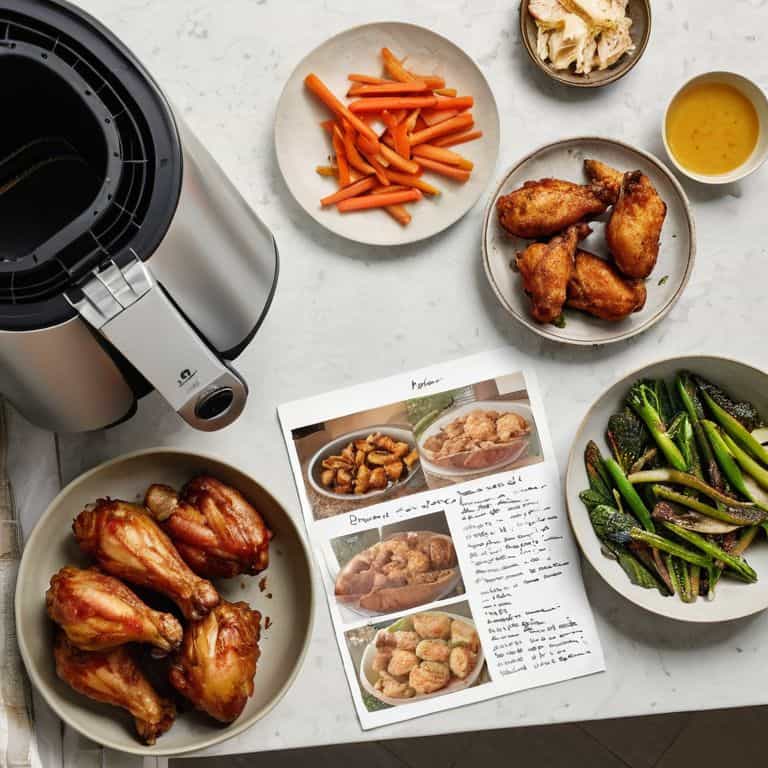
When it comes to using an air fryer, one of the most critical factors is understanding air fryer cooking times. I’ve found that many people underestimate the time it takes to cook certain foods, leading to undercooked or overcooked meals. To avoid this, I recommend creating a cheat sheet with specific cooking times for your favorite foods. This will help you develop a sense of timing intuition and ensure that your dishes turn out perfectly.
Another area where people often go wrong is with frozen food air fryer tips. It’s essential to pat dry frozen foods before cooking to remove excess moisture, which can lead to a less crispy exterior. I’ve also found that preheating the air fryer before adding frozen foods can make a significant difference in the final result. By following these simple tips, you can achieve crispy perfection with your frozen foods.
To get the most out of your air fryer, it’s also crucial to follow proper air fryer maintenance tips. Regularly cleaning the air fryer basket and pan is vital to prevent food residue from building up and affecting the taste of your dishes. I’ve developed a few air fryer basket cleaning hacks that make the process quick and easy, ensuring that your air fryer continues to perform at its best.
Frozen Food Fails and Fixes
When it comes to cooking frozen foods in the air fryer, I’ve seen many people fall into the trap of overcooking or undercooking their meals. The key is to understand that frozen foods require a bit more attention and adjustment of cooking times. I’ve found that increasing the cooking time by about 50% and shaking the basket halfway through can make all the difference. For example, frozen fries need a slightly longer cooking time than their fresh counterparts, while frozen chicken nuggets require a lower temperature to prevent burning.
By making these simple adjustments, you can achieve perfectly cooked frozen meals in your air fryer. I’ve compiled a table of common frozen foods and their adjusted cooking times, which I’ll share in my next post. This will be a handy reference guide to ensure you get the best results from your air fryer every time.
Mastering Air Fryer Cooking Times
To truly master air fryer cooking, you need to get a handle on cooking times. I’ve found that a lot of recipes provide vague guidelines, which can lead to undercooked or overcooked food. In my testing, I’ve developed a comprehensive chart that outlines ideal cooking times for various foods, from chicken wings to roasted vegetables. By referencing this chart, you can ensure that your dishes turn out perfectly cooked every time.
By mastering cooking times, you’ll be able to achieve consistent results and take your air fryer cooking to the next level. I’ve included my chart in the appendix of this guide, so be sure to check it out and start experimenting with different recipes and cooking times.
Avoiding Air Fryer Faux Pas: 5 Tips to Get You Cooking Like a Pro
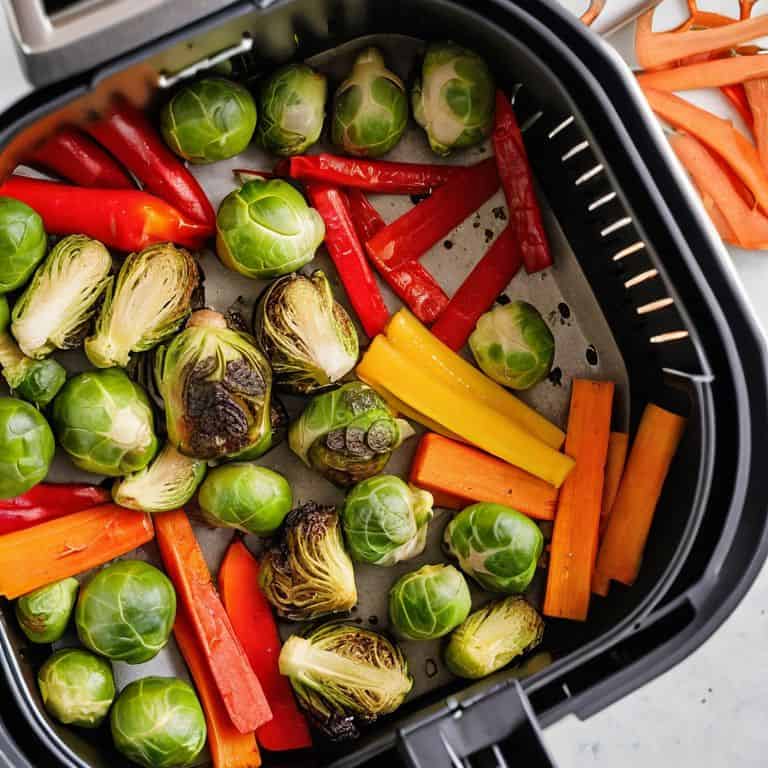
- Overcrowding the Basket: Leaving enough space between foods for air to circulate is crucial for even cooking, so don’t be tempted to overload your air fryer
- Not Preheating: Just like a conventional oven, preheating your air fryer ensures consistent results, especially when cooking sensitive foods like fish or eggs
- Using the Wrong Cooking Spray: Some cooking sprays can leave a residue on your air fryer basket, so choose a spray that’s specifically designed for high-heat cooking
- Ignoring the Manufacturer’s Guidelines: Each air fryer model is unique, so take the time to read the manual and follow the recommended cooking times and temperatures for your specific machine
- Not Cleaning the Air Fryer Regularly: Food residue and grease can build up quickly in an air fryer, so make sure to clean it after every use to prevent bacterial growth and maintain its performance
Key Takeaways to Perfect Your Air Fryer Game
Mastering precise cooking times is crucial to avoid overcooking or undercooking your dishes, and it’s essential to consult the user manual or experiment with different times to find the sweet spot for your favorite recipes
Choosing the right type and amount of oil can make a significant difference in the quality of your air-fried food, and it’s vital to select oils with high smoke points to prevent burning or smoking
Properly preheating and cleaning your air fryer, as well as storing it correctly, can significantly extend its lifespan and maintain its performance, making it a valuable investment for your kitchen
The Air Fryer Reality Check
The biggest mistake people make with their air fryers isn’t the temperature or the timing – it’s the assumption that they can just set it and forget it, without putting in the effort to understand how this powerful tool really works.
Katherine "Kate" Reed
Conclusion: Mastering Your Air Fryer
As I conclude this guide on common air fryer mistakes, I want to emphasize the importance of understanding your air fryer’s unique characteristics and limitations. By mastering air fryer cooking times and avoiding frozen food fails, you’ll be well on your way to creating delicious, crispy snacks with ease. Remember, it’s all about finding that perfect balance between temperature, time, and food type. With practice and patience, you’ll become a pro at whipping up mouth-watering dishes that will impress your family and friends.
So, don’t be discouraged if your first few attempts at air fryer cooking don’t turn out as expected. Experimentation is key, and it’s all part of the learning process. With time and experience, you’ll develop a keen sense of what works and what doesn’t, and you’ll be able to push the boundaries of what’s possible with your air fryer. Happy cooking, and I look forward to sharing more kitchen tips and tricks with you in the future!
Frequently Asked Questions
What are the most common air fryer mistakes that can lead to unevenly cooked or burnt food?
I’ve pinpointed the top culprits: overcrowding the basket, incorrect temperature settings, and inadequate shaking. These mistakes can lead to hotspots, undercooked areas, and even burnt offerings. To avoid them, make sure to leave enough space between foods, consult your user manual for temp guides, and give that basket a good shake halfway through cooking.
How can I ensure I'm using the right temperature and cooking time for specific types of food in my air fryer?
To nail the right temperature and cooking time, I always consult the user manual or look up the manufacturer’s guidelines for specific foods. I also keep a cheat sheet on my fridge with common cooking times and temps for reference. It’s all about finding that sweet spot!
Are there any specific air fryer models that are more prone to common mistakes, and how can I choose a reliable one?
Honestly, some air fryer models are more finicky than others. I’ve found that cheaper, non-stick coated models tend to be more error-prone. When choosing a reliable one, look for durable materials, precise temperature control, and a user-friendly interface. I’ve got a spreadsheet comparing top models – I can give you some personalized recs if you’d like.