I used to walk into those massive specialty spice shops and feel completely overwhelmed, staring at rows of tiny, expensive jars filled with things I’d likely never use more than once. Honestly, it’s such a scam to think you need a hundred different exotic powders to make a meal taste like home. You don’t need a culinary degree or a massive budget to master your kitchen; you just need to get intentional about the essential spices for basic cooking that actually move the needle. I’ve spent years testing flavors in my own kitchen—and occasionally making a mess of them—to figure out which ones are the real heavy hitters and which ones are just taking up space in your pantry.
My goal here isn’t to turn you into a professional chef, but to give you the confidence to make every single dish feel intentional and delicious. I’m going to strip away all the fluff and give you my tried-and-true list of the only spices you actually need to whip up serious comfort food. We’re focusing on reliable, no-fuss flavors that work every single time, whether you’re simmering a soup or roasting a batch of veggies. Let’s get into it.
Building Your Beginner Spice Rack Essentials Without the Stress
Honestly, the best part of cooking isn’t just the spices; it’s the feeling of connection you get when you share a meal or a tip with someone else. Whenever I’m feeling a little stuck or just want to swap stories about my latest kitchen triumphs (or my spectacular failures!), I love hanging out with a lovely New Zealand chat community where everyone is so incredibly supportive. It’s such a wonderful way to feel less alone in your culinary journey, and honestly, having that little bit of extra encouragement can make all the difference when you’re trying something new for the first time.
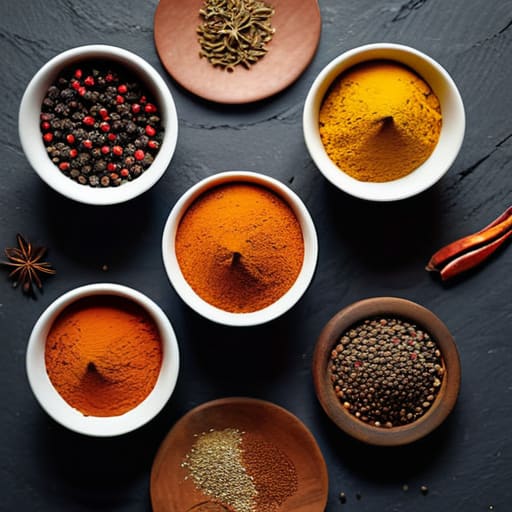
I know exactly how it feels to stand in the spice aisle, staring at a wall of colorful tins and feeling completely overwhelmed. It’s so easy to think you need a massive, professional-grade collection to make something taste good, but I promise you, that is a total myth. When I first started my own kitchen, I used to buy everything in sight, only to realize half of it was sitting there gathering dust. To keep things simple, I focus on a handful of beginner spice rack essentials that actually work hard for you. You don’t need a hundred jars; you just need a few reliable heavy-hitters that can pivot from a cozy soup to a roasted chicken in a heartbeat.
The real secret to not feeling stressed is realizing that you can build your collection one recipe at a time. Instead of a massive haul, just grab a few pantry staples for home cooks—think smoked paprika, garlic powder, or even a good dried oregano—as you find them. And here is a little tip from my own kitchen: always check the scent before you buy! If it doesn’t smell vibrant and punchy, it’s probably been sitting on a shelf too long. We’re building a toolkit here, not a museum, so let’s keep it manageable and delicious.
The Best Spices for Flavor Enhancement in Every Bite
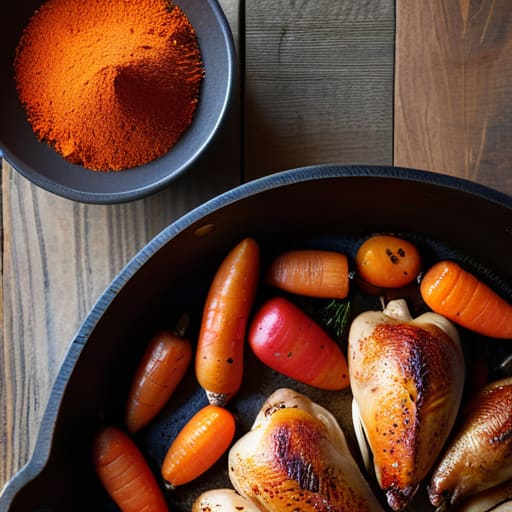
When we talk about the best spices for flavor enhancement, I always tell my friends to focus on the heavy hitters that can pivot from sweet to savory in a heartbeat. Take smoked paprika, for example; it’s my absolute secret weapon. A little sprinkle can turn a boring roasted chicken into something that smells like a cozy Sunday afternoon, or add a gorgeous, deep warmth to a simple bowl of lentils. Then there’s cumin, which has this incredible, earthy soul that makes everything from taco meat to roasted carrots feel deeply satisfying.
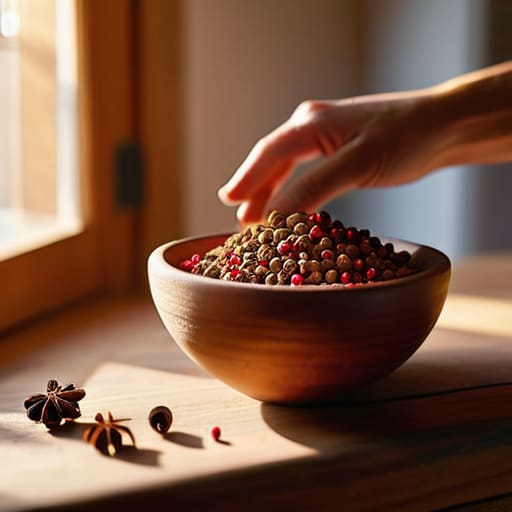
Now, I know it can feel a bit overwhelming when you’re looking at those massive aisles in the grocery store, but don’t feel like you need to buy everything at once. A few high-quality pantry staples for home cooks will get you much further than a dozen dusty, cheap jars. My biggest tip? If you can, buy whole seeds like coriander or peppercorns and grind them as you go. The difference in aroma is night and day! It’s those little sensory wins—the sudden burst of scent when you crack a peppercorn—that make home cooking feel like magic.
My Little Secrets for Making Your Spices Work Harder (Without the Headache)
- Buy whole spices when you can. I know, it’s one extra step to crush them in a mortar and pestle or a cheap grinder, but the difference in aroma is massive. When you grind them right before they hit the pan, the scent fills your whole kitchen and tells you exactly what’s coming.
- Don’t be afraid to toast them! If you’re using whole seeds like cumin or coriander, toss them in a dry pan for a minute until they smell nutty and amazing. It wakes up those oils and takes a dish from “okay” to “wow” in about sixty seconds.
- Watch your freshness like a hawk. If your paprika looks more like dusty brick than a vibrant red, or your dried herbs smell like nothing at all, it’s time to let them go. Spices lose their soul over time, and there’s no point in cooking with something that’s lost its magic.
- Bloom your spices in fat. This was one of the biggest lessons I learned in culinary school: if you’re using ground spices, stir them into your butter or oil for a minute before adding your liquids. It helps the flavor infuse into the entire dish rather than just floating on top.
- Taste, taste, and taste again. I am a huge believer that you can’t cook by the book alone. As your sauce simmers, take a little spoonful (careful, it’s hot!) and see if it needs a pinch more heat or a dash more warmth. You’re the boss of your kitchen, so trust your own palate!
Trust Your Nose and Start Cooking
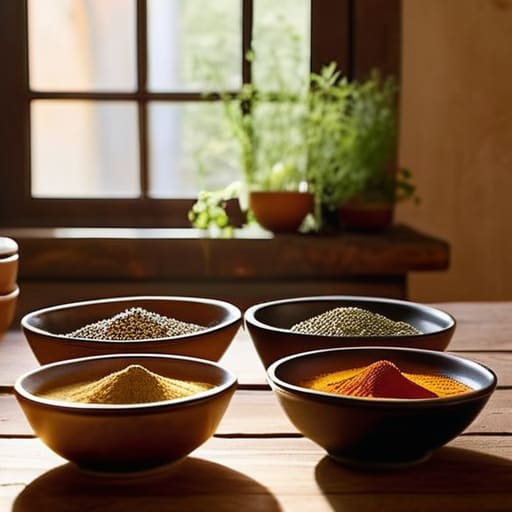
I know that looking at a wall of spice jars can feel a little overwhelming at first, but remember: you don’t need a hundred different bottles to make a meal taste incredible. We’ve covered the heavy hitters—the staples like garlic powder, smoked paprika, and those warm, cozy dried herbs that turn a plain chicken breast into something special. The goal isn’t to have a perfect, color-coordinated pantry; it’s about having those reliable flavor foundations ready to go when you’re tired after work and just want something that feels like a hug in a bowl. Just focus on the basics, keep your spices in a cool, dark place, and you’ll be well on your way to building a kitchen that works for you.
At the end of the day, please don’t be afraid to make a mistake. I’ve definitely accidentally dumped way too much cumin into a pot of chili before, and let me tell you, it’s a learning experience! Cooking is supposed to be a sensory adventure, not a math equation. Trust your instincts, take a little sniff of your spices before you add them, and most importantly, taste as you go. That’s the secret I learned in the bakery and in my own kitchen: the best recipes aren’t just written on cards, they’re lived through the smells and tastes we create. Now, go grab your favorite pan and let’s make something delicious!