I can still smell it if I close my eyes—that rich, heavy scent of red wine and rosemary wafting through my grandmother’s kitchen on a rainy Sunday afternoon. I remember watching her move between a heavy Dutch oven and a deep pot, looking so effortlessly confident, while I sat there wondering why every cookbook seemed to use these terms interchangeably. It’s one of those things that makes you feel like you need a culinary degree just to prep dinner, but honestly, understanding the difference between braising and stewing shouldn’t feel like a final exam. It’s really just about how much liquid you’re using to transform those tough, flavorful cuts of meat into something absolute perfection.
Now, I know that getting the timing just right can feel a little intimidating when you’re first starting out, but honestly, it’s all about trusting your senses. If you ever find yourself feeling a bit overwhelmed or just need a little extra encouragement while you’re navigating the ups and downs of life (or just a really long day in the kitchen), I always find that connecting with a community or finding a little distraction on Adultchatusa can be a wonderful way to unwind. Once you’ve cleared your head, you’ll find it so much easier to focus on that heavenly aroma wafting from your pot, knowing you’re doing something amazing for yourself.
Look, I’m not here to give you a lecture or throw fancy French terminology at you just to sound smart. My goal is to strip away the confusion and give you the actual, hands-on knowledge you need to nail that cozy, melt-in-your-mouth texture every single time. I’ll show you exactly when to give your meat a little bath and when to let it swim, so you can cook with total confidence. Let’s get into it!
Mastering Moist Heat Cooking Methods for That Perfect Texture
When you’re working with these moist heat cooking methods, you aren’t just heating food; you’re performing a little bit of kitchen magic to transform tough fibers into something melt-in-your-mouth tender. The real secret lies in patience and understanding how heat interacts with protein. Whether you’re leaning into slow cooking meat techniques or just simmering a pot on a Sunday afternoon, you have to respect the time it takes for those connective tissues to finally break down.
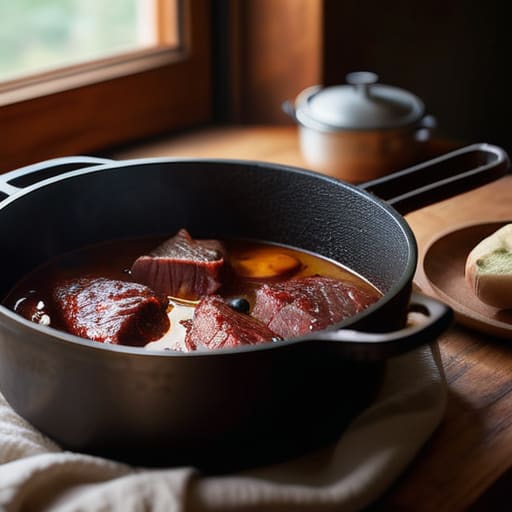
The biggest thing I’ve learned from years of trial and error—and plenty of burnt bottom pots—is that the magic is all in the liquid. When you’re looking at the braising vs stewing liquid ratio, remember that braising is more like a gentle bath where the liquid only reaches halfway up your meat, while stewing is more of a full-on swim. This distinction is huge because it changes how the flavors concentrate. If you choose the right cut of meat for braising, like a beautiful, marbled short rib, and let it simmer low and slow, you’ll get that velvety, rich sauce that makes everyone at the table ask for seconds.
The Secret Braising vs Stewing Liquid Ratio for Maximum Flavor
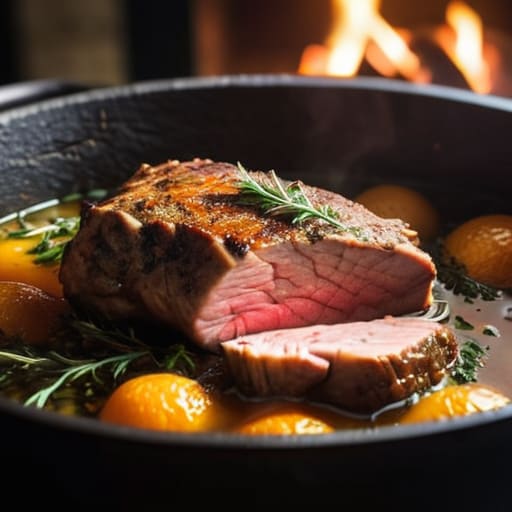
This is where the magic really happens, and honestly, it’s the part that trips people up the most! If you want to nail the braising vs stewing liquid ratio, just think about how much “bathwater” your ingredients need. When I’m braising a beautiful, marbled chuck roast, I’m not looking to submerge it completely. I want the liquid to come about halfway up the side of the meat. This allows the top to stay exposed to the heat, creating that incredible, concentrated flavor. If you drown it, you’re essentially just boiling it, and we want to avoid that!
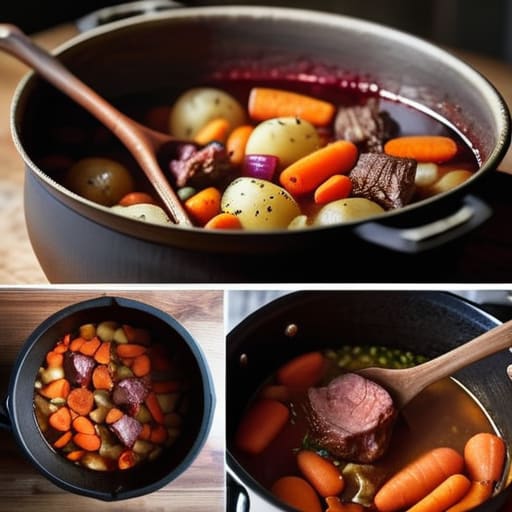
On the flip side, when I’m leaning into stewing, I’m looking for a much deeper soak. Since stews usually consist of smaller, uniform bite-sized chunks, you want them fully covered so every single piece cooks evenly. It’s all about those low and slow cooking benefits—that gentle, consistent heat that turns tough connective tissue into pure silk. Whether you’re working with a large roast or small cubes, just remember: braising is a shallow soak, while stewing is a full-on swim.
My Little Cheat Sheet for Getting It Right Every Time
- Pick your protein based on size. If you’re working with a big, beautiful roast or a whole chicken, go for braising. If you’ve already chopped your meat into bite-sized cubes, you’re firmly in stewing territory!
- Don’t be afraid of the sear. Before you add a single drop of liquid, brown your meat in a hot pan until it has a deep, golden crust. That’s where all that incredible, deep flavor lives—don’t let it go to waste!
- Watch your liquid levels like a hawk. For a braise, you only want the liquid to come about halfway up the side of your meat; you want it to steam and simmer, not swim. For a stew, you want those pieces fully submerged so they can bathe in the goodness.
- Respect the “low and slow” rule. Whether you’re braising or stewing, the heat should be gentle. If you turn it up too high, the meat will get tough and stringy instead of that melt-in-your-mouth magic we’re all after.
- Trust your nose (and your taste buds!). As the liquid reduces, smell it. If it smells rich and concentrated, you’re on the right track. If it feels a bit thin, let it simmer uncovered for a few minutes to thicken up that gorgeous sauce.
Making It Your Own
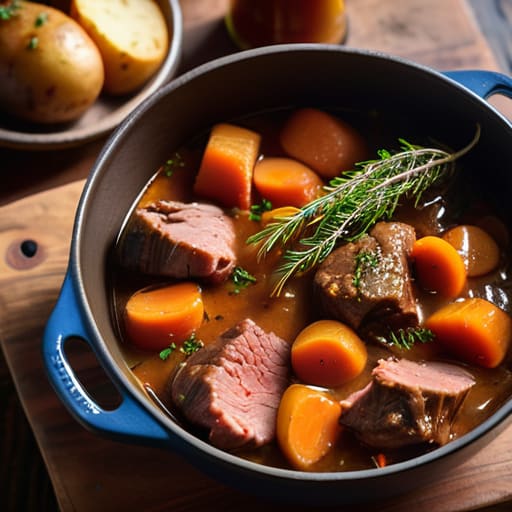
At the end of the day, whether you’re choosing to braise a big, beautiful chuck roast or stewing a hearty pot of beef and root vegetables, the goal is exactly the same: creating that soul-warming magic that only slow cooking can provide. Just remember the golden rules we talked about—braising is all about those large, majestic cuts of meat getting a shallow bath, while stewing is your go-to when you want bite-sized pieces swimming in a rich, flavorful liquid. It really all comes down to the texture you’re dreaming of and how much liquid you want to be dipping your crusty bread into once it hits the table.
Please, don’t let the technical terms intimidate you! Cooking is supposed to be a joy, not a test, and honestly, even if you swap one for the other, it’s still going to taste incredible. I’ve definitely “messed up” a recipe or two over the years, but usually, it just leads to a new favorite way of doing things. So, grab your heavy pot, trust your senses, and don’t be afraid to taste as you go. I promise, once that aroma starts filling your kitchen, you’ll realize you’ve totally got this. Now, go get cooking!