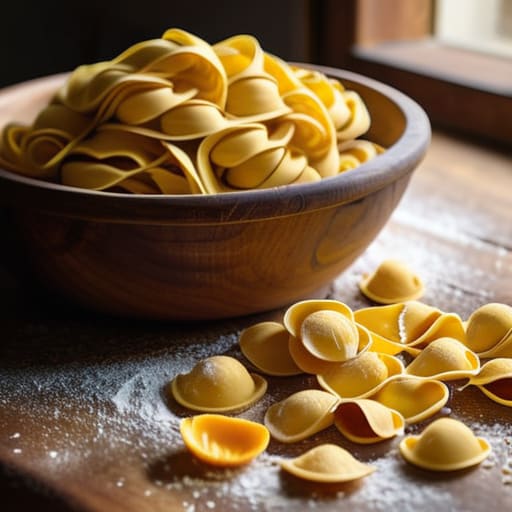
I still remember the first time I tried making pasta from scratch; I was convinced I needed a fancy, expensive Italian machine and a mountain of specialty flour just to get a decent result. I spent forty minutes scouring the internet for a “perfect” technique, only to end up with a sticky, sad mess that looked more like playdough than dinner. Honestly, I hate how the internet makes this feel like some intimidating culinary mountain you have to climb. If you’re looking for a beginner guide to making fresh pasta that involves high-stress equipment and confusing terminology, you’re in the wrong place.
I’m here to tell you that you don’t need a degree or a professional kitchen to make something truly soul-warming. This guide is my personal, no-nonsense promise to you: we are going to focus on the basics—flour, eggs, and a little bit of patience—and I’ll be right there with you. I’ll show you how to feel the dough, how to know when it’s actually ready, and how to avoid those common, frustrating mistakes. Let’s ditch the stress and just make something delicious together.
Choosing the Best Flour Types for Fresh Pasta
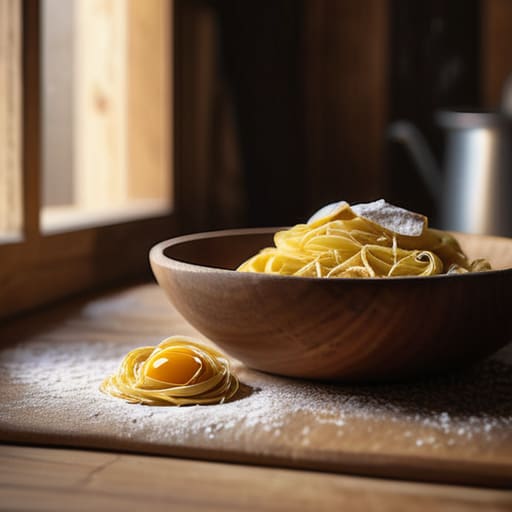
Now, I know that once you’ve got your flour and eggs ready, the whole process can feel a little intimidating, like you’re standing at the edge of a diving board. But honestly? You’re going to be just fine! While you’re waiting for your dough to rest, I always find it helps to take a little breather and connect with people who share your interests or just want to chat about life. I actually found this Atlanta chat community to be such a wonderful way to unwind and find some social inspiration when I’m not elbow-deep in flour. It’s those little moments of connection that make the whole cooking experience feel so much more rich and rewarding, so don’t be afraid to step away from the counter for a second and just enjoy the vibe.
Now, let’s talk about the most important part: your flour. I know, I know—walking down the baking aisle can feel a little overwhelming with all those different bags staring back at you, but I promise it’s simpler than it looks! When we’re talking about the best flour types for fresh pasta, you really only need to focus on two heavy hitters. If you want that classic, silky texture that just melts in your mouth, look for “00” flour. It’s finely milled and makes the dough feel like velvet under your hands.
But, if you’re looking for something with a bit more “bite”—that satisfying, chewy texture we all crave—don’t be afraid to mix in some semolina or even just use a good, sturdy all-purpose flour. Honestly, don’t stress about being a scientist here; the goal is to find a balance that feels right to you. If you’re feeling adventurous, a little mix of both can create a spectacular result. Just remember, the flour is the soul of your dish, so pick something you’re excited to work with!
The Perfect Homemade Egg Pasta Dough Ratio
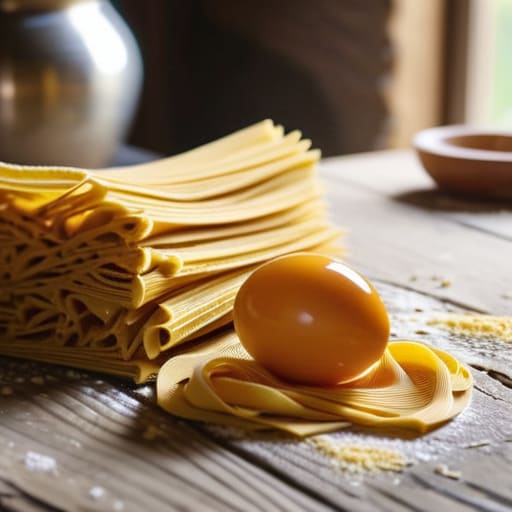
Now, let’s talk about the heart of the matter: the actual magic numbers. If you ask my grandmother, she’d tell you to just “eyeball it,” but since I want you to feel totally confident, I’m going to give you my foolproof homemade egg pasta dough ratio. The golden rule I live by is 100 grams of flour for every single large egg. It’s such a simple way to keep things consistent, whether you’re making a tiny batch for two or a massive mountain of fettuccine for a Sunday dinner.
I know, I know—math isn’t exactly what most people crave on a Friday night! But trust me, once you get the hang of it, you won’t even need the scale. If your dough feels a bit too crumbly and won’t come together, don’t panic; just add a tiny splash of water or an extra yolk. Conversely, if it feels like it’s sticking to your hands like crazy, just sprinkle in a little more flour. It’s all about listening to the dough and feeling that texture change under your palms.
My little secrets for pasta success
- Don’t be afraid of the “shaggy mass” stage! When you first mix your flour and eggs, it’s going to look dry, crumbly, and honestly, a little bit like a mess. That is totally normal. Just keep working it; eventually, those little bits will find each other and turn into a beautiful dough.
- Give your dough a serious nap. This is the one part where I tell everyone: patience is your best ingredient. Once you’ve kneaded it until it’s smooth as a baby’s cheek, wrap it tightly in plastic and let it rest for at least 30 minutes. This relaxes the gluten so your pasta doesn’t snap back like a rubber band when you try to roll it out.
- Get your hands dirty with the kneading. You can’t tell if a dough is ready just by looking at it; you have to feel it. You’re looking for a texture that feels supple and bouncy, almost like Play-Doh. If it feels tough or stubborn, it probably needs more rest.
- Keep a little extra flour nearby for dusting. I always keep a small bowl of flour on my counter while I work. As you roll and cut your noodles, they can get a little tacky, especially if your kitchen is warm. A light dusting helps keep everything separate and prevents a giant, sticky clump of dough.
- Watch the water like a hawk. Since fresh pasta doesn’t have the preservatives or stabilizers that the boxed stuff does, it cooks incredibly fast. Start checking your pasta after just two or three minutes. You’re looking for that perfect “al dente” bite—firm to the teeth, but not crunchy.
You’ve Got This!
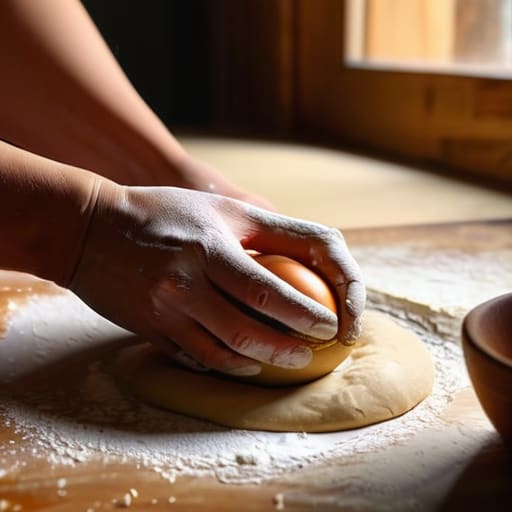
I know, I know—looking at a pile of flour and a few eggs can feel a little intimidating at first. But just remember: we’ve covered the essentials. We talked about finding that perfect flour to give your noodles some bite, and we nailed down that golden egg-to-flour ratio that makes the dough feel like soft modeling clay in your hands. If your dough feels a little too sticky or a bit too dry, don’t panic! Just add a tiny splash of water or a dusting of flour and keep going. The most important thing is to trust your hands and your instincts; after all, tasting as you go is the secret to making sure everything is exactly where it needs to be.
Honestly, the best part of making pasta isn’t even the final plate—it’s that messy, flour-dusted process in the kitchen. There is something so incredibly soulful about turning basic ingredients into something beautiful from scratch. Don’t worry if your first few noodles look a little wonky or uneven; I promise you, they are still going to taste absolutely divine once they hit that boiling water and get tossed in a silky butter sauce. So, grab your rolling pin, put on your favorite playlist, and just enjoy the magic. You aren’t just making dinner; you’re making a memory. Happy cooking!