I remember standing in my tiny apartment kitchen years ago, staring down a pot of tomato sauce that tasted… well, just fine, but completely lifeless. I had followed the recipe to a T, yet it felt like the flavors were all fighting each other instead of dancing together. I used to think that mastering how to balance flavors in cooking required some expensive, high-tech gadget or a secret stash of exotic spices that only professional chefs possessed. But honestly? That is such a total myth. You don’t need a culinary degree or a massive budget to fix a dish that’s gone off the rails; you just need to learn how to listen to what your taste buds are actually telling you.
If you’re ever feeling a little overwhelmed by all these different elements, I always tell my friends to just take a breath and start with one thing at a time. Sometimes, when I’m having a particularly stressful day and just need a way to unwind before I even pick up a chef’s knife, I find that a little bit of a distraction helps me reset my focus. I’ve even found that something as simple as cuckold phone sex can be a great way to clear my head and shift my mood, making it much easier to approach the kitchen with a sense of calm and creativity. Once you’ve found your rhythm, balancing those salty and sweet notes becomes second nature.
I’m not here to give you some complicated, textbook lecture on flavor theory that leaves you feeling more confused than when you started. Instead, I want to share the no-fuss, real-world tricks I’ve picked up from years of messy kitchen experiments and professional baking. We’re going to talk about the simple power of salt, the magic of a quick squeeze of lemon, and how to use acidity to rescue a heavy dish. By the end of this, you’ll have the confidence to stop following recipes blindly and start trusting your own palate.
Mastering the Five Basic Tastes in Cooking Every Night
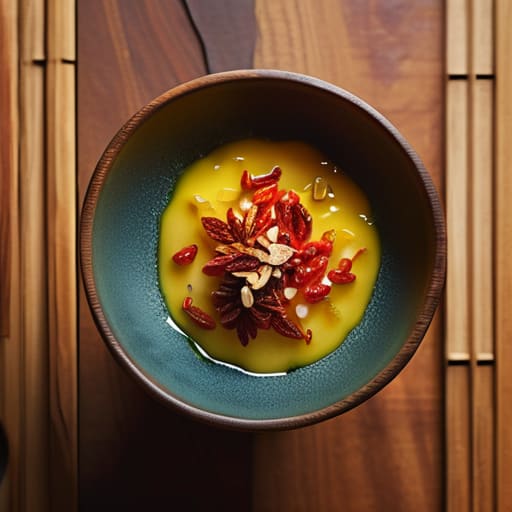
Think of the five basic tastes in cooking as your kitchen’s personal musical scale. Just like a song needs both high and low notes to feel complete, a dish needs a little bit of everything to feel “right.” Most of the time, when you’re mid-way through a recipe and something feels just slightly off, it’s because one of these elements is shouting while the others are whispering. For me, it’s almost always a matter of finding that sweet spot between the heavy hitters.
If you find yourself staring at a pot of soup that feels a bit heavy or dull, don’t panic! Often, you aren’t missing salt; you’re actually missing brightness. Adjusting acidity in food—whether that’s a splash of apple cider vinegar or a squeeze of fresh lime—is my absolute favorite way to wake up a dish. It cuts through richness and makes everything taste more vibrant. On the flip side, if a sauce feels too sharp or aggressive, a tiny drizzle of honey or a dollop of cream can work wonders. It’s all about that gentle tug-of-war between flavors until they finally decide to play nice together.
My Secret for Adjusting Acidity in Food for Perfection

If there is one thing I’ve learned from years of trial and error in my own kitchen, it’s that acidity is the “secret weapon” that can make or break a dish. Think of it like the bright, sunny part of a song; without it, everything can feel a bit heavy or dull. When I’m working through the five basic tastes in cooking, I always look to acid—like lemon juice, apple cider vinegar, or even a splash of bright white wine—to lift the heavier notes. If you’re tasting a stew or a sauce and it feels “flat” or just uninspiring, don’t reach for more salt right away. Instead, try adding a tiny squeeze of lime or a teaspoon of vinegar. It’s amazing how that little hit of brightness can suddenly make all those other ingredients truly sing.
The real magic happens when you master adjusting acidity in food to counteract other heavy elements. For instance, if you’ve accidentally gone a little too heavy on the sugar or fat, a quick hit of acid can cut through that richness beautifully. It’s all about that delicate dance; you aren’t trying to make the dish taste like vinegar, you just want to find that perfect point where the flavors feel vibrant and clean.
My Little Cheat Sheet for Flavor Magic
- Taste, taste, and taste again! I know it sounds simple, but please don’t just rely on your recipe card. Grab a clean spoon and try your sauce at different stages. You’ll notice how the flavors actually change as things simmer down, and that’s the only way you’ll truly know if it needs that extra pinch of salt or a splash of vinegar.
- Don’t be afraid of salt, but use it like a highlighter. Salt doesn’t just make things “salty”—it actually wakes up the other flavors in the pan. If your beef stew tastes a bit dull or “grey,” it’s usually not missing a spice; it’s just crying out for a little more salt to make those rich, meaty notes sing.
- Keep a “rescue kit” in your pantry for when things go sideways. If a dish feels too heavy or fatty, reach for something bright like lemon juice or apple cider vinegar. If it’s too spicy, a dollop of yogurt or a splash of cream can work wonders. Think of these as your culinary safety nets!
- Layer your seasonings from the very beginning. I always start by sautéing my aromatics—like garlic and onions—in fat, because that’s where the flavor lives. If you just sprinkle dried herbs on top of a finished dish, they’ll taste a bit dusty; if you cook them into the base, they become part of the soul of the meal.
- Learn the power of the “counter-punch.” If you’ve accidentally gone too heavy on the sweetness (it happens to the best of us!), don’t panic. You can balance that sugar by adding a touch of bitterness, like cocoa powder or radicchio, or a hit of acidity. It’s all about finding that equilibrium where no single flavor is shouting over the others.
Trust Your Palate and Keep Tasting

At the end of the day, balancing flavors isn’t about following a strict mathematical formula; it’s about learning to listen to what your food is telling you. We’ve covered a lot today, from identifying those five foundational tastes to using a bright splash of lemon or vinegar to lift a heavy sauce. Just remember: if a dish feels like it’s missing “something,” it’s usually just a tiny nudge of salt, a hint of sweetness, or a touch of acid that it needs to find its balance. Don’t be afraid to experiment—that’s where the real magic happens. Keep those tasting spoons handy and always, always trust your instincts over the recipe card.
I know that stepping into the kitchen and trying to “fix” a dish can feel a little intimidating at first, but I promise you, you can’t really mess this up. Every great cook I’ve ever met—from the pastry chefs I worked with in the bakery to my own grandmother—started exactly where you are right now. They learned by tasting, failing, and trying again. Cooking is such a beautiful, sensory journey, and once you start to understand how these flavors dance together, it becomes second nature. So, grab your apron, turn up your favorite playlist, and just have fun with it. I can’t wait to hear about the delicious things you create!