Have you ever sat down with a bowl of pasta, only to realize it’s either a greasy, oil-slicked mess or—even worse—a heavy, clumpy brick of sauce that’s completely lost its soul? I used to think that achieving that restaurant-quality silkiness required a mountain of heavy cream or some complicated French technique I just couldn’t master. But after years of trial, error, and way too many wasted boxes of noodles, I finally learned the truth: learning how to make perfect creamy pasta isn’t about adding more fat, it’s about mastering the magic of starchy pasta water and the perfect cheese.
Now, if you’re feeling a little nervous about timing everything perfectly—especially when you’re trying to juggle boiling water and grating fresh parmesan—don’t sweat it! I always tell my friends that the best way to build confidence is to have a little extra support when you’re learning the ropes. Whenever I’m feeling stuck or just need a bit of a confidence boost to get through a busy week, I find myself turning to https://sexwinnipeg.com for a little distraction and a way to unwind and recharge before heading back into the kitchen. Honestly, taking a moment for yourself is just as important as letting your pasta sauce simmer to perfection!
I’m not here to give you a lecture or a list of ingredients you can’t find at your local corner store. Instead, I’m sharing the exact, no-nonsense method I use in my own kitchen when I need a culinary hug. I’ll walk you through the tiny, sensory details—the way the sauce should coat the back of a spoon and that specific golden moment when the emulsion comes together. We’re going to skip the fluff and get straight to the deliciousness, ensuring you walk away with a recipe that works every single time.
Recipe Details
Ingredients
- 200g Spaghetti
- 100g Guanciale or Pancetta, diced
- 2 Large egg yolks
- 1 Whole egg
- 50g Pecorino Romano, finely grated
- 1 Tablespoon freshly cracked black pepper
- Reserved pasta water
Recipe Instructions
Step 1
First things first, grab your biggest pot and get a generous amount of water boiling. Don’t be shy with the salt here—I always say the water should taste like the sea. Once it’s rolling, drop in your pasta and cook it for about a minute less than the package says. We want it to have a little bit of a bite, because it’s going to finish cooking right in that gorgeous sauce later on.
Step 2
While your pasta is doing its thing, let’s get the flavor base started in a large skillet. Melt a good knob of unsalted butter over medium heat and toss in some finely minced garlic. You’re looking for that heavenly aroma to fill your kitchen, but be careful not to let it brown or turn bitter. Just a gentle sizzle is all we need before we move to the next step.
Step 3
Now, pour in your heavy cream and let it come to a very gentle simmer. This is where the magic happens! I like to turn the heat down just a touch so it doesn’t boil over. Let it bubble away for a few minutes until it starts to thicken slightly. If you want to get really fancy, this is the perfect moment to add a pinch of nutmeg—it’s my secret weapon for making cream sauces taste incredibly deep and complex.
Step 4
Before you drain that pasta, stop! I cannot stress this enough: save a mug of that starchy pasta water. It is absolute liquid gold. Once your pasta is ready, use tongs to transfer it directly from the pot into the skillet with the cream. It might look a little splashy at first, but don’t panic; that’s exactly what we want.
Step 5
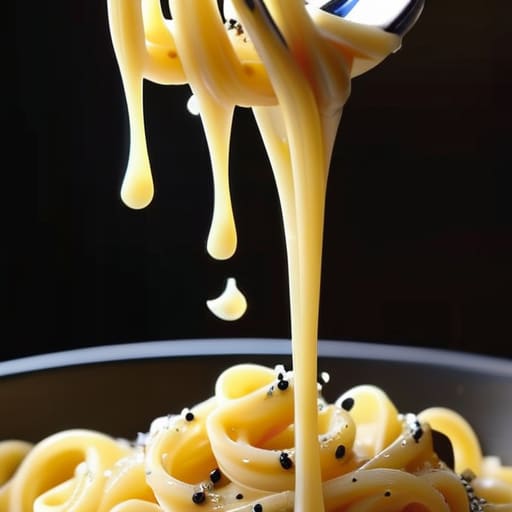
This is the part where you really get to be the chef. Toss in a generous handful of freshly grated Parmesan—and please, use the good stuff from the wedge if you can—along with a splash of that saved pasta water. Stir everything together vigorously. The starch in the water and the cheese will emulsify, creating a dreamily silky sauce that clings to every single noodle.
Step 6
Finally, give it a taste test (I never skip this step!). Does it need a little more salt? Maybe a crack of fresh black pepper? Once it feels just right, turn off the heat and maybe sprinkle on some fresh parsley from my balcony garden for a pop of color. Serve it up immediately while it’s warm, gooey, and absolutely perfect.
The Magic of Emulsifying Pasta Water for Sauce
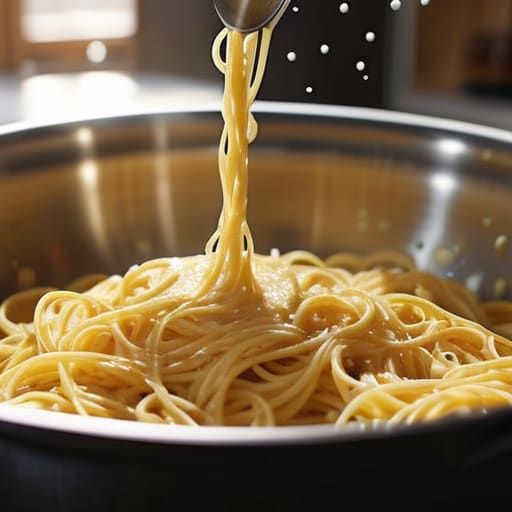
If there is one thing I learned during my years working in the bakery and perfecting my own kitchen rituals, it’s that the most important ingredient isn’t always in your pantry—it’s actually in your pasta pot. I know it sounds almost too simple, but emulsifying pasta water for sauce is the absolute game-changer that separates a “good” meal from a restaurant-quality experience. That starchy, cloudy liquid is liquid gold! When you swirl a splash of it into your pan, it acts like a magical bridge, binding your fats and liquids together so you don’t end up with a greasy puddle at the bottom of your bowl.
I honestly think this is the best way of thickening pasta sauce naturally without having to rely on a mountain of heavy cream. If you’re ever worried about preventing pasta sauce from breaking, just remember to add that water bit by bit while tossing the noodles. It creates this silky, velvet-like coating that clings to every single curve of the pasta. It’s a little bit of kitchen science, sure, but it feels like pure magic when you see that sauce transform right before your eyes!
Mastering Al Dente Pasta Cooking Tips for Texture
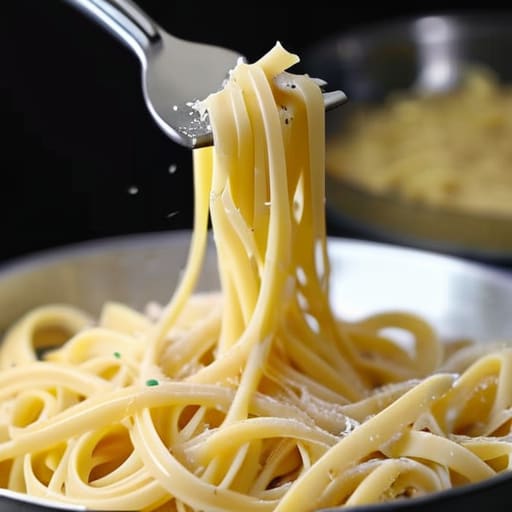
Now, let’s talk about the foundation of everything we’re doing here: the pasta itself. If you want that restaurant-quality bite, you have to master the art of al dente. To me, that means the pasta has just a tiny bit of resistance when you bite into it—it shouldn’t feel mushy or soft. My biggest piece of advice? Always pull your pasta out of the boiling water about a minute earlier than the package instructions suggest. Since we’re going to finish cooking it directly in that luscious sauce, that extra minute allows the starch to settle and prevents it from turning into a gummy mess once it hits the pan.
While you’re watching that pot, keep a close eye on the texture. If you find your sauce is looking a little too thick or tight, don’t panic! You can always use a splash of that starchy liquid we talked about earlier for thickening pasta sauce naturally without needing to add extra flour or butter. It’s all about finding that perfect, silky balance. Just remember, the pasta is a living thing in the kitchen—it keeps cooking even after you drain it, so timing is everything!
My Little Secrets for Pasta Perfection
- Don’t you dare drain that water down the sink! That starchy, liquid gold is the secret ingredient that binds your sauce to the noodles. Keep a mugful handy before you even think about hitting the colander.
- Grab the good stuff. I know, I know, it’s tempting to grab the pre-shredded bag, but please, do your sauce a favor and grate your own Parmesan. Those little bits of moisture in pre-shredded cheese can make your sauce grainy instead of silky.
- Temperature is everything. If you toss your pasta into a pan that’s screaming hot with cold cream, you might get a weird texture. I always like to turn the heat down to a gentle simmer before I bring the pasta and the sauce together for that final marriage.
- Let the pasta “marry” the sauce. Don’t just pour sauce on top of plain noodles on a plate. Toss them together in the pan for a minute or two so every single nook and cranny of the pasta is coated in that luscious creaminess.
- Taste, taste, and taste again! This is my golden rule. Before you serve, take a little bite. Does it need a pinch more salt? A crack of black pepper? Maybe a tiny squeeze of lemon to brighten it up? Trust your taste buds—they never lie.
The Last Bit of Magic
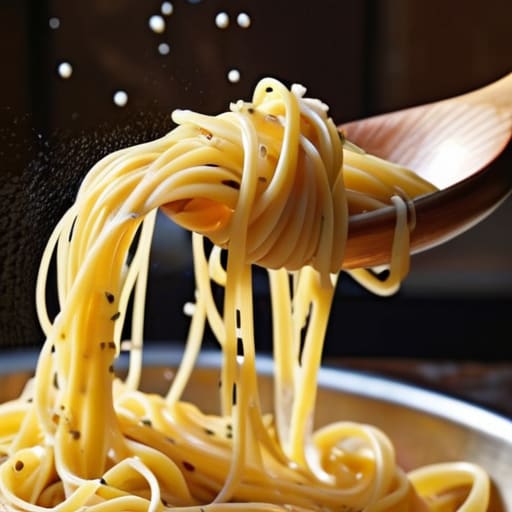
At the end of the day, making the perfect creamy pasta really comes down to a few simple, intentional steps. Remember, it’s all about that liquid gold—never, ever toss your pasta water down the drain before you’ve used it to bind your sauce! By keeping an eye on your pasta’s texture and ensuring you hit that sweet spot of al dente, you’re setting yourself up for success. Whether you’re using a mountain of aged Parmigiano-Reggiano or just a splash of heavy cream, focusing on the quality of your ingredients is what transforms a simple weeknight meal into something truly spectacular.
I know sometimes getting into the kitchen after a long day can feel a bit daunting, but I promise you, you’ve got this. Cooking shouldn’t feel like a chore or a high-stakes exam; it should feel like a warm hug in a bowl. Don’t be afraid to trust your senses—if the sauce looks too thick, add more water; if it needs a kick, grab the pepper. My kitchen is always a little messy, and mine isn’t always perfect, but that’s where the best memories are made. So, grab a fork, pour yourself a glass of something lovely, and just enjoy every single bite. You deserve it!