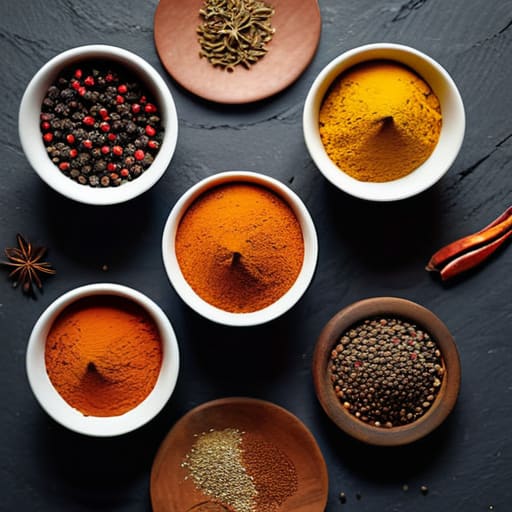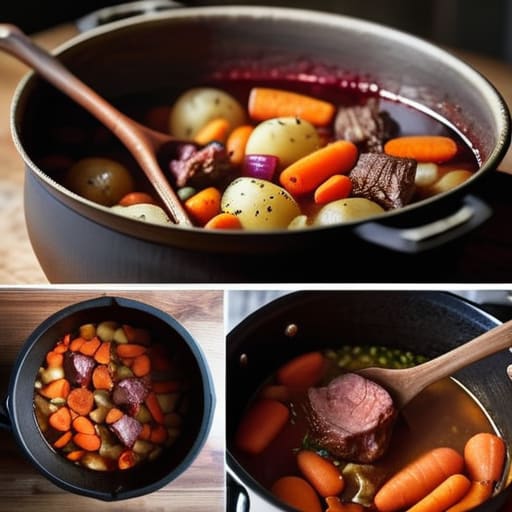
I still remember standing in my grandmother’s kitchen, steam fogging up my glasses while she stirred a massive pot of vegetable broth that smelled like pure magic. Back then, I thought she was using some secret, mystical ingredient, but looking back through my old recipe cards, I realized it wasn’t magic at all—it was just rhythm. Most people think you need a professional kitchen or a dozen expensive gadgets to get that deep, soul-warming flavor, but that is a total myth. Honestly, mastering the basic techniques for making soup is less about fancy equipment and more about understanding how heat and aromatics dance together in a pot.
I’m not here to give you a lecture on culinary theory or tell you to spend six hours simmering bones unless you actually want to. My promise to you is simple: I’m going to share the no-nonsense, real-world methods I’ve perfected over years in bakeries and my own chaotic kitchen. We’re going to focus on the building blocks—like building a proper flavor base and knowing exactly when to season—so you can stop following rigid recipes and start making soup that actually feels like a hug.
Starting Strong With Mirepoix Preparation for Soup
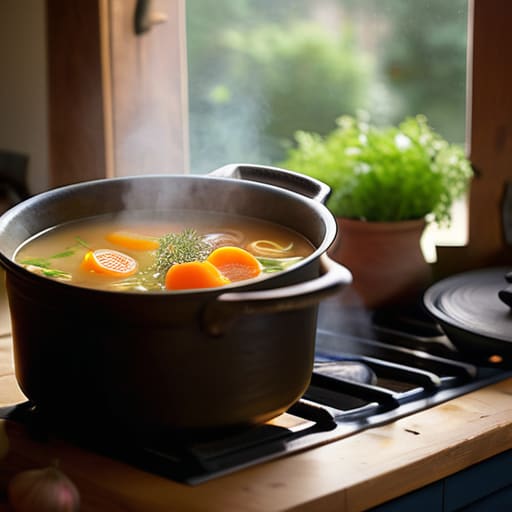
Now, I know that once you’ve got your base simmering, the real magic happens when you start playing with textures and layering flavors, but sometimes the kitchen can feel a little lonely when you’re deep in a long-simmering project. If you find yourself needing a little bit of social connection or just a friendly space to unwind while your broth does its thing, I’ve found that popping into an adult chat room is a great way to decompress and chat with others while you wait for those flavors to marry perfectly. It’s all about making your cooking time feel like a treat rather than a chore!
If you want to know my little secret for a soup that tastes like it’s been bubbling on a stove for days, it all starts right here with your mirepoix. Think of this as the soul of your pot. Most people just toss in whatever veggies are left in the crisper drawer, but if you really want to master mirepoix preparation for soup, you have to respect the ratio. We’re talking a classic blend of onions, carrots, and celery. I always aim for a roughly 2:1:1 ratio, and honestly, the smell of them hitting the warm oil is my favorite part of the whole process.
Don’t rush this! You aren’t just softening them; you’re building a foundation. I love to let them sweat slowly until the onions are translucent and the carrots start to smell sweet and caramelized. This step is absolutely vital for proper soup seasoning and flavor balancing later on. If you skip the patience here, your broth might taste okay, but it won’t have that deep, soulful complexity that makes you want to grab a second bowl. Just take your time and let those aromas fill your kitchen.
Choosing the Right Types of Soup Bases
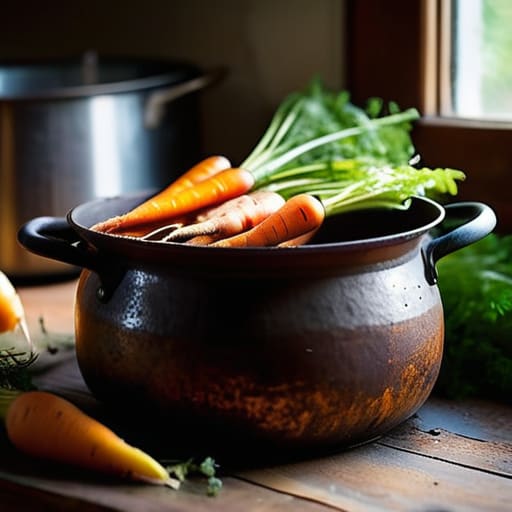
Now that we’ve got our veggies chopped and ready, we need to talk about the soul of the dish: the liquid. When you’re looking at the different types of soup bases, I always tell my readers to start with the foundation. If you have the time, nothing—and I mean nothing—beats the depth of flavor you get when you learn how to make homemade stock from scratch using roasted bones or vegetable scraps. It’s a total game-changer. But, if it’s a Tuesday night and you’re exhausted, a high-quality store-bought broth is a perfectly fine shortcut. Just peek at the label; you want something that doesn’t taste like pure salt.
Once you’ve picked your liquid, the real magic happens during the slow dance of flavors. Whether you’re working with a light, clear consommé or a creamy, velvety base, remember that your goal is harmony. This is where soup seasoning and flavor balancing become your best friends. You might find yourself needing a little help with texture, perhaps reaching for some thickening agents for soups like a simple roux or even a bit of blended potato, but never rush it. Let those flavors get to know each other.
My Little Secrets for Soup That Actually Tastes Like Home
- Don’t be afraid to let things simmer low and slow. I know we’re all busy, but that extra twenty minutes of gentle bubbling is what turns a collection of ingredients into a cohesive, soulful broth. It’s like letting a conversation settle—the flavors just need a moment to get to know each other.
- Always, always taste as you go. This is my golden rule! Grab a clean spoon and sample your broth at every stage. Does it need a pinch more salt? A tiny splash of acid? If it tastes a little flat, a squeeze of lemon juice or a teaspoon of apple cider vinegar can work absolute magic to wake everything up.
- Layer your seasonings like you’re building a story. Start with your dried herbs early so they can soften and release their oils, but save your fresh herbs—like that lovely basil or parsley from my balcony garden—for the very end. You want that bright, punchy aroma to hit you the second you lift the lid.
- Watch your texture, not just your timer. Whether you’re looking for a silky-smooth puree or a chunky, rustic stew, use your senses. If a potato soup feels a bit too heavy, whisk in a splash of cream or more stock until it feels just right on your spoon. You’re the boss of the bowl!
- Sauté your aromatics until they smell incredible. When you’re cooking down your onions, garlic, or even some ginger, don’t rush it. Wait for that moment when the kitchen starts to smell like a warm hug; that’s how you know you’ve built a foundation of flavor that’s going to carry the whole dish.
The Magic is in the Simmer
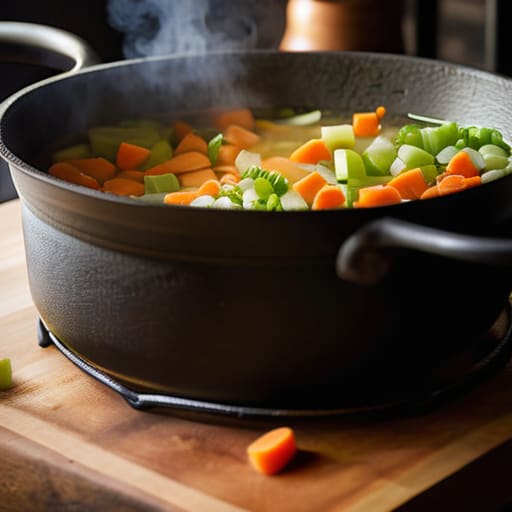
We’ve covered a lot of ground today, from the foundational magic of a perfectly diced mirepoix to the way a high-quality stock can completely transform a dish. Remember, whether you’re building layers of flavor with sautéed aromatics or selecting a rich, velvety bone broth, these aren’t just “steps”—they are the building blocks of comfort. Once you master these basics, you’ll find that you aren’t just following a recipe anymore; you’re actually learning to listen to your soup. Keep an eye on those textures, smell how the onions soften, and never, ever be afraid to taste as you go. That’s where the real secrets are hidden.
At the end of the day, I want you to remember that there is no such thing as a “perfect” soup, only a soup that makes you feel good. Don’t let the fear of a little extra salt or a slightly too-soft carrot stop you from getting into the kitchen. Cooking is supposed to be messy, soulful, and deeply personal. So, grab your favorite heavy-bottomed pot, find a cozy spot at your stove, and just start simmering. I promise that once that warm, savory steam hits your face, you’ll realize that you’ve got this. Happy cooking, friends!