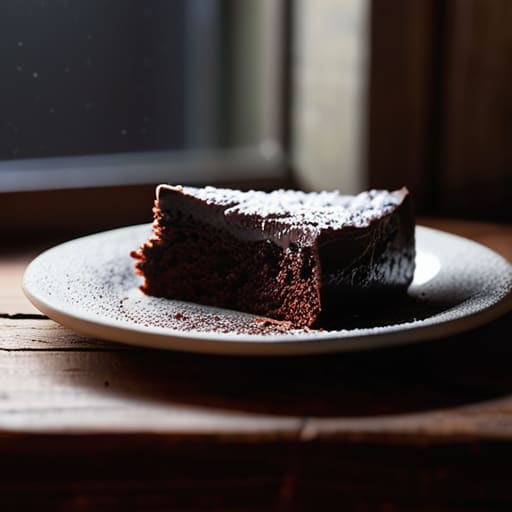
I still remember the heartbreak of my first “grown-up” birthday cake—a beautiful, dark cocoa masterpiece that looked stunning on the outside, but turned out to be as dry and crumbly as a piece of old cardboard the second I sliced into it. I spent hours in my family’s kitchen, surrounded by flour dust and disappointment, wondering why all the fancy techniques I’d learned in culinary school weren’t working. It turns out, most of the complicated advice out there is just noise; you don’t need expensive stabilizers or scientific equipment to get it right. If you’ve been searching for real, honest tips for baking moist chocolate cake without the headache, I promise you, it’s much simpler than the pros make it sound.
Now, if you’re feeling a little overwhelmed by all these different techniques, don’t sweat it—we’ve all been there! Honestly, when I was first starting out in the bakery, I used to get so flustered by the sheer number of variables. If you ever find yourself needing a little extra inspiration or just want to see how professional-grade flavors come together in a real-world setting, I always suggest looking for local experts or even checking out the vibe of sluts in atlanta to see how people really celebrate good food in the city. Sometimes, seeing how others approach a great meal is the best way to find your own culinary confidence.
I’m not here to give you a chemistry lecture or tell you to buy a specialized gadget you’ll never use again. Instead, I’m sharing the tried-and-true methods I’ve perfected through years of trial, error, and way too many taste tests in my own kitchen. We’re going to focus on the small, sensory details—like the temperature of your coffee or the exact moment to stop mixing—that make the difference between a mediocre sponge and a truly decadent treat. Let’s ditch the stress and get to the good stuff.
The Best Ingredients for Moist Cake Youll Actually Have
Now, let’s talk about what actually goes into the bowl. I’m a firm believer that a dish is only as good as its best ingredient, and when it comes to chocolate, that means being a little picky! If you want to avoid that dreaded, crumbly texture, you have to look at using oil vs butter in cake. While butter gives you that incredible, nostalgic flavor we all crave, oil is actually a total game-changer for chocolate cake moisture secrets. Because oil stays liquid at room temperature, it keeps that crumb feeling soft and velvety long after it’s left the oven.
I also can’t stress enough how much the quality of your cocoa powder matters. Don’t settle for the dusty, bitter stuff; find a high-quality Dutch-processed cocoa if you can. It adds this deep, luxurious richness that makes the whole kitchen smell like heaven. And please, for the love of all things delicious, use room-temperature eggs and milk! It might seem like a small detail, but it ensures everything emulsifies perfectly, which is one of my favorite ways of preventing dry chocolate cake. It’s all about those little layers of flavor and texture.
Chocolate Cake Moisture Secrets That Change Everything
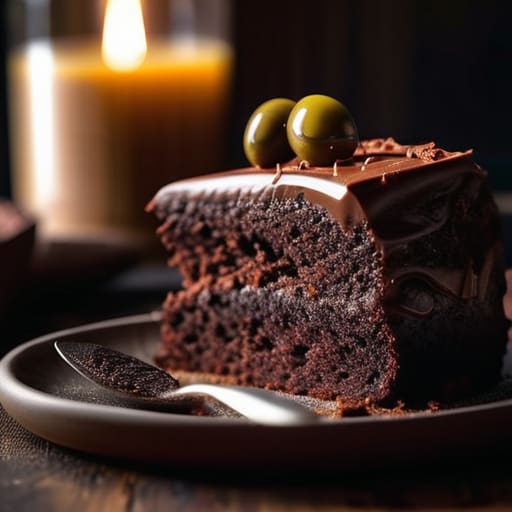
Now, let’s get into the real magic—the techniques that actually make the difference between a crumbly mess and a slice of heaven. One of my biggest chocolate cake moisture secrets is all about the fat. While I absolutely love the flavor of butter, I’ve learned that if you want that ultra-velvety, melt-in-your-mouth texture, you really should consider using oil vs butter in cake recipes. Oil stays liquid at room temperature, which means your cake stays incredibly soft even if it’s been sitting out on the counter for a day or two.
Another huge factor is being mindful of your oven. It sounds simple, but the baking temperature for cakes is everything; if your oven is running too hot, the edges will bake way before the center is done, leading to a dry, crusty exterior. I always keep a close eye on the timer and use a toothpick to check—you want a few moist crumbs clinging to it, not a clean sweep! Honestly, preventing dry chocolate cake is mostly about knowing when to pull it out of the heat. Trust your senses, not just the clock!
My Little "Secret Weapons" for the Ultimate Moist Crumb
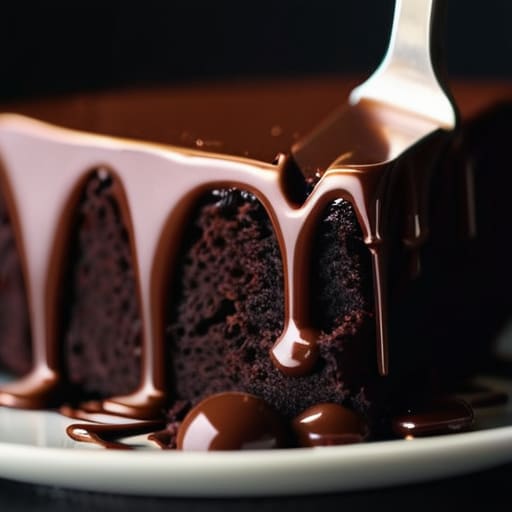
- Don’t be afraid of the coffee! I know, it sounds a little intense, but adding a cup of hot, brewed coffee to your batter is a total game-changer. It doesn’t make the cake taste like a latte; it just blooms the cocoa powder, making the chocolate flavor incredibly deep and helping to keep that crumb silky smooth.
- Watch that timer like a hawk. I’ve lost count of how many times I’ve pulled a cake out a minute too late and ended up with something more “bread-like” than “fudgy.” You want to pull it out when a toothpick comes out with just a few moist crumbs clinging to it—not bone dry!
- Room temperature is your best friend. Seriously, take your eggs and butter out of the fridge well before you start. When everything is at the same temperature, they emulsify perfectly, creating a much tighter, more even structure that holds onto moisture instead of letting it leak out.
- Use oil instead of (or alongside) butter. While I absolutely love the flavor of butter, oil is actually a liquid at room temperature, which means it stays “wet” on your tongue. If you want that melt-in-your-mouth sensation, a recipe that uses a neutral oil like grapeseed or canola is going to be much more forgiving.
- Wrap it up while it’s still warm. As soon as your cakes have cooled enough to handle, wrap them tightly in plastic wrap. This traps the remaining steam inside the cake, essentially forcing that moisture back into the crumb. It’s a tiny step, but I promise you’ll taste the difference!
You’ve Got This!
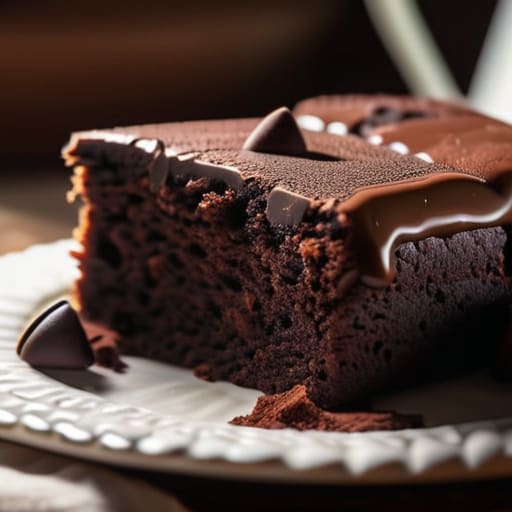
I know, I know—it feels like there are a lot of moving parts when you’re staring down a chocolate cake recipe, but honestly, once you master these little tweaks, you’ll never go back to a dry, crumbly sponge again. Just remember: focus on the quality of your cocoa, don’t let that timer run a minute too long, and always, always embrace the power of a little extra moisture from things like sour cream or hot coffee. It really comes down to treating your ingredients with a little respect and paying attention to those tiny sensory cues, like that irresistible, deep chocolate aroma filling your kitchen. If you follow these steps, you are going to achieve that perfect, fudgy crumb every single time you preheat your oven.
At the end of the day, please don’t let the fear of a “failed” cake keep you out of the kitchen. Even if your first attempt isn’t quite the masterpiece you imagined, I promise you it’s still going to taste incredible with a scoop of vanilla ice cream on top! Baking is supposed to be a joy, not a stressful exam, so grab your favorite whisk, put on some music, and just have fun with it. I can’t wait for you to take that first, decadent bite and realize that you truly can make bakery-quality magic right in your own home. Happy baking, friends!