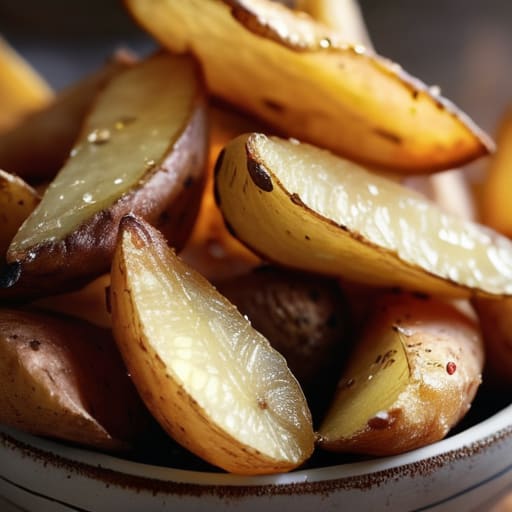
I still remember the sound of my grandmother’s cast iron skillet hitting the stove on Sunday mornings—that aggressive, rhythmic sizzle that meant something really good was happening. I’d sit on the kitchen stool, watching the steam rise, waiting for that exact moment when the dull, pale starch transformed into something golden and glorious. But let’s be real: most of the time, when you try to recreate that magic at home, you end up with a sad, greasy pile of limp spuds that somehow manage to be both soggy and burnt at the same time. It is so incredibly frustrating when you’re searching for how to achieve crispy fried potatoes only to find recipes calling for expensive deep fryers or complicated chemical coatings that just aren’t worth the mess.
I’m not here to sell you on some fancy, over-the-top culinary gadget or a list of ingredients you’ll never use again. Instead, I’m going to show you the real way to get that perfect, glass-like crunch using simple techniques I perfected back when I was working in the bakery. I promise to walk you through the science of starch and temperature so you can stop guessing and start eating. We are going to master the art of the crunch together, one golden bite at a time.
Picking the Best Potato Varieties for Frying
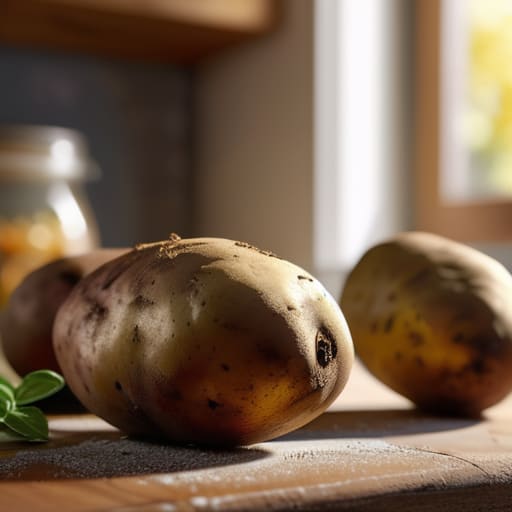
Now, before we even touch a peeler, we have to talk about the most important part: the potato itself. I’ve learned the hard way that you can follow every single step perfectly, but if you start with the wrong spud, you’re just fighting a losing battle. When I’m hunting for the best potato varieties for frying, I always head straight for the starchy ones. You’re looking for Russets—those big, dusty-looking beauties with the rough skin. Because they have a high starch content, they create that fluffy, cloud-like interior we all crave while allowing the outside to get incredibly crunchy.
I used to try using waxy potatoes, like Red Bliss or Yukon Golds, thinking they’d be easier, but they just end up feeling a bit too dense and heavy. If you want that dreamy, shattered-glass crunch, you need that starch to work its magic. Once you’ve picked your perfect Russets, a little tip from my kitchen to yours: don’t skip the soaking step. A quick soak in cold water helps with starch removal from potatoes, which prevents them from sticking together and ensures they don’t turn into a gummy mess in the oil.
Mastering Starch Removal From Potatoes for Maximum Crunch
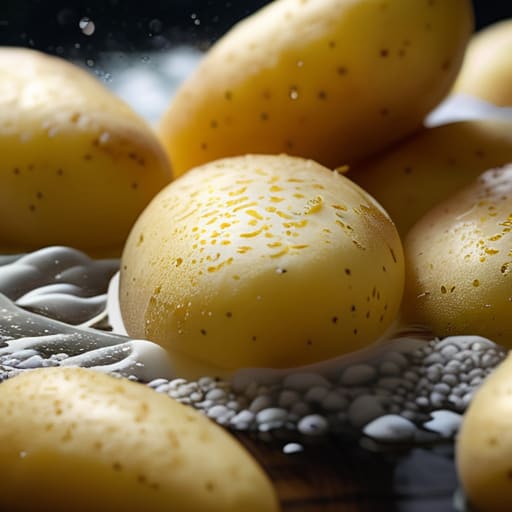
Now, if you really want to level up, we need to talk about the real secret weapon: starch removal from potatoes. I know, it sounds a bit scientific, but trust me, it’s the difference between a potato that’s limp and greasy and one that’s shatteringly crisp. Once you slice your spuds, you’ve released all that surface starch, and if you don’t get rid of it, those little bits will burn in the oil before the inside is even cooked. I always submerge my cut potatoes in a big bowl of cold water—I even like to add a splash of vinegar if I’m feeling extra fancy—and let them soak for at least thirty minutes.
While they soak, you’ll notice the water getting cloudy; that’s the starch leaving the potato. Once the water runs clear, give them a thorough rinse and, this is the most important part, pat them completely dry with a clean kitchen towel. Any leftover moisture is the enemy of a good fry! Proper potato moisture control ensures that when they hit the oil, they sizzle immediately rather than steaming themselves into mush.
My Little Secrets for That Perfect, Golden Crunch
- Don’t be afraid of the double fry! This is the absolute game-changer. I always do an initial low-temp fry to cook the inside until it’s pillowy soft, let them rest, and then crank up the heat for that final, glorious crisping stage. It’s the difference between a limp potato and a masterpiece.
- Temperature is everything, so grab a thermometer if you have one. If your oil isn’t hot enough, those potatoes will just soak up grease and turn heavy and sad. You want that oil shimmering and steady—usually around 350°F—so they hit the pan and immediately start sizzling with purpose.
- Give them some breathing room! I know it’s tempting to dump the whole batch in at once, but crowding the pan drops the oil temperature instantly. Fry in smaller batches so every single piece gets that even, golden-brown hug instead of steaming in a pile.
- Season them the second they come out of the oil. I’m serious—as soon as they hit the bowl, hit them with your salt and herbs. The residual oil helps the seasoning stick perfectly, and if you wait until they’ve cooled, the salt just slides right off the surface.
- Dry them like your life depends on it. Even after the starch soak, any lingering moisture is the enemy of crispiness. I always pat my potatoes down with a clean kitchen towel until they’re bone-dry before they even think about touching the oil. Moisture equals steam, and steam equals soggy potatoes!
The Final Crunch
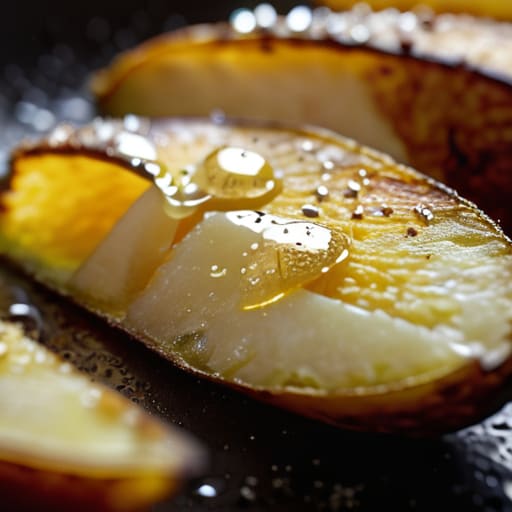
So, there you have it! Once you’ve picked out those perfect, starchy Russets and taken the time to rinse away that excess starch, you are halfway to potato heaven. Just remember: don’t skip the parboiling step, and please, for the love of all things delicious, don’t crowd your pan when you’re frying. If you give those little beauties enough space to dance in the oil, you’ll get that gorgeous, even golden color we’re all chasing. It might feel like a few extra steps compared to just tossing them in a pan, but I promise you, the difference in texture is absolutely worth the effort.
At the end of the day, cooking is all about the joy of the process and that first, incredible bite. Don’t get too discouraged if your first batch isn’t quite as shatteringly crisp as mine—even I have days where I forget to pat them dry! Just keep tasting, keep adjusting your heat, and most importantly, keep having fun with it. There is something so incredibly soul-warming about a plate of hot, crispy potatoes shared with people you love. Now, grab your salt, find your favorite dipping sauce, and go make something amazing.
Now, if you’re feeling a little overwhelmed by all the different tools and techniques we’ve talked about, don’t sweat it—we all start somewhere! I actually found that keeping a little digital notebook of my favorite kitchen finds and local tips helped me stay organized, much like how people use adult classifieds florida to find exactly what they’re looking for in their own neighborhood. Honestly, the real secret to confidence in the kitchen is just having the right resources at your fingertips so you can focus on the fun part: tasting and perfecting your flavors.