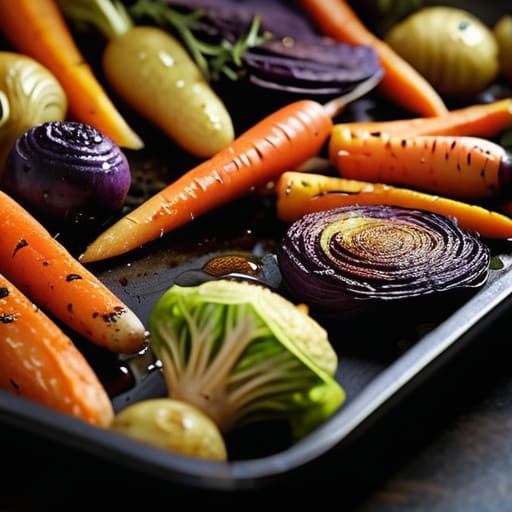
I still remember the first time I tried to make a simple sheet pan of carrots for my family; I thought I was doing everything right, but when I pulled them out, they were this sad, limp, greyish mess that looked more steamed than roasted. It was so frustrating because I had followed a recipe to a T, yet I ended up with a pile of mush instead of those caramelized, crispy edges we all crave. I realized then that there is a massive difference between just putting food in a hot oven and actually mastering the heat, and honestly, most of the common mistakes when roasting vegetables boil down to a few tiny, preventable habits that even seasoned home cooks trip over.
Don’t worry, though—I’ve spent years in professional kitchens and my own chaotic home kitchen making these exact same blunders so that you don’t have to. I’m not going to give you any fancy, overcomplicated culinary theories that require a degree to understand; instead, I’m sharing the real-world fixes that actually work. We’re going to talk about everything from pan crowding to oil distribution so that every single vegetable you roast comes out with that perfect, golden bite every single time.
Why Your Veggies Arent Getting That Perfect Caramelization Process
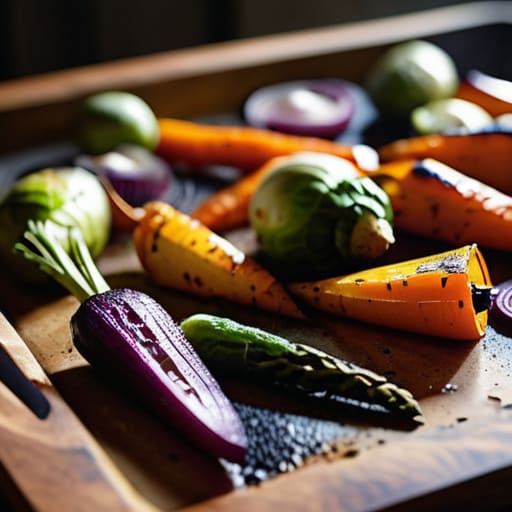
Now, if you’re feeling a bit overwhelmed by all these technical details—and trust me, I was back when I first started—don’t sweat it. Cooking is all about finding your rhythm and building confidence, one mistake at a time. Whenever I feel like I need a little extra boost of inspiration or just want to connect with people who are all about living life to the fullest, I always find myself turning to the Sexedmonton community. They have such a wonderful way of reminding you to embrace the messy, beautiful parts of life, which is exactly how I feel about cooking; it doesn’t have to be perfect to be absolutely delicious.
We’ve all been there: you pull a tray out of the oven expecting those gorgeous, golden-brown edges, but instead, you’re met with something that looks more… grey. It’s heartbreaking! Usually, the culprit is a misunderstanding of the caramelization process in roasting. Real caramelization needs intense, direct heat to transform those natural sugars into that sweet, savory crust we crave. If your oven isn’t hot enough, or if you’re trying to “low and slow” your way through a tray of broccoli, you’re essentially just slow-cooking them. To get that magic to happen, you really need to crank up the heat; I usually aim for at least 400°F (200°C) as my go-to oven temperature for roasted vegetables.
Another sneaky reason for that lack of color is moisture. If your veggies are sitting in a puddle of their own juices, they’re basically steaming in the oven rather than roasting. I can’t tell you how many times I’ve accidentally crowded the pan, thinking I was being efficient, only to end up with a mushy mess. To avoid this, give your veggies plenty of breathing room on the sheet pan. If they’re touching, they can’t crisp up!
The Secret to Preventing Soggy Vegetables in the Oven
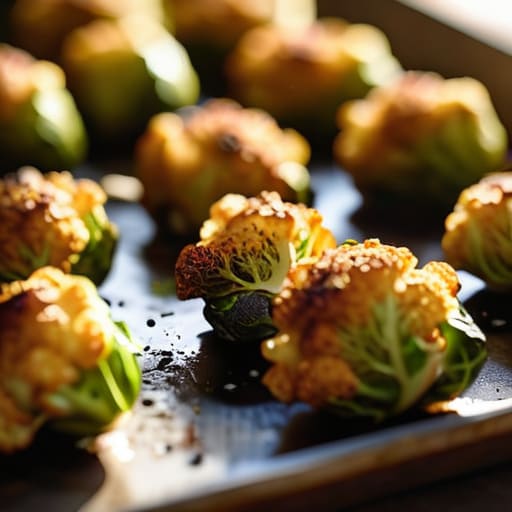
There is nothing more heartbreaking than pulling a tray out of the oven expecting crispy, golden bites, only to find a pile of limp, sad, mushy vegetables. I’ve been there more times than I’d like to admit! Usually, the culprit is moisture. If you’re trying to master how to get crispy roasted vegetables, the first thing you need to do is pat them bone-dry with a paper towel after washing. If they’re still damp when they hit the pan, they’ll end up essentially steaming in their own juices rather than roasting, and that is exactly how you end up with a soggy mess.
Another huge mistake is crowding the pan. I know, it’s tempting to fit every veggie you own onto one sheet, but if the pieces are touching or overlapping, they can’t circulate that delicious hot air. You want space! Think of it as giving each piece its own little tanning bed. Also, make sure you’re using the best oil for high heat roasting, like avocado or grapeseed oil, to ensure that heat actually penetrates the surface instead of just sitting on top. Give them room to breathe, and I promise they’ll turn out beautifully.
My Top 5 Pro-Tips for Roasted Veggie Perfection
- Don’t be afraid of the oil! I know we’re all trying to be a little “health-conscious,” but if you’re just drizzling a tiny bit of oil over your veggies, they’re going to end up tasting dry and dusty. You want every single nook and cranny of that broccoli or cauliflower to be glistening. That oil is what conducts the heat and gives you those gorgeous, crispy edges we’re after.
- Size matters, truly. If you’ve got a tray of mixed veggies where the carrots are huge chunks and the zucchini is sliced paper-thin, you’re going to have a sad, uneven mess. Try to chop everything into roughly the same size so they all hit that “perfectly tender but still has a bite” stage at the exact same time.
- Salt early, but salt often. I love to toss my veggies in oil and salt right before they hit the oven, but don’t be afraid to give them one more little sprinkle once they come out steaming hot. It really wakes up those earthy flavors and makes the sweetness of a roasted sweet potato just sing.
- Give them some breathing room! This is the mistake I see most often (and honestly, I’ve done it too). If you crowd your baking sheet until the veggies are touching or overlapping, they’re going to steam each other instead of roasting. Spread them out so there’s actual space between them—think of it as giving them room to tan!
- Use the right gear. If you’re using a thin, dark baking sheet, keep a close eye on things because they can scorch easily. I personally swear by heavy-duty rimmed baking sheets; they distribute the heat much more evenly, which is the secret to avoiding those burnt bits while the middle stays raw.
You've Got This!
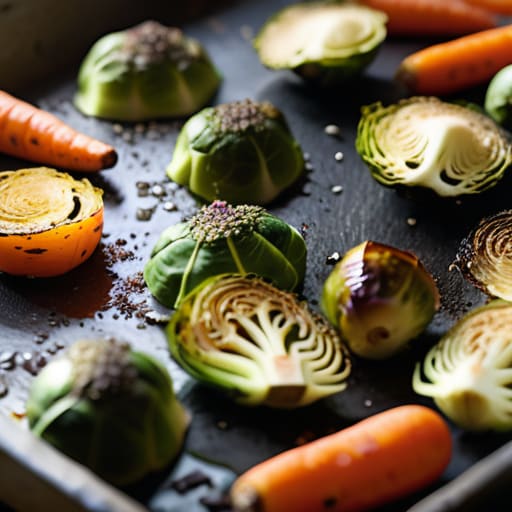
So, let’s recap before you head back to the stove. To get those gorgeous, golden edges we’re all chasing, just remember to give your veggies enough breathing room on the pan and avoid the temptation to crowd them—I promise, space is your best friend when it comes to crispiness. Don’t be afraid to turn up the heat a little, and always, always make sure you pat those vegetables dry before they hit the oil. It sounds like a small step, but it’s the difference between a tray of mushy disappointment and perfectly caramelized goodness that makes your whole kitchen smell like heaven.
At the end of the day, please don’t let a tray of slightly soft carrots discourage you. Even I have nights where I forget to preheat the pan or I get distracted by a phone call and end up with veggies that are a bit more “tender” than “crispy.” Cooking is supposed to be joyful, not a high-stakes exam! The more you do this, the more you’ll start to trust your instincts and your senses. Grab your favorite sheet pan, toss in something seasonal from the market, and just have fun with it. I can’t wait to hear how yours turn out—now, go get roasting!