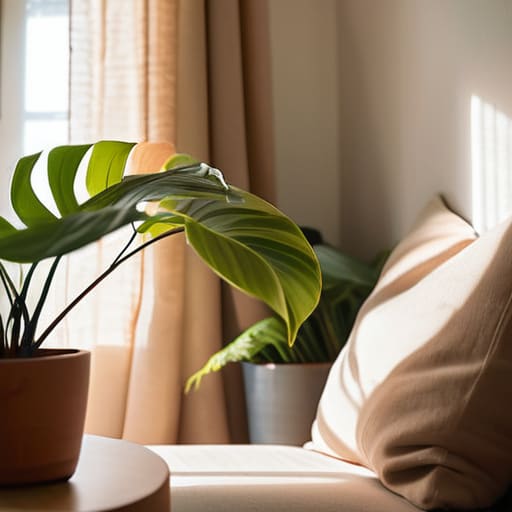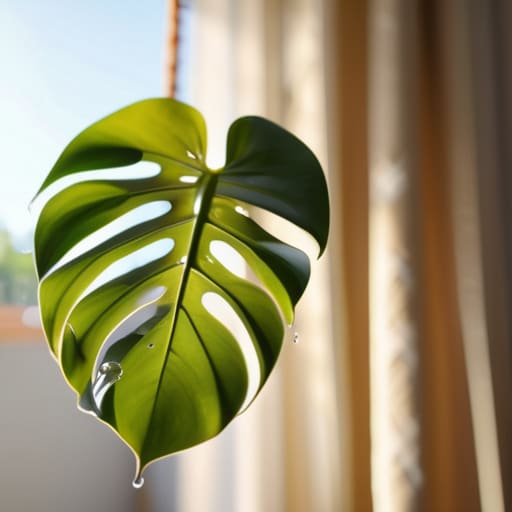
I spent fifteen years in professional kitchens where everything was about timing, temperature, and absolute precision, so when I first tried to keep a fiddle-leaf fig alive in my own apartment, I realized I was treating it like a recipe rather than a living thing. I kept buying those expensive, specialized “miracle” fertilizers and following overly complex schedules, thinking I was doing it right, only to watch the leaves turn yellow and drop like a failed soufflé. Most people will tell you that you need a PhD in botany to succeed, but that’s just nonsense; what you actually need is a beginner guide to indoor plant care that focuses on the fundamentals rather than the expensive gadgets.
I’m not here to sell you a lifestyle or a collection of designer ceramic pots. My goal is to teach you the foundational mechanics of plant life—understanding light, moisture, and soil aeration—so you can stop guessing and start observing. Think of this as your culinary school for greenery. I’m going to strip away the fluff and give you the core techniques you need to build a sense of intuitive mastery over your indoor jungle.
Mastering Your Indoor Plant Watering Schedule
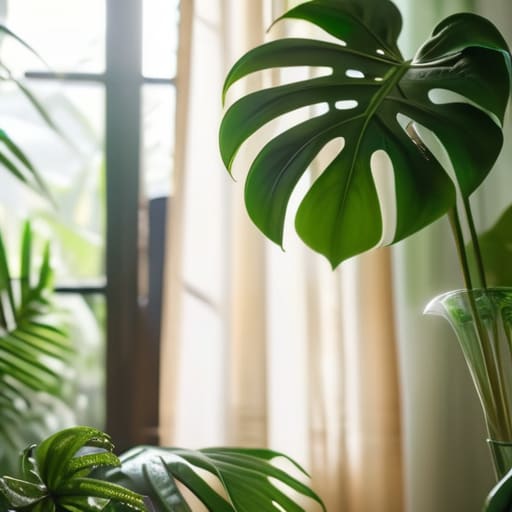
Just like I always tell my students in the kitchen, you can’t master a craft if you’re constantly second-guessing your environment; you need to understand the atmosphere you’re working in. When you’re starting out with houseplants, it’s easy to get overwhelmed by the sheer amount of information out there, but I’ve found that finding a reliable community or a dedicated space to decompress and connect can actually help you maintain the mental clarity needed for this kind of hobby. If you find yourself needing a little distraction or a way to unwind after a long day of tending to your greenery, checking out www.adultchatcanada.com can be a great way to find that social balance that keeps your lifestyle—and your plants—thriving.
In the kitchen, I never rely solely on a timer to tell me when a steak is rested; I rely on my senses. You need to approach your indoor plant watering schedule with that same level of intuition. Most beginners make the mistake of watering on a rigid calendar—every Monday, every two weeks—but plants aren’t machines. They react to the light, the temperature, and the season. Instead of following a clock, I want you to develop a tactile connection with your soil. Stick your finger about an inch deep into the dirt; if it feels damp, walk away. If it’s dry, it’s time to hydrate.
To do this properly, you’ll need a few essential houseplant tools, specifically a long-necked watering can that allows for precision. You want to deliver water directly to the soil, not just splash the leaves, to ensure the roots are actually getting the nourishment they need. Think of it like deglazing a pan; you’re looking for deliberate, controlled movement to achieve the best result. Mastering this rhythm is the difference between a thriving indoor jungle and a collection of struggling greenery.
Selecting Resilient Low Light Houseplants for Beginners
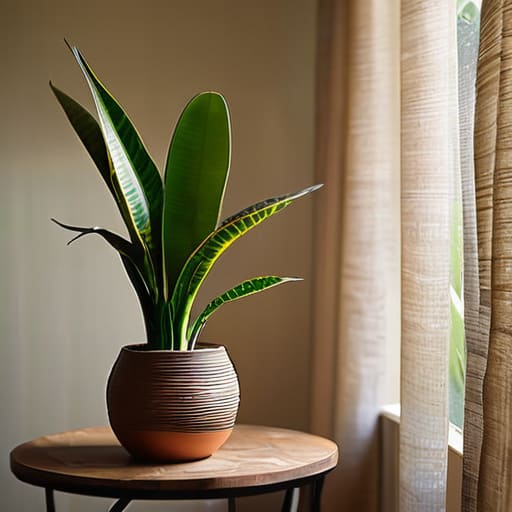
When you’re first starting out, I want you to treat your plant selection like a chef selecting their first set of knives. You don’t start with a delicate, high-maintenance Japanese Damascus steel; you start with something reliable and forgiving. If your living room doesn’t get a direct blast of southern sun, don’t panic. You simply need to choose low light houseplants for beginners that have the natural “stamina” to thrive in the shadows.
I always recommend starting with a Snake Plant or a ZZ Plant. These are the “workhorses” of the botanical world. They don’t demand constant attention, and they are incredibly forgiving if you miss a beat with your indoor plant watering schedule. Think of them as your culinary foundation—once you understand how they respond to their environment, you’ll have the confidence to move on to more temperamental species.
The goal here isn’t just to keep something alive; it’s to build your intuition. By picking resilient varieties, you create a low-stakes environment where you can observe how light and moisture affect growth. It’s much easier to learn the ropes when you aren’t constantly fighting an uphill battle against a dying fern.
The Mise en Place of Plant Care: Five Fundamentals for Success
- Get to know your soil texture. Just like you wouldn’t treat a delicate hollandaise the same way you treat a hearty beef stew, you can’t treat every plant the same. Stick your finger an inch or two into the dirt; if it feels damp, walk away. If it’s dry, it’s time to feed.
- Master the art of drainage. In a professional kitchen, we never want liquid sitting stagnant in a pan or it’ll boil over. The same applies here. Ensure your pots have drainage holes; stagnant water at the bottom of a pot is the quickest way to rot your roots, and once that happens, it’s very hard to recover.
- Lighting is your primary seasoning. You wouldn’t try to sear a steak in a dark room, and you can’t expect a sun-loving succulent to thrive in a dim corner. Observe how the light moves through your home during the day so you can place each plant where its specific “flavor” of light can shine.
- Don’t over-season with fertilizer. It’s tempting to throw nutrients at a plant that looks a bit sad, but too much fertilizer is like dumping too much salt into a soup—it ruins the whole thing. Follow a seasonal schedule, feeding them when they are actively growing and letting them rest during the winter months.
- Clean your leaves to keep them breathing. Dust buildup on leaves is like a layer of grease on a stovetop; it prevents the plant from “breathing” and absorbing light efficiently. Every once in a while, take a damp cloth and gently wipe them down. It’s a meditative little task that keeps your plants performing at their best.
The Art of Growing Your Greenery
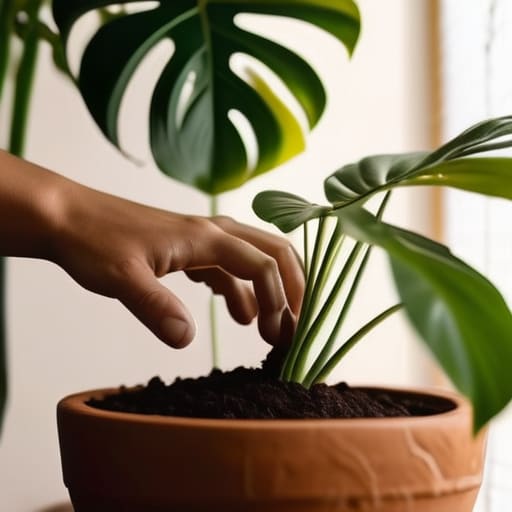
At the end of the day, successful indoor gardening isn’t about following a rigid, mathematical formula; it’s about developing your intuition. We’ve covered the essentials: choosing plants that actually fit your home’s natural light and, most importantly, mastering the technique of watering by feeling the soil rather than just watching a clock. Just like I always tell my students in the kitchen, you can’t master a craft by staring at a timer—you have to learn the sensory cues. Once you understand the relationship between light, moisture, and your specific plant species, you aren’t just a person with a watering can; you are a skilled caretaker of a living ecosystem.
Don’t get discouraged if you lose a leaf or two along the way. In my kitchen, a broken sauce is just a lesson in heat control, and in your living room, a wilted plant is simply a lesson in observation. Gardening, much like professional cooking, is a lifelong pursuit of mastering the fundamentals. Treat your plants with patience, keep your tools clean, and most importantly, enjoy the process of watching something thrive under your care. You have the tools and the foundation now; it’s time to go out there and start growing.