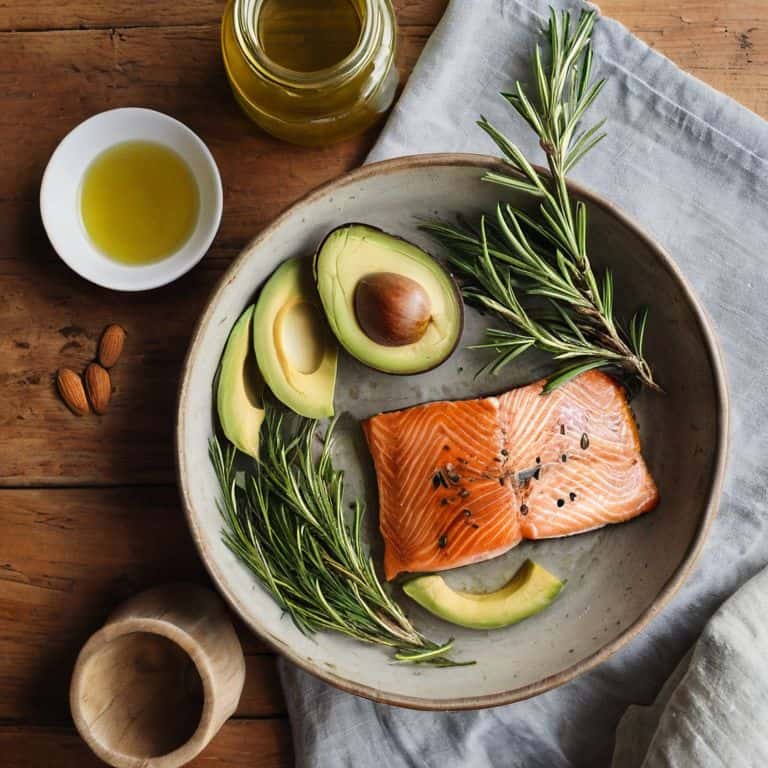
I still remember the day I realized that the difference between monounsaturated and polyunsaturated fats wasn’t as complicated as the health experts made it out to be. As a nutritionist, I’ve seen my fair share of restrictive diet plans that left people feeling deprived and miserable. But what if I told you that understanding these two types of fats could be the key to unlocking a world of delicious and nutritious food options? The problem is, most of us have been misled into believing that one is inherently “better” than the other, when in reality, it’s all about balance and joyful eating.
In this article, I promise to cut through the noise and give you the lowdown on the difference between monounsaturated and polyunsaturated fats. I’ll share my personal experience and expertise to help you make informed decisions about your diet, without sacrificing flavor or satisfaction. My goal is to empower you with practical knowledge and inspire you to create healthy, mouth-watering meals that nourish your body and soul. By the end of this journey, you’ll be equipped with the confidence to make choices that align with your values and taste buds, and you’ll never have to choose between “healthy” and “delicious” again.
Table of Contents
Nourishing With Fats
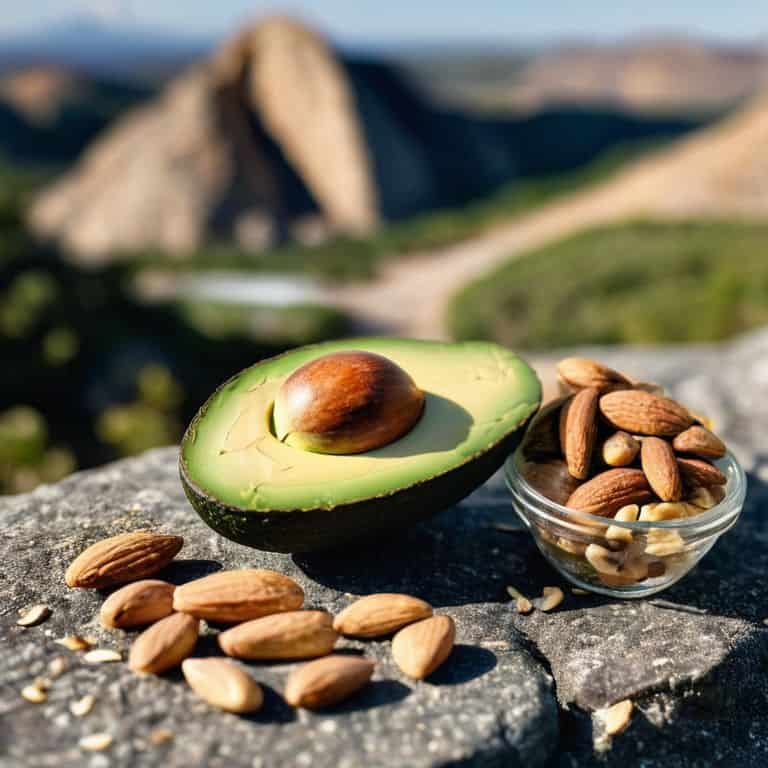
When it comes to nourishing our bodies, fats play a vital role. Monounsaturated fats, found in foods like avocados and nuts, are not only delicious but also provide sustained energy. I love incorporating these foods into my trail runs’ snack routine, as they keep me going throughout my adventures. On the other hand, polyunsaturated fats, which include omega-3 and omega-6 fatty acids, are essential for heart health. Finding a balance between these two types of fatty acids is crucial, as it can help reduce inflammation and improve overall well-being.
In the kitchen, I enjoy experimenting with different types of fats for cooking. While saturated fats are often seen as less desirable, they can be used in moderation for certain dishes. However, when it comes to healthy cooking, I opt for monounsaturated or polyunsaturated fats. For instance, using olive oil, which is high in monounsaturated fats, can add a rich flavor to dishes while providing numerous health benefits. Meanwhile, polyunsaturated fats, like those found in fatty fish, can be used to make omega-3 rich salads that support heart health.
By understanding the benefits of different types of fats, we can make informed decisions about our diet. Essential fatty acids, which include omega-3 and omega-6, are vital for various bodily functions, such as brain function and hormone production. As a nutritionist, I always emphasize the importance of balance and variety in one’s diet. By incorporating a range of monounsaturated fat food sources and polyunsaturated fats into our meals, we can ensure that our bodies receive the necessary nutrients to thrive.
Monounsaturated Fat Food Sources
When it comes to incorporating monounsaturated fats into our diets, the options are plentiful and deliciously varied. We can find these healthy fats in an array of whole foods, including avocados, nuts, and seeds.
Monounsaturated fat-rich foods like olive oil are a great way to add flavor and nutrition to our meals, making healthy eating a joyful experience.
Polyunsaturated Fat Benefits Uncovered
When it comes to polyunsaturated fats, the benefits are numerous, with a key one being their ability to _lower cholesterol levels_. This is especially important for heart health, as high cholesterol can lead to a range of cardiovascular issues. By incorporating polyunsaturated fats into your diet, you can help keep your heart healthy and strong.
Polyunsaturated fats also play a crucial role in brain function, helping to support cognitive health and development. This makes them an essential part of a healthy diet, particularly for children and adolescents. By making informed choices about the types of fat we eat, we can nourish our bodies and support overall well-being.
The Difference Revealed
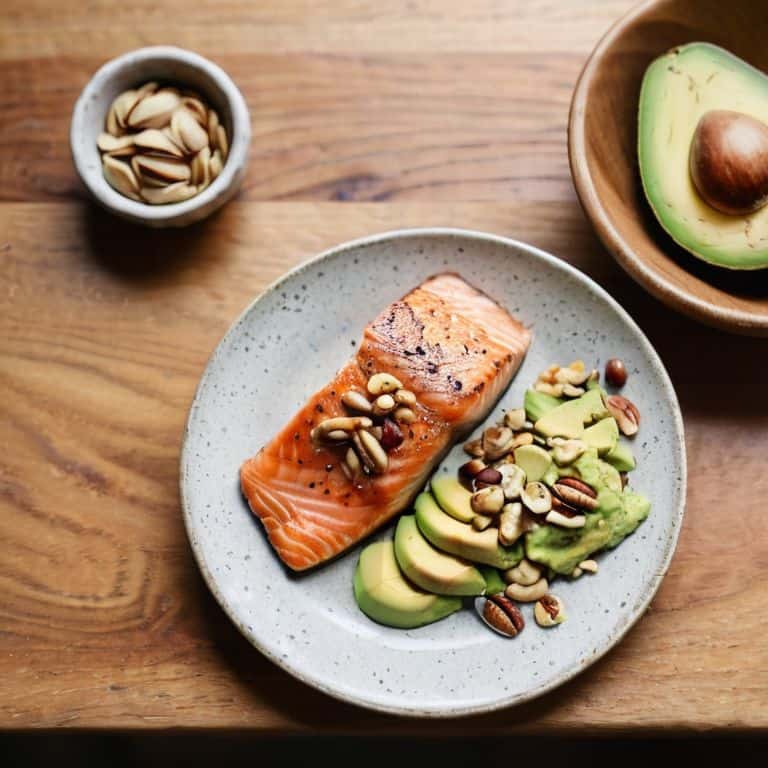
As we dive into the world of fats, it’s essential to understand the unique characteristics of each type. Monounsaturated fat food sources, such as avocados and nuts, are rich in healthy fats that can help lower cholesterol levels. On the other hand, polyunsaturated fats, found in fatty fish and flaxseeds, are packed with omega 3 and omega 6 fatty acids, which are crucial for heart health.
When it comes to cooking, the choice between monounsaturated vs polyunsaturated fat depends on the desired flavor and texture. Monounsaturated fats, like olive oil, are ideal for low-heat cooking, while polyunsaturated fats, like grapeseed oil, are better suited for high-heat cooking. It’s also important to consider the health effects of saturated vs unsaturated fats, as consuming high amounts of saturated fats can increase the risk of heart disease.
By striking a balance between monounsaturated and polyunsaturated fats, we can ensure that our bodies receive the essential fatty acids needed to function properly. This balance is critical, as it can help regulate inflammation and improve overall health. By incorporating a variety of whole foods into our diets, we can effortlessly achieve this balance and reap the rewards of a healthy and delicious eating plan.
Balancing Omega 3 and 6
To achieve a harmonious balance in our diets, it’s essential to understand the delicate relationship between omega 3 and 6 fatty acids. Nourishing our bodies with the right ratio of these fats can have a significant impact on our overall health. Omega 6 fatty acids are abundant in many foods, but it’s crucial to balance them with omega 3-rich foods to avoid an imbalance.
A healthy ratio of omega 6 to omega 3 fatty acids is vital for reducing inflammation and promoting heart health. By incorporating foods rich in omega 3s, such as fatty fish and flaxseeds, into our meals, we can create a more balanced and nourishing diet that supports our well-being.
Monounsaturated vs Polyunsaturated for Cooking
When it comes to cooking, the choice between monounsaturated and polyunsaturated fats can be a bit overwhelming. However, understanding their smoke points is crucial to bringing out the best flavors in your dishes. Monounsaturated fats, like those found in avocado oil, have a higher smoke point, making them ideal for high-heat cooking methods like sautéing and grilling.
In contrast, polyunsaturated fats, such as those found in flaxseed oil, have a lower smoke point, making them better suited for low-heat cooking or as a finishing touch for dishes. By choosing the right fat for your cooking method, you can enhance the nutritional value and flavor of your meals, making healthy cooking a truly enjoyable experience.
Embracing the Delicious Duo: 5 Key Tips to Unlock the Power of Monounsaturated and Polyunsaturated Fats
- Choose monounsaturated fats like avocados and almonds for baking and low-heat cooking to boost nutrient retention and add creaminess
- Balance your omega-3 and omega-6 intake by combining polyunsaturated fat sources like walnuts and chia seeds with monounsaturated fat sources like olive oil
- Select polyunsaturated fats like fatty fish and flaxseeds for high-heat cooking or as a finishing touch to preserve their delicate nutritional profiles
- Create a harmonious fat blend by pairing monounsaturated and polyunsaturated fats in your favorite recipes, such as mixing olive oil with walnut oil for a salad dressing
- Indulge in small portions of saturated fats like dark chocolate and full-fat dairy to satisfy your cravings, while focusing on whole foods rich in monounsaturated and polyunsaturated fats for optimal nutrition
Key Takeaways to Nourish Your Way
Embracing monounsaturated and polyunsaturated fats can elevate your meals from bland to grand, while boosting your overall health and satisfaction
Striking a balance between omega-3 and omega-6 fatty acids is crucial for optimal well-being, and it’s easier than you think with the right food choices
Whether you’re a culinary newbie or a seasoned chef, understanding the difference between monounsaturated and polyunsaturated fats can help you cook up a storm and make informed decisions for a healthier, happier you
Embracing the Delicious Difference
The distinction between monounsaturated and polyunsaturated fats is not about labeling one as superior to the other, but about embracing their unique benefits and finding harmony in the balance, because when we nourish our bodies with joy, every bite becomes a celebration of health and delight.
Laura Paskal
Embracing the Delicious Duo
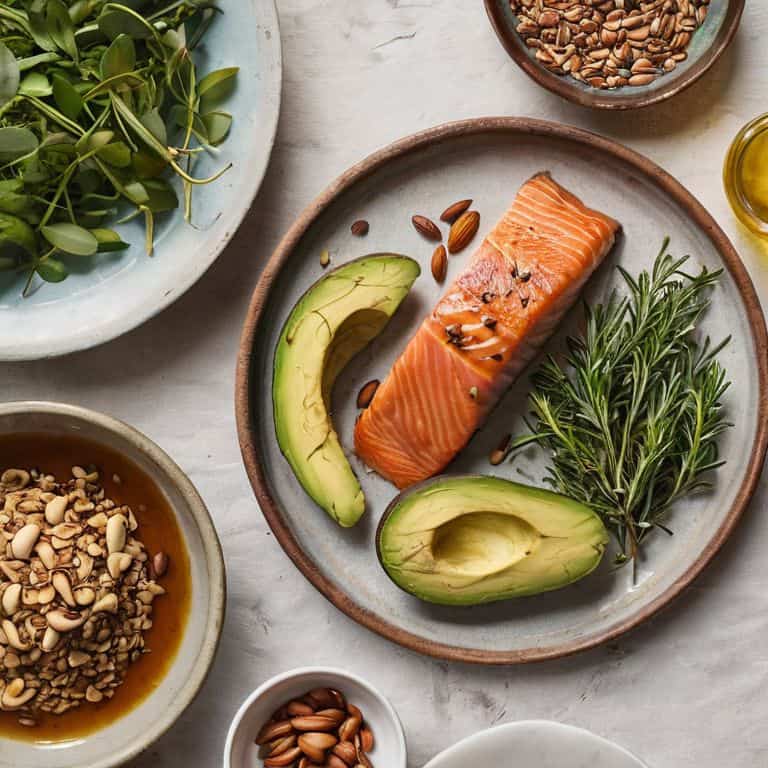
As we’ve explored the world of monounsaturated and polyunsaturated fats, it’s clear that understanding their differences is key to unlocking a healthier, more balanced diet. From the rich sources of monounsaturated fats like avocados and nuts, to the incredible benefits of polyunsaturated fats found in fatty fish and flaxseeds, each plays a vital role in our overall wellness. By grasping how to balance omega 3 and 6 and making informed choices about which fats to use in cooking, we can take a significant step towards nourishing our bodies without sacrificing flavor.
So, let’s embrace this newfound knowledge and cook with joy, remembering that the healthiest ingredient in any dish is always love. As we continue on our culinary journeys, may our plates be filled with not just delicious food, but also with the understanding that healthy and tasty are not mutually exclusive. By choosing to focus on adding nutrients rather than just removing calories, we open ourselves up to a world of gastronomic possibilities that nourish both body and soul.
Frequently Asked Questions
Can I get enough monounsaturated and polyunsaturated fats from plant-based sources alone?
Absolutely, you can get enough of these fabulous fats from plant-based sources! Nuts, seeds, avocados, and olive oil are all rich in monounsaturated fats, while chia seeds, flaxseeds, and walnuts are packed with polyunsaturated fats – making it easy to nourish your body with a balanced, plant-based diet.
How do I balance my intake of omega-3 and omega-6 fatty acids for optimal health?
To balance omega-3 and omega-6 fatty acids, aim for a ratio of 1:4 to 1:10. Focus on whole foods like fatty fish, nuts, and seeds, which naturally contain a balanced mix. I recommend incorporating walnuts, chia seeds, and wild-caught salmon into your meals to effortlessly achieve this harmony and support optimal health.
Are there any specific health benefits to using monounsaturated fats over polyunsaturated fats in my daily cooking?
I love that you’re thinking about the benefits of different fats in your cooking! Monounsaturated fats, like those found in avocados and olive oil, tend to be more stable when heated, making them a great choice for sautéing and roasting. This stability can help preserve their nutritional benefits, whereas polyunsaturated fats can become damaged when exposed to high heat.