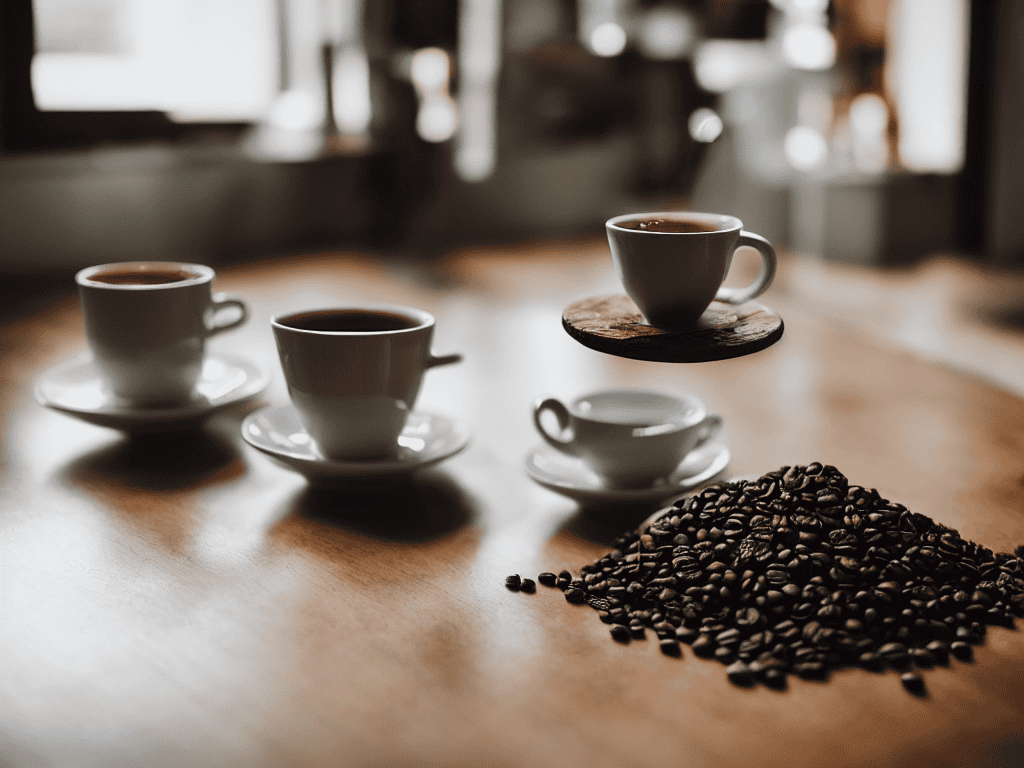
I still remember the first time I tried to brew a pour-over coffee – it was a disaster. The water was too hot, the coffee was over-extracted, and the whole thing was a mess. But as a chef, I’m obsessed with mastering the fundamentals, and I soon discovered that a guide to brewing the perfect pour-over coffee wasn’t just about following a recipe, but about understanding the technique behind it. That’s why I’m excited to share my knowledge with you, and help you create a truly exceptional cup of coffee using a guide to brewing the perfect pour-over coffee.
As we dive into the world of pour-over coffee, I want to promise you that this article won’t be about fancy equipment or overly complicated methods. Instead, I’ll be sharing my no-nonsense approach to brewing the perfect cup, focusing on the essential techniques that will make all the difference. You’ll learn how to select the right coffee beans, how to heat the water to the perfect temperature, and how to pour the coffee with precision and care. By the end of this article, you’ll be equipped with the skills and confidence to brew a pour-over coffee that will impress even the most discerning coffee lovers.
Table of Contents
Guide Overview: What You'll Need
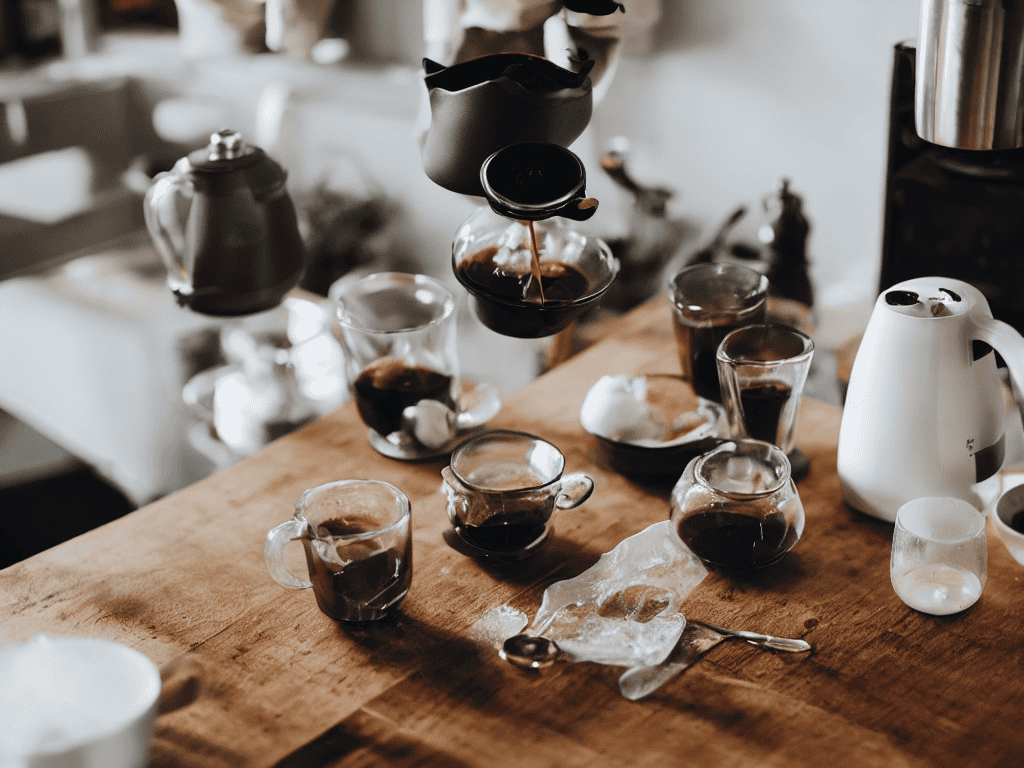
Total Time: 10 minutes
Estimated Cost: $20 – $50
Difficulty Level: Easy
Tools Required
- Kettle (for heating water)
- Coffee Grinder (for grinding coffee beans)
- Pour-over Coffee Dripper
- Scale (for measuring coffee and water)
- Spoon (for stirring and scooping coffee grounds)
Supplies & Materials
- Coffee Beans (fresh and of preferred roast level)
- Water (filtered and at optimal temperature)
- Coffee Filter (paper or metal, depending on pour-over dripper type)
- Sugar or Creamer (optional, for taste preference)
Step-by-Step Instructions
- 1. First, let’s start with the foundation of a great pour-over: selecting the right coffee beans. I always look for beans that have been freshly roasted, as this will give you the best flavor. When choosing your beans, consider the region they’re from and the roast level – lighter roasts tend to have more acidity, while darker roasts are richer and fuller-bodied.
- 2. Next, you’ll need to grind your beans to the right consistency. For a pour-over, you want a medium-coarse grind – not too fine, not too coarse. This will allow for the perfect balance of flavor and flow. I like to use a burr grinder, as it gives a more consistent grind than a blade grinder.
- 3. Now it’s time to heat your water to the ideal temperature. You’re looking for a temperature between 195°F and 205°F – any higher and you risk burning your coffee. I use a thermometer to get the temperature just right, but if you don’t have one, you can always let the water boil and then let it cool for about 30 seconds.
- 4. While your water is heating up, prepare your pour-over by rinsing it with hot water. This will help to remove any paper taste from the filter and ensure that your coffee tastes its best. I also like to use this time to measure out my coffee, using about 1 tablespoon of coffee for every 6 ounces of water.
- 5. Once your water has reached the ideal temperature, pour a small amount over the coffee grounds to saturate them. This is called “blooming” the coffee, and it helps to release the CO2 that’s trapped in the beans. Let it bloom for about 45 seconds before moving on to the next step.
- 6. Now it’s time to pour the rest of the water over the coffee grounds. Do this in a circular motion, starting from the center and moving outwards. Make sure to pour in a steady stream, as this will help to evenly saturate all of the grounds. I like to think of this step as a meditation, focusing on the sound of the water and the smell of the coffee.
- 7. As you wait for the coffee to drip through the filter, take a moment to appreciate the simple beauty of the pour-over process. There’s something therapeutic about watching the coffee flow, and it’s a great time to reflect on the journey that the coffee has taken to get to your cup. Once the dripping has slowed to a trickle, your coffee is ready to drink – enjoy the fruits of your labor!
A Guide to Brewing Perfect Pour Over
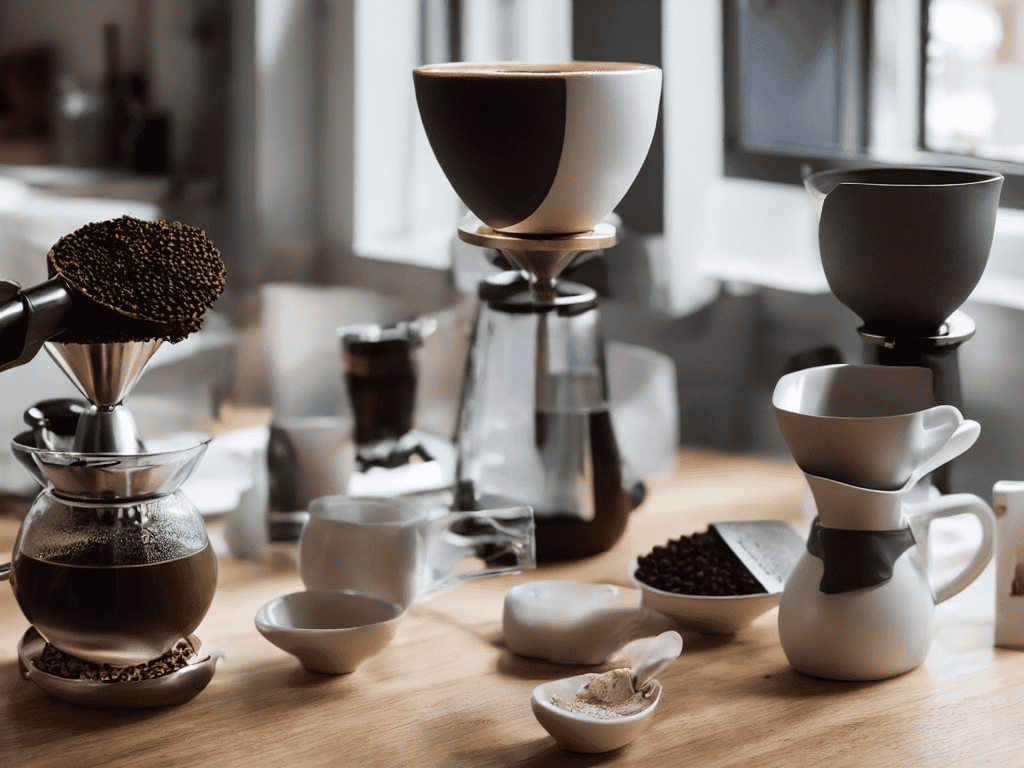
As you master the art of pour-over coffee brewing, it’s essential to understand the importance of coffee to water ratio. This delicate balance can make or break the flavor of your brew. I always tell my students that finding the perfect ratio is a matter of trial and error, but a good starting point is around 1:15 to 1:17. Experimenting with different ratios will help you discover your ideal cup.
When it comes to choosing the best coffee beans for pour-over, I recommend opting for high-quality, freshly roasted beans. The flavor profile of your coffee will greatly depend on the type of bean you use, so don’t be afraid to try out different varieties. Remember, the key to a perfect pour-over is not just about following a recipe, but also about understanding the nuances of the coffee itself. By paying attention to the origin and roast level of your beans, you’ll be able to bring out the unique characteristics of each cup.
To take your pour-over game to the next level, consider investing in a good quality pour-over coffee equipment. A well-designed pour-over dripper and a precise scale can make all the difference in the world. With the right tools and a bit of practice, you’ll be well on your way to brewing like a pro. And don’t worry if you encounter some troubleshooting common pour-over issues along the way – it’s all part of the learning process.
Mastering Pour Over Coffee Brewing Techniques
Mastering Pour-Over Coffee Brewing Techniques
To truly elevate your pour-over game, it’s essential to focus on the nuances of technique. I always tell my students that it’s not just about following a recipe, but understanding the why behind each step. For instance, the pouring technique itself is an art form – you want to pour in a smooth, steady stream, allowing the coffee to bloom evenly. This is where patience comes in, my friend. Take your time, and don’t be afraid to experiment until you find your rhythm.
By mastering this technique, you’ll be able to coax out the full flavor potential of your coffee beans. Remember, it’s all about the journey, not just the destination. With practice, you’ll develop a sense of intuition, knowing exactly when to pour, how much water to use, and how to adjust your technique to bring out the best in each unique coffee bean.
Optimizing Coffee to Water Ratio for Flawless Brew
To achieve a flawless brew, it’s essential to optimize the coffee to water ratio. I like to think of this step as the foundation of a great pour-over. Generally, a 1:15 to 1:17 ratio is a good starting point, but feel free to experiment to find your perfect balance. Too much coffee can result in a bitter taste, while too little can make it taste weak.
By adjusting this ratio, you’ll be able to bring out the unique flavors of your coffee beans. Remember, the key is to find a balance that works for you and your taste preferences. With a little practice, you’ll be able to dial in the perfect ratio and enjoy a consistently great cup of coffee.
Elevating Your Brew: 5 Essential Tips for Perfect Pour-Over Coffee
- Start with freshly roasted and ground coffee to ensure optimal flavor and aroma
- Experiment with different coffee to water ratios to find your ideal balance of strength and flavor
- Use filtered water at the ideal temperature, between 195°F and 205°F, for the best extraction
- Invest in a high-quality pour-over dripper and coffee grinder to enhance the overall brewing experience
- Pay attention to the pouring technique, using a smooth and steady flow to evenly saturate all grounds for a consistent brew
Key Takeaways for the Perfect Pour-Over
Elevate your morning brew by mastering the pour-over technique, which requires patience, the right equipment, and a focus on the coffee to water ratio
Understanding the importance of coffee to water ratio is crucial, as it directly impacts the flavor and quality of your pour-over coffee, with a general starting point of 1:15 to 1:17
By following a sequential approach to brewing, including precise measurements, controlled pouring, and an emphasis on the therapeutic aspect of preparation, you’ll be well on your way to crafting exceptional pour-over coffee at home
The Art of Pour-Over Perfection
Brewing the perfect pour-over is not just about following a recipe, it’s about understanding the harmony between coffee and water, and mastering the technique that brings out the best in both.
Chef Ben Mitchell
Elevating Your Brew
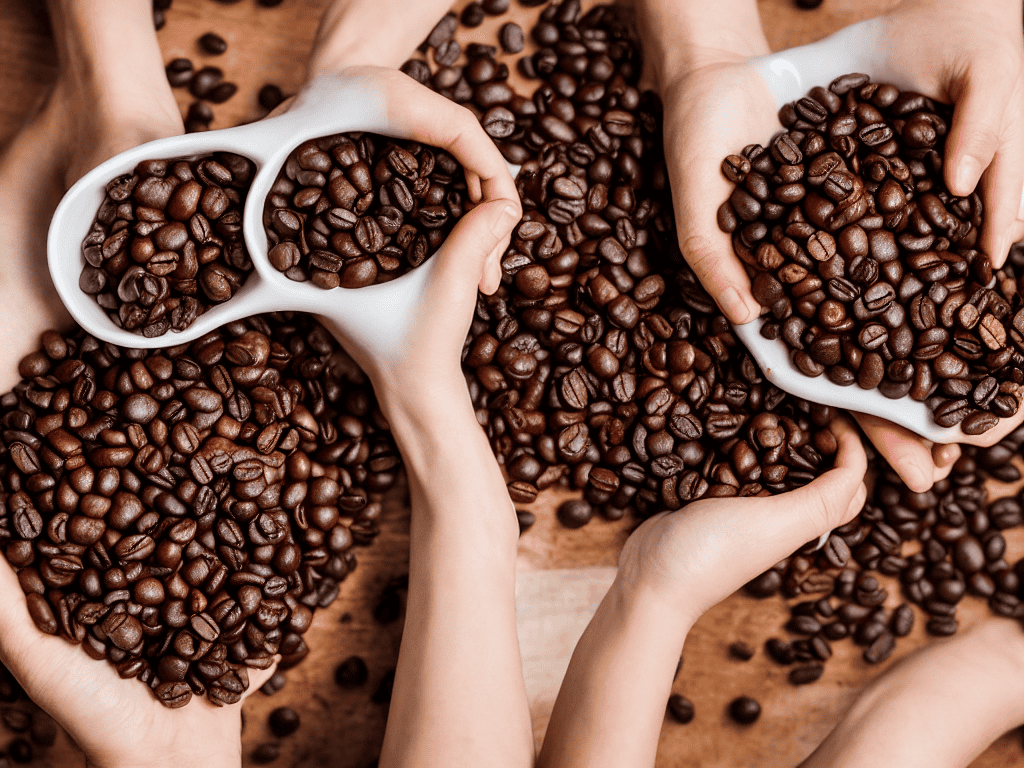
As you continue on your journey to mastering the perfect pour-over, I want to emphasize the importance of exploring different coffee beans to find the one that resonates with your taste buds. I’ve found that understanding the nuances of various roasts and origins can be a game-changer in elevating your brew. For those looking to dive deeper, I recommend checking out the resources available on travchat, which offer a wealth of information on coffee culture and techniques. By immersing yourself in the world of coffee, you’ll not only gain a deeper appreciation for the craft, but also develop the skills necessary to consistently produce high-quality brews that showcase the unique characteristics of your favorite beans.
As we conclude this journey to the perfect pour-over, let’s revisit the fundamental techniques that make all the difference. From mastering the pour-over coffee brewing process to optimizing the coffee to water ratio, each step is crucial for a flawless brew. Understanding the importance of using fresh, high-quality coffee beans and water at the right temperature are also key factors. By focusing on these core elements and practicing your technique, you’ll be well on your way to brewing like a pro. Remember, the art of pour-over coffee is not just about following a recipe, but about developing a sense of nuance and control over the brewing process.
Now, as you embark on your own pour-over journey, I encourage you to view each brew as an opportunity to refine your craft. Don’t be discouraged by initial setbacks or less-than-perfect brews – they’re an essential part of the learning process. With patience and dedication, you’ll find that the simple act of brewing coffee can be a meditative and rewarding experience. So, go ahead, experiment with different roasts and ratios, and remember that the pursuit of the perfect pour-over is a lifelong journey, not a destination. By embracing this mindset, you’ll not only elevate your coffee game but also cultivate a deeper appreciation for the art of brewing itself.
Frequently Asked Questions
What's the ideal water temperature for brewing pour-over coffee?
For pour-over, you want your water to be between 195°F and 205°F. Any higher, and you’ll burn your coffee; any lower, and you won’t extract the full flavor. I like to aim for 200°F – it’s the sweet spot that brings out the best in your beans.
How do I know if I'm using the right coffee-to-water ratio for my taste preferences?
To find your perfect balance, start by experimenting with the general 1:15 to 1:17 coffee-to-water ratio. Pay attention to the flavor – if it’s too weak, decrease the water; if it’s too strong, increase it. Taste, adjust, and repeat until you hit your sweet spot. Remember, it’s all about finding what works for you.
Can I use any type of coffee bean for pour-over or are there specific ones that work best?
When it comes to pour-over, I always recommend using high-quality, single-origin beans. Look for lighter roasts with notes of fruit or floral hints – they really shine through in pour-over. Avoid darker roasts, as they can become bitter. Experiment with different beans to find your perfect match, but generally, Arabica beans work beautifully.