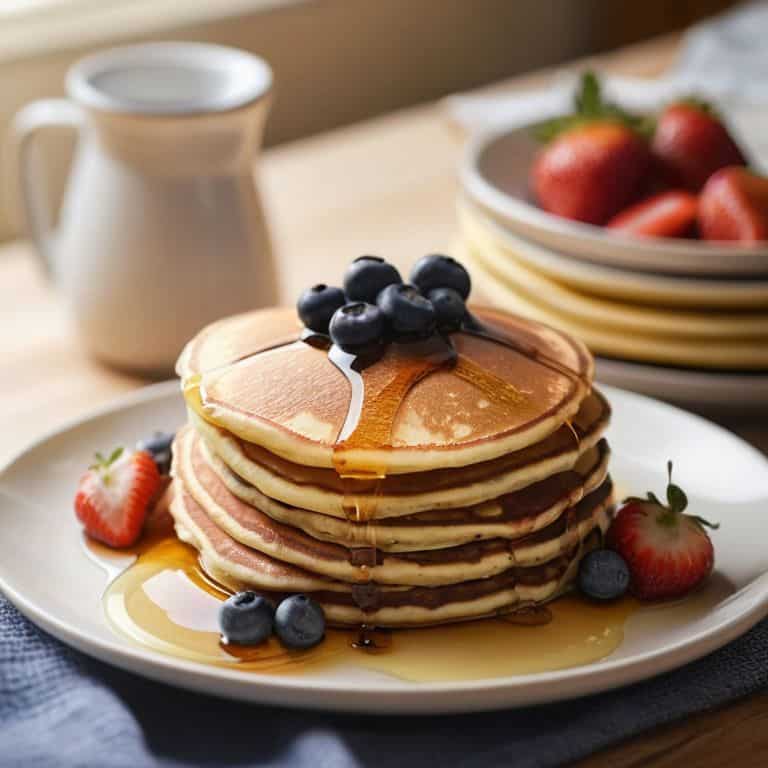
I still remember the first time I learned how to make pancakes from my grandmother. It was a Sunday morning, and the kitchen was filled with the warm, comforting aroma of freshly brewed coffee and melting butter. She would always say that the key to making the fluffiest, most delicious pancakes was to not overmix the batter, and to use the freshest ingredients possible. As I grew older, I realized that this simple yet crucial advice was often overlooked in many recipes. The common myth that making pancakes is a complicated, time-consuming process has always frustrated me, because the truth is, it’s quite the opposite.
In this article, I promise to share my no-fuss approach to making pancakes, one that I’ve perfected over the years through trial and error. I’ll guide you through the simple, honest steps to create a delicious, satisfying breakfast that’s sure to become a staple in your household. My goal is to provide you with reliable, experience-based advice that will make you feel confident in your ability to make mouth-watering pancakes every time. Whether you’re a beginner or an experienced cook, I’m excited to share my secrets with you, and I’m sure that by the end of this article, you’ll be eager to get into the kitchen and start cooking up a stack of fluffy, golden-brown pancakes.
Table of Contents
Recipe Details
Ingredients
- 1 cup all-purpose flour (sifted)
- 2 tablespoons sugar
- 2 teaspoons baking powder
- 1/4 teaspoon salt
- 1 cup milk
- 1 large egg
- 2 tablespoons butter, melted
Tools & Supplies
- Large mixing bowl
- Whisk
- Measuring cups
- Measuring spoons
- Non-stick skillet or griddle
Recipe Instructions
Step 1
First, let’s start with the basics: gathering our ingredients. I like to lay everything out on the counter, so I can see what I’m working with. For my signature pancakes, you’ll need all-purpose flour, sugar, eggs, milk, and a pinch of salt. Don’t even think about using that low-fat milk – we’re going for rich and creamy here.
Step 2
Next, we need to whisk together our dry ingredients: flour, sugar, and a pinch of salt. I love the sound of the whisk scraping against the sides of the bowl – it’s like music to my ears. Make sure to get in there and really mix it up, so everything is well combined and there are no lumps.
Step 3
Now it’s time to crack in those eggs. I know some people are afraid of getting shells in their batter, but don’t worry, I’ve got a trick for that: just crack the egg gently into a small bowl first, and then add it to your mixture. This way, you can fish out any stray shells before they cause trouble. Whisk those eggs in until they’re fully incorporated – you should start to see a smooth and creamy batter forming.
Step 4
With our wet and dry ingredients mixed, it’s time to add in the milk. I like to use a combination of milk and a little bit of melted butter to give my pancakes an extra boost of flavor. Whisk everything together until it’s just combined – don’t overdo it, or you’ll end up with tough pancakes.
Step 5
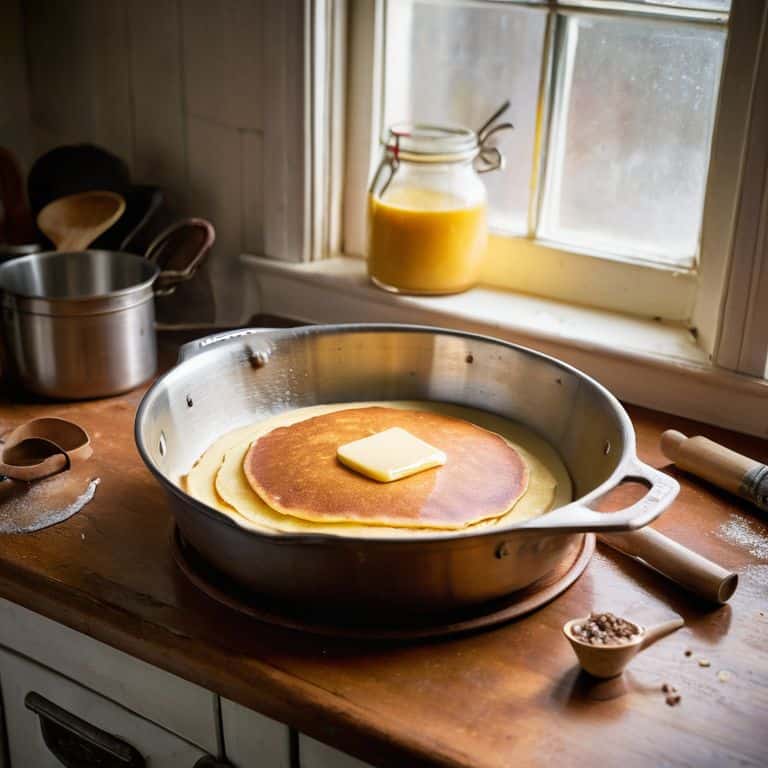
Heat up your skillet or griddle over medium heat, and get ready to cook. I like to use a cast-iron skillet, because it distributes the heat evenly and gives my pancakes a beautiful golden brown crust. Once your skillet is hot, drop in a small amount of butter to grease it, and then scoop in your batter. You should see bubbles forming on the surface of the pancake and the edges starting to dry – that’s when you know it’s time to flip.
Step 6
Flipping your pancakes is an art form – don’t be afraid to get a little creative. I like to use a spatula to loosen the edges of the pancake, and then flip it quickly and confidently. Don’t worry if your first few pancakes aren’t perfect – it takes a little practice to get the hang of it. Once you’ve flipped your pancake, cook it for another minute or until it’s golden brown and delicious.
How to Make Pancakes
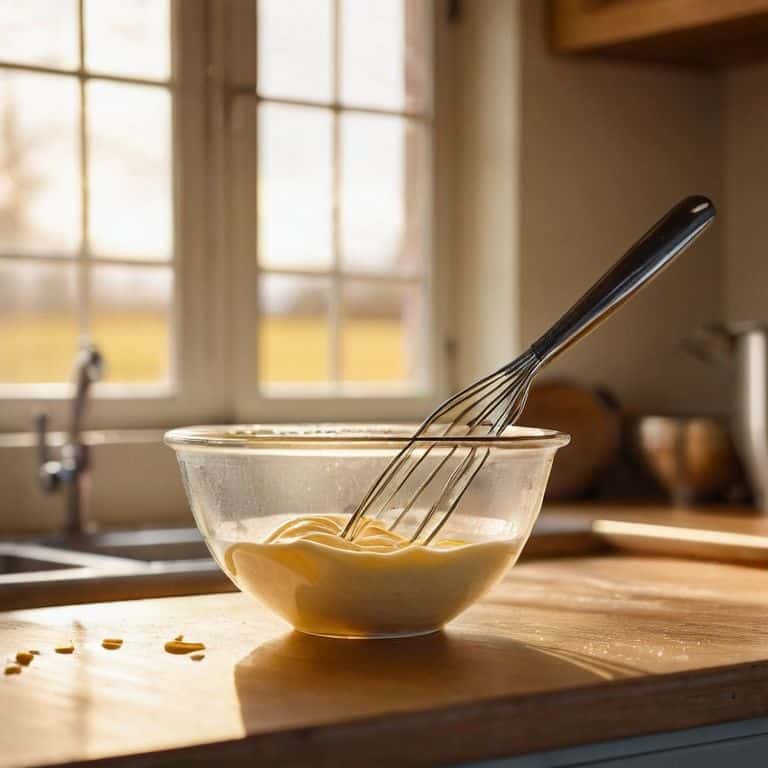
As I delve into the world of pancake perfection, I want to share a crucial aspect that can make or break your breakfast game: pancake batter consistency. It’s all about finding that sweet spot where your batter is smooth, yet still retains a hint of texture. If it’s too thick, your pancakes will be dense and heavy; too thin, and they’ll spread out like crazy in the pan. I like to think of it as a delicate balance that requires a bit of practice to get just right.
When it comes to cooking your pancakes, the right pan can be a total game-changer. I swear by my trusty non_stick pan for pancakes, which ensures that my fluffy friends release easily and don’t get stuck. But if you’re feeling adventurous, you could try using a cast iron skillet for a crispy, golden-brown crust that’s simply irresistible. Just be sure to grease it up nicely before adding your batter, or you might end up with a sticky mess on your hands.
Now, let’s talk about taking your pancakes to the next level with some amazing easy pancake toppings ideas. From classic butter and maple syrup to fresh fruit and whipped cream, the possibilities are endless. If you’re feeling fancy, you could even try making your own blueberry pancake syrup recipe to drizzle over your stack. Whatever you choose, I promise you’ll be in for a treat that will leave you craving more of that sweet, fluffy goodness.
Non Stick Pan Essentials
When it comes to cooking pancakes, the right pan can make all the difference. I swear by my trusty non-stick skillet – it’s been with me through countless Sunday mornings and never fails to deliver. To get the most out of yours, make sure it’s heated to the perfect temperature before adding batter. You want it to be hot, but not smoking – a gentle sizzle when you add a drop of water is just right.
A quick spritz of cooking spray or a pat of melted butter can also work wonders in preventing those pesky pancakes from sticking. Trust me, there’s nothing worse than watching your perfectly cooked pancake tear apart as you try to flip it! With the right non-stick pan and a little TLC, you’ll be flipping like a pro in no time.
Pancake Batter Consistency Secrets
Now that we’ve got our ingredients and steps down, let’s talk about the secret to a truly unforgettable pancake: the batter consistency. I’ve found that it’s all about finding that perfect balance between thick and thin. You want it to be smooth and pourable, but still thick enough to hold its shape on the griddle. If it’s too thin, your pancakes will be flat and lackluster – but if it’s too thick, they’ll be dense and heavy.
To get it just right, I always mix my wet and dry ingredients separately and then gently fold them together. This helps prevent over-mixing, which can lead to a tough, dense batter. When you’ve got the consistency just right, you’ll know it – the batter will be smooth, creamy, and almost silky to the touch. Trust me, it makes all the difference in those fluffy, golden-brown pancakes we all crave!
Pancake Perfection: 5 Tips to Flip Your Way to Fluffy Heaven
- Use buttermilk for an unbeatable tenderness and a subtle tang that will elevate your pancakes to the next level
- Don’t overmix the batter – stop stirring as soon as the ingredients come together, and let the magic happen
- Let the batter rest for at least 30 minutes to allow the flour to absorb the liquid and the baking powder to activate, resulting in a lighter, airier texture
- Preheat your non-stick pan or griddle to the perfect temperature (medium-low, baby!) and grease it with a small amount of melted butter or oil for a golden-brown crust
- Resist the temptation to overcrowd the pan – cook your pancakes one by one, or in batches of two or three, to ensure they cook evenly and don’t steam instead of sear, which can make them tough and dense
Pancake Perfection: 3 Key Takeaways
Mastering the right batter consistency is crucial: it’s all about finding that sweet spot where your batter is smooth, yet still retains a hint of texture, making all the difference in the fluffiness of your pancakes
Using the right non-stick pan is a total game-changer – look for one with a sturdy construction, a comfortable handle, and a non-stick coating that’s PFOA-free, ensuring your pancakes release effortlessly and cook evenly
Tasting and adjusting as you go is essential: don’t be afraid to dip your finger into the batter or take a tiny sip of the mixture to check the seasoning, sweetness, and overall flavor, making those crucial last-minute tweaks to create truly unforgettable pancakes
The Pancake Philosophy
The art of making pancakes is all about embracing the beauty of imperfection – it’s in the tender lumps, the golden brown edges, and the sweet, syrupy kisses that you’ll find the true magic of a Sunday morning.
Sophie Carter
Savoring the Sweetness of Success
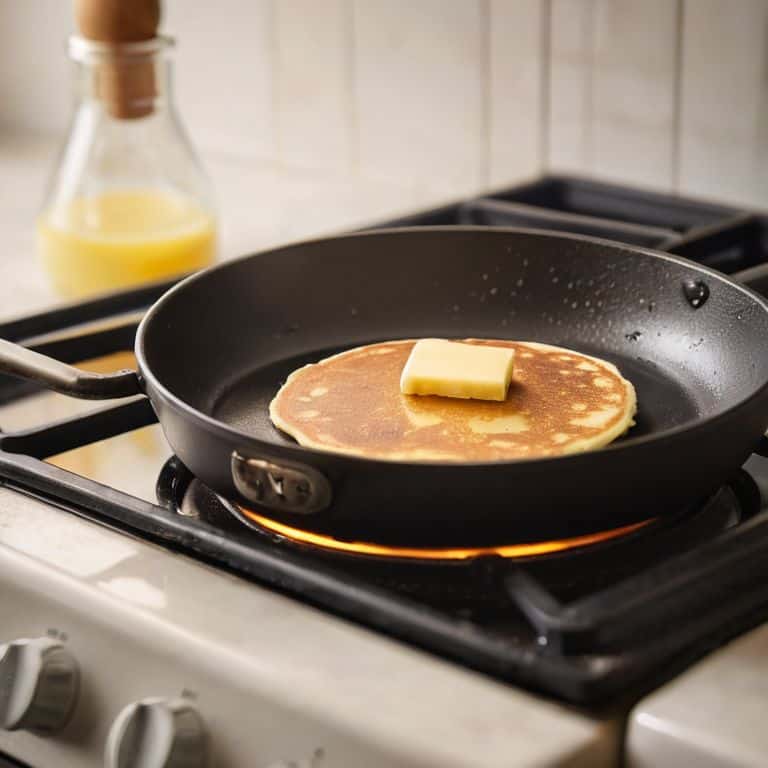
As we wrap up our journey to perfectly fluffy pancakes, let’s revisit the essential elements that make a real difference. From the importance of precise batter consistency to the crucial role of a well-seasoned non-stick pan, each step is a testament to the fact that making great pancakes is all about mastering the little things. By focusing on these often-overlooked details, you’ll be well on your way to creating a breakfast experience that’s nothing short of magical. Whether you’re a seasoned chef or a culinary newbie, the key to success lies in embracing the simplicity and elegance of this beloved dish.
Now that you’ve got the inside scoop on crafting the fluffiest, most unforgettable pancakes of your life, it’s time to get creative and make this recipe your own. Remember, the true beauty of cooking lies not just in following a set of instructions, but in infusing every dish with love and passion. As you stand in your kitchen, surrounded by the warm, comforting aromas of freshly cooked pancakes, I hope you feel a sense of pride and accomplishment that comes from knowing you’ve created something truly special. So go ahead, take a bite, and let the sweetness of success melt in your mouth – you’ve earned it!
Frequently Asked Questions
What's the best type of flour to use for making pancakes?
For the fluffiest pancakes, I swear by all-purpose flour with a high protein content – it gives them a tender texture and a subtle chew. I personally love using King Arthur or Bob’s Red Mill – their flours never disappoint!
How do I know if my pancake batter is too thick or too thin?
The million-dollar question! If your batter is too thick, it won’t pour smoothly, and if it’s too thin, it’ll be too runny. For me, the perfect batter should still hold its shape slightly, but pour easily off a spoon. Think of a thick, creamy honey – that’s your sweet spot!
Can I make pancake batter ahead of time and store it in the fridge overnight?
Absolutely, you can make pancake batter ahead of time! I like to mix mine the night before and store it in the fridge overnight. Just give it a good stir in the morning and you’re ready to go. The rest will even help the flour absorb the liquid ingredients, making your pancakes extra fluffy.