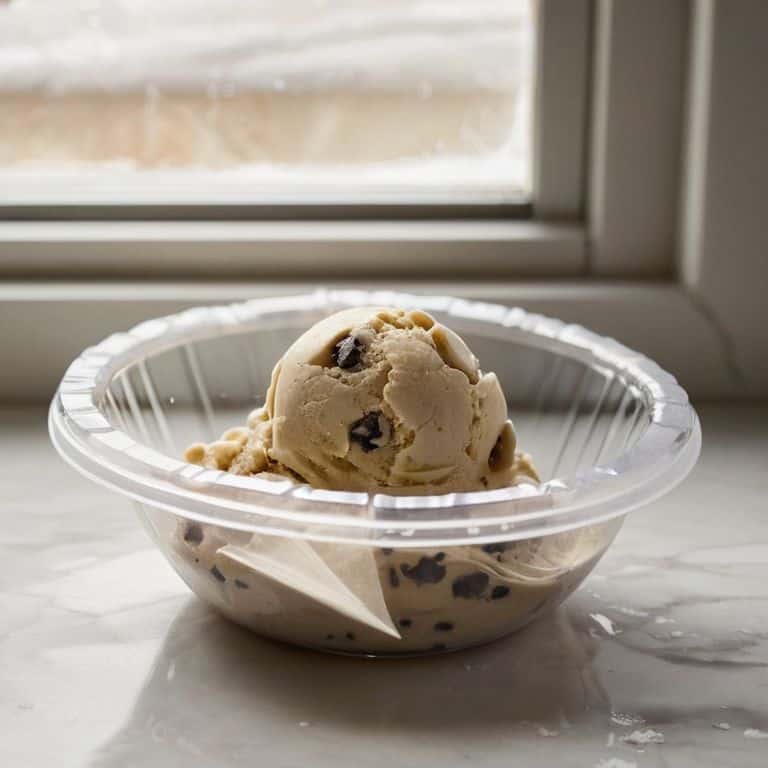
I still remember the first time I learned why you should chill your cookie dough. I was a young baker, eager to impress my family with a batch of homemade chocolate chip cookies. But as I scooped the dough onto the baking sheet, my mom stopped me and said, “Wait, didn’t you forget the most important step?” She was right, of course – chilling the dough makes all the difference. It’s a simple trick that can elevate your baked goods from decent to divine. And yet, so many recipes skip this crucial step or make it seem like an optional extra.
As someone who’s spent years perfecting their baking skills, I’m here to tell you that chilling your cookie dough is not a suggestion – it’s a necessity. In this article, I’ll share my no-nonsense approach to baking, and explain exactly why chilling your cookie dough is the key to achieving that perfect texture and flavor. I’ll give you the same advice I’d give to a friend: honest, straightforward, and based on years of experience in the kitchen. So, if you’re tired of mediocre cookies and want to take your baking to the next level, keep reading – I’ve got you covered.
Table of Contents
Unlock Cookie Secrets
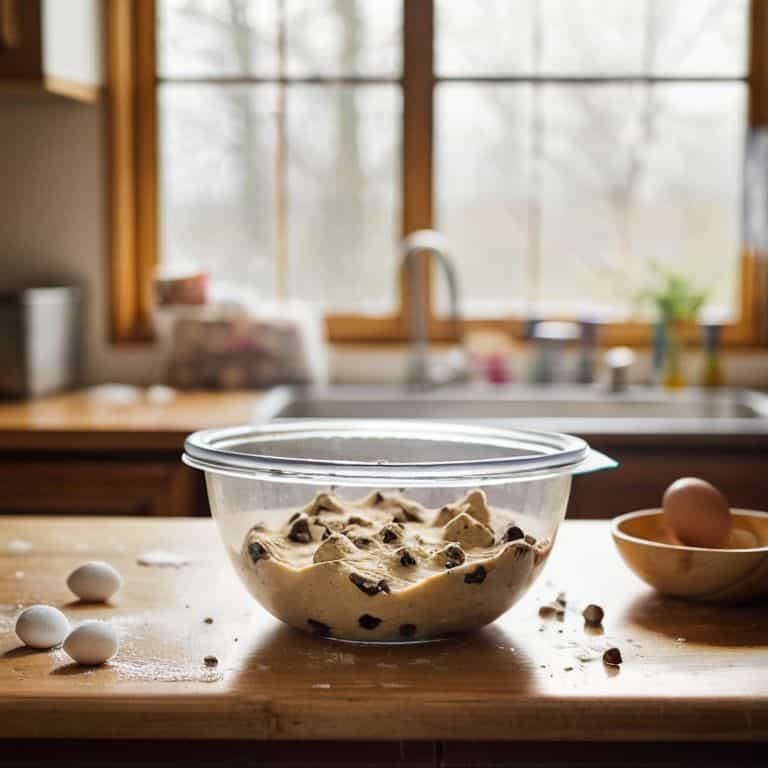
As I delve into the world of cookie perfection, I’ve come to realize that temperature control is key. When you let your cookie dough rest, you’re allowing the ingredients to meld together in harmony. This process, also known as resting, enables the flour to absorb the liquid ingredients, resulting in a more even texture. I’ve noticed that when I skip this step, my cookies tend to spread too much, losing their desired shape.
The science behind cookie spread is fascinating, and it all comes down to the benefits of resting cookie dough. By chilling the dough, you’re slowing down the spread of the cookies, allowing them to retain their shape and resulting in a better texture. I’ve experimented with different chilling times, and I can confidently say that the optimal time is around 30 minutes to an hour. This allows the dough to firm up, making it easier to handle and shape.
When it comes to chilled cookie dough vs room temperature, the difference is noticeable. Chilled dough is firmer, easier to work with, and produces a more consistent result. I’ve found that using chilled dough reduces the likelihood of overmixing, which can lead to tough cookies. By taking the time to chill your dough, you’ll be rewarded with cookies that are not only delicious but also visually appealing, with a perfect balance of texture and flavor.
Benefits of Resting Dough
As I delve into the world of cookie dough, I’ve come to realize that resting the dough is just as crucial as chilling it. The benefits of resting allow the flour to hydrate, making the dough easier to work with and resulting in a more tender crumb. This simple step can make all the difference in the texture and overall quality of your cookies.
When you let your dough rest, you’re giving the ingredients time to meld together, creating a more cohesive flavor profile. I’ve found that this step is essential for bringing out the best flavors in my cookies, and it’s a trick that I swear by in my own baking.
Chilled vs Room Temp Magic
When I compare chilled cookie dough to room temperature dough, the difference is astounding. The flavors seem to meld together perfectly, and the texture is always spot on. I’ve found that using chilled dough results in a more consistent bake, with less spread and a better retention of shape.
The magic happens when the chilled dough is mixed with just the right amount of sugar and butter. As the cookies bake, they develop a beautiful golden brown color and a crispy edge that gives way to a soft, chewy center. It’s a match made in heaven, and one that I just can’t get enough of.
Why Chill Your Cookie Dough
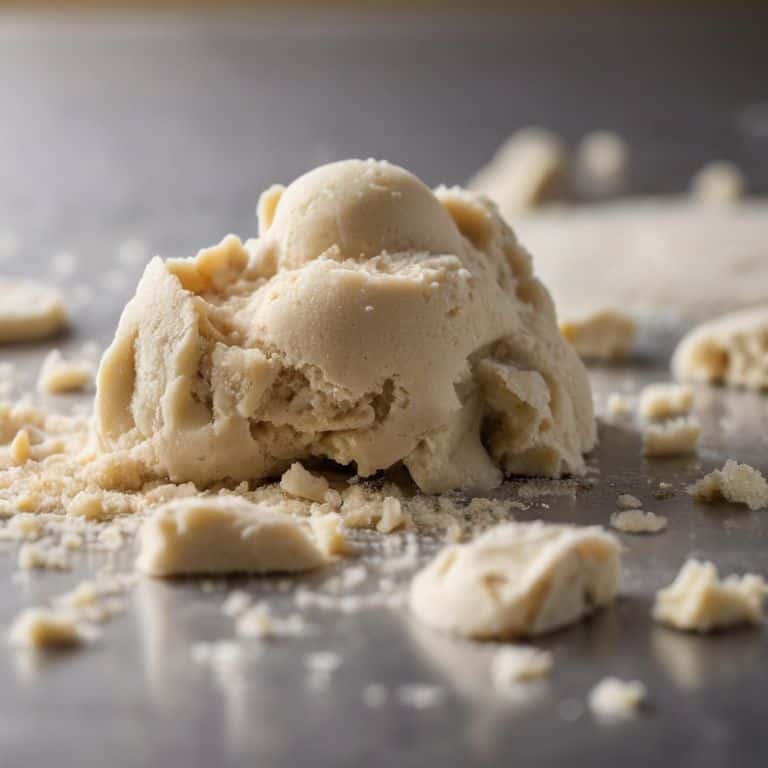
When it comes to achieving the perfect cookie, I always say that temperature control is key. You see, chilling your cookie dough is not just about tossing it in the fridge for a bit; it’s about creating an environment that allows the ingredients to meld together in harmony. By doing so, you’ll notice a significant difference in the texture of your cookies, making them chewier and more tender.
The science behind cookie spread is also an important factor to consider. When you chill your cookie dough, the butter solidifies, which helps the cookies to retain their shape and bake up with a better texture. This, in turn, affects the effects of chilling on cookie texture, resulting in a more even bake and a crisper exterior. It’s all about finding that perfect balance, and chilling your dough is a crucial step in achieving it.
In my experience, the optimal cookie dough chilling time can vary depending on the type of cookies you’re making. However, as a general rule, I like to chill my dough for at least 30 minutes to an hour before baking. This allows the flavors to mature and develop, making the cookies even more delicious. By incorporating this simple step into your baking routine, you’ll be rewarded with benefits of resting cookie dough that will take your cookie game to the next level.
Optimal Chill Time Revealed
When it comes to chilling your cookie dough, the optimal time can make all the difference. I’ve found that letting it rest for at least 24 hours allows the flavors to meld together and the dough to firm up, making it easier to work with. This extended chill time also helps to reduce spreading, resulting in a more consistent texture.
To get the best results, I recommend chilling the dough overnight. This allows the ingredients to fully hydrate and the gluten to relax, resulting in a tender and chewy cookie. By giving your dough this extra time to chill, you’ll be rewarded with a more complex flavor profile and a better texture.
Science of Perfect Spread
When I chill my cookie dough, I’ve noticed that the spread of the cookies is so much more even and consistent. It’s like magic, but it’s really just science. The butter in the dough firms up, which helps the cookies to retain their shape and bake up with a perfectly rounded edge.
As the dough chills, the flour also gets a chance to hydrate, which helps to create a more tender crumb and a crispy edge. This combination of a firm butter and hydrated flour is what gives chilled cookie dough its unique texture and structure.
Chill Out: 5 Essential Tips for Perfecting Your Cookie Dough
- Let your ingredients get cozy: make sure your butter and eggs are at room temperature before mixing, but then chill that dough like you mean it
- Don’t overmix, darling: mix your wet and dry ingredients separately and gently fold them together to avoid developing that pesky gluten
- Give it a rest: let your dough chill for at least 24 hours to allow the flavors to meld and the flour to hydrate – trust me, it’s worth the wait
- Scoop like a pro: use a cookie scoop or spoon to portion out your dough, and then chill the balls of dough for another 30 minutes to set the shape
- Bake with precision: keep an eye on your cookies as they bake, and take them out when they’re lightly golden – overbaking is the enemy of chewy, delicious cookies
My Top 3 Takeaways for Perfect Cookie Dough
I’ve learned that chilling my cookie dough is an absolute must for achieving that perfect balance of texture and flavor – it’s a total game-changer!
Letting my dough rest and chill allows the flour to fully hydrate, the butter to firm up, and the sugar to dissolve evenly, resulting in a more complex and delicious flavor profile
By experimenting with different chill times, I’ve found that the optimal time for me is between 24 to 48 hours – it gives the dough enough time to develop a deeper flavor and retain its shape beautifully when baked
The Chill Factor
Chilling your cookie dough is like giving your cookies a hug from the inside out – it’s a simple step that makes all the difference in texture, flavor, and love!
Sophie Carter
The Chill Factor: Unlocking Cookie Perfection
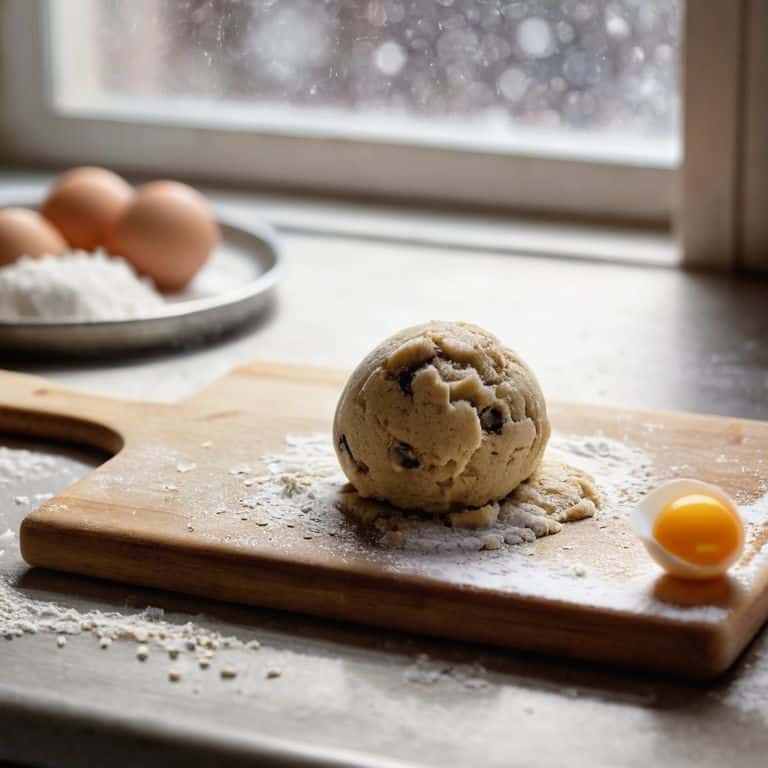
As we’ve explored the science of perfect spread and the magic that happens when you chill your cookie dough, it’s clear that this simple step can elevate your baking to new heights. From the benefits of resting dough to the optimal chill time, every detail matters when it comes to creating cookies that are truly unforgettable. Whether you’re a seasoned baker or just starting out, chilling your cookie dough is a game-changer that’s worth trying.
So, the next time you’re tempted to skip this crucial step, remember that the extra time and effort are worth it for the sake of cookie nirvana. As you take your first bite of a perfectly chilled and baked cookie, you’ll understand why this simple trick is a secret worth sharing. With every chewy bite and crumbly texture, you’ll be hooked on the chill factor and never go back to room temperature dough again.
Frequently Asked Questions
Will chilling my cookie dough affect the flavor of my cookies?
Honestly, chilling your cookie dough can actually enhance the flavor of your cookies! The resting time allows the ingredients to meld together, and the butter to solidify, which can result in a more complex and developed taste. Trust me, it’s worth the wait – your taste buds will thank you!
How long can I safely chill my cookie dough before it's too late to bake?
Don’t worry, I’ve got you covered! You can safely chill your cookie dough for up to 72 hours, but I find that 24-48 hours is the sweet spot – the flavors meld together beautifully and the dough is still easy to work with. Just be sure to store it in an airtight container in the fridge!
Can I chill my cookie dough in the freezer instead of the fridge for a quicker chill?
While you can chill cookie dough in the freezer, I wouldn’t recommend it for a quick fix – it can be tricky to avoid freezing the dough solid, which can affect texture. If you’re in a hurry, try dividing the dough into smaller portions to chill faster in the fridge, or use an ice bath to speed up the process.